
General Motors and Nissan Expand U.S. Production in Response to Trump Tariffs
Date: 05-apr-2025 | By: Nuztrend Team

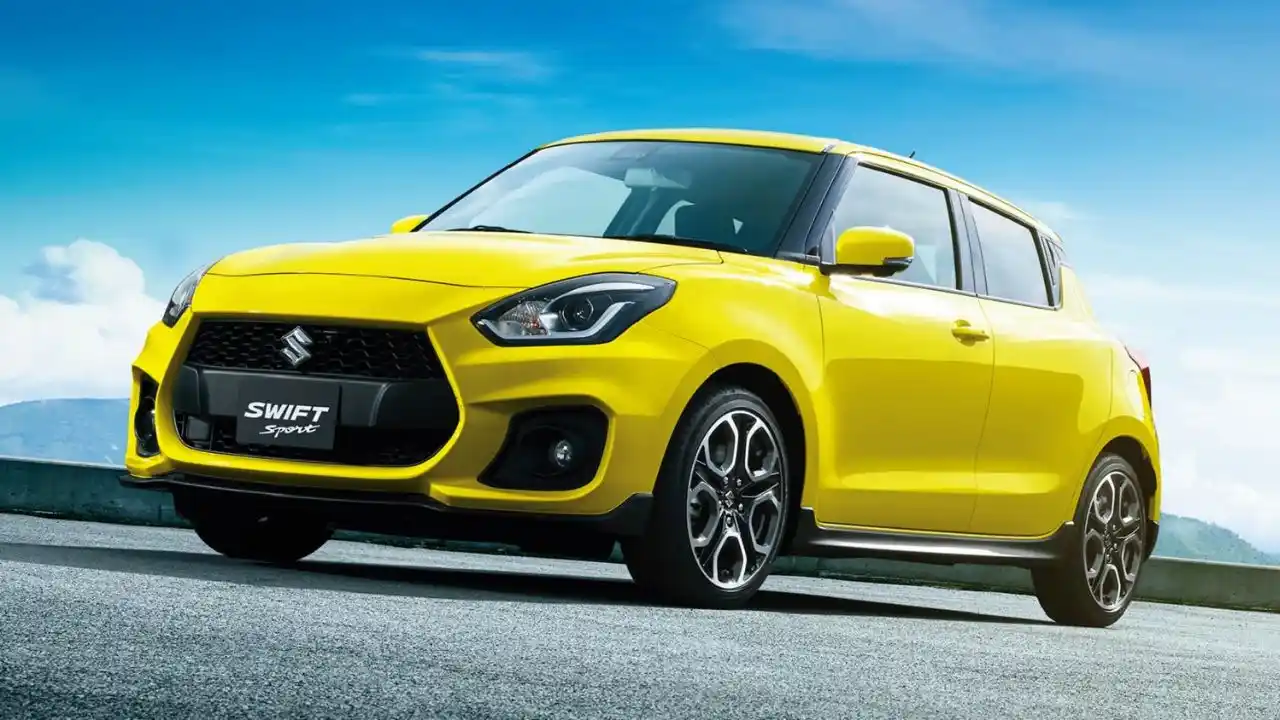
Disclaimer: The image is intended solely for illustrative purposes and may not represent the actual scenario.
In a direct response to newly imposed tariffs by the Trump administration, General Motors and Nissan have announced expanded production operations at their U.S. manufacturing facilities. The decision comes amid a broader industry pivot to domestic manufacturing as automakers brace for higher import costs.
General Motors Adds Jobs in Indiana
General Motors will increase output at its Fort Wayne, Indiana plant, which produces popular truck models like the Chevrolet Silverado and GMC Sierra. The move is expected to create 225 to 250 new jobs. GM officials cited the tariff hikes as a primary factor in their shift to reinforce U.S.-based production capacity.
Nissan Adjusts U.S. Strategy
Nissan confirmed it will maintain two full shifts at its Smyrna, Tennessee facility, ensuring continued domestic output. This strategic decision helps the automaker avoid import taxes on vehicles and parts produced in Japan and Mexico. Nissan executives emphasized the importance of adapting to evolving trade dynamics while maintaining competitive pricing.
Stellantis Reacts with Mixed Measures
Stellantis, another major player in the U.S. auto market, temporarily shut down operations at certain facilities in Mexico and Canada. However, the company reassured that no layoffs are planned at its Mexican plants. In the U.S., around 900 workers in Michigan and Indiana are being reassigned or rescheduled, and the company is expected to offer aggressive discounts on key models to counter market volatility.
Also Read

Industry Faces Rising Costs
The Trump administration’s 25% tariff on imported vehicles and auto components is already having a ripple effect. Industry analysts predict a potential rise in consumer vehicle prices and longer wait times for select models. U.S. automakers are now reviewing supply chains to source more parts domestically or from tariff-exempt countries.
What This Means for Buyers
While the production boost may soften the impact on availability, consumers are likely to see price adjustments in coming months. Experts recommend considering early purchases to avoid expected price hikes, especially for imported models or vehicles with foreign-sourced parts.


💬 Leave a Comment
📝 Recent Comments
No comments yet! Be the first one to comment.
🔄 Read More

⬅ Previous: Maruti Suzuki to Hike Car Prices by Up to ₹62,000 From April 8, 2025
Date: 04-Apr-2025
Maruti Suzuki will increase prices across its entire lineup by up to ₹62,000 starting April 8, 2025. The hike comes in response to rising input costs and operational pressures.

Next: Jaguar Land Rover Halts U.S. Shipments Amid New Tariff Pressures ➡
Date: 06-Apr-2025
Jaguar Land Rover suspends vehicle shipments from the UK to the U.S. following steep import tariffs, marking a major shift in its global trade strategy.