
Wed. 25 Mar 2026
☁️ 13°C in Columbus
Date: 10-apr-2025 | By: Nuztrend Team

The European Union has formally approved retaliatory tariffs on approximately €21 billion ($23 billion) worth of U.S. goods, escalating trade tensions just days after a similar move by China. The decision, backed unanimously by all 27 EU member states on April 9, 2025, comes in direct response to President Donald Trump's reimplementation of tariffs on European steel and aluminum exports.
These newly approved tariffs are broad and strategic, covering an array of U.S. exports that are both economically and politically sensitive. The EU's retaliation includes levies on:
The aim is not just economic pushback, but also political pressure—targeting industries with strong ties to U.S. swing states ahead of the upcoming presidential election season.
The EU plans to roll out the tariffs in three key phases:
This phased approach gives room for ongoing negotiations, while signaling firmness in defending European trade interests.
Despite the aggressive tone of the measures, the EU has left the door open for diplomatic resolution. A spokesperson for the European Commission noted:
“We remain committed to a fair and balanced trading relationship with the United States. These measures are reversible if the U.S. lifts its unlawful duties and engages in constructive dialogue.”
These developments come hot on the heels of China's announcement of tariff hikes on U.S. goods—raising their import taxes to 84% in some sectors. Economists warn this could trigger a broader global trade conflict, with emerging markets and small manufacturers facing the worst fallout.
Financial markets have already shown signs of stress. The Dow Jones fell over 500 points in pre-market trading, while the European STOXX 600 index dropped nearly 4%. Major exporters and multinational brands are now reassessing supply chain strategies amid the uncertainty.
The World Trade Organization (WTO) has yet to make an official statement, but trade analysts believe this may spiral into a formal dispute unless mediation efforts are launched swiftly.
Retail prices for U.S. goods in Europe—including food, motorcycles, and household items—could rise. European manufacturers also fear counter-retaliation, especially those who export luxury cars and machinery to the U.S.


No comments yet! Be the first one to comment.
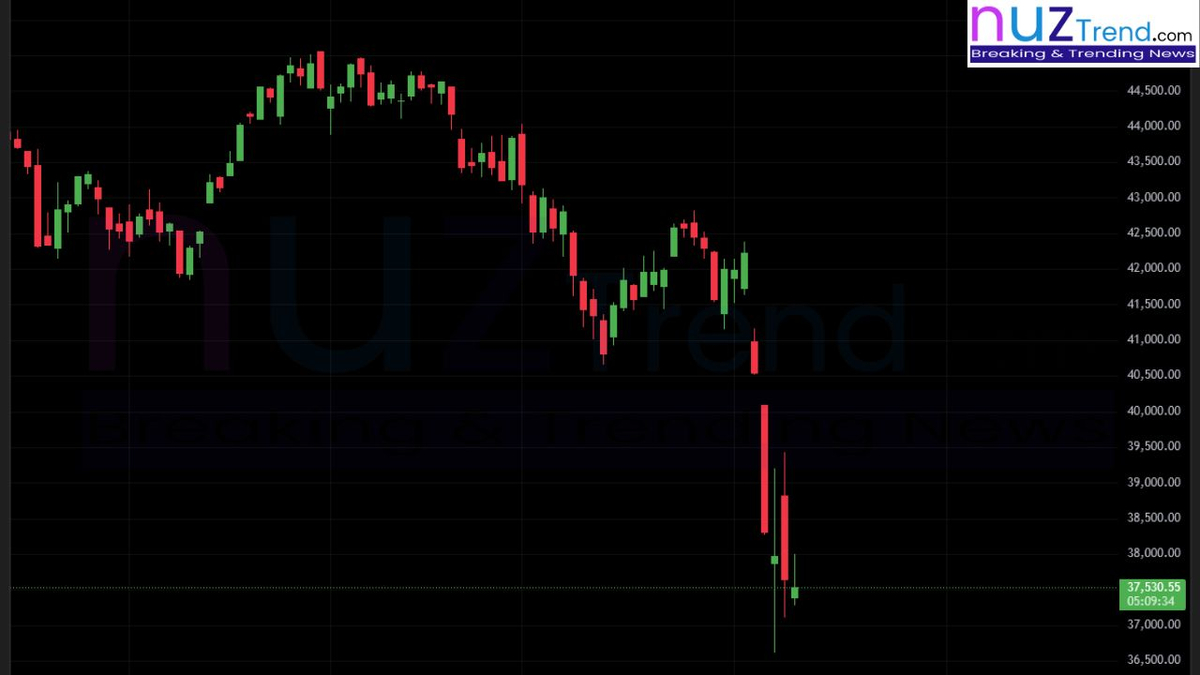
Date: 09-Apr-2025
US stock market trades volatile on April 9, 2025, as Dow Jones remains under pressure due to rising US-China trade tensions and renewed tariff fears.

Date: 10-Apr-2025
As tariff tensions escalate between the U.S., EU, and China, a prolonged trade war may significantly impact key industries like auto, tech, and agriculture by mid-2025.