
Thu. 26 Mar 2026
☁️ 19°C in Columbus
Date: 05-apr-2025 | By: Nuztrend Team

Federal Reserve Chair Jerome Powell issued a cautionary statement on April 5, 2025, addressing the economic consequences of the Biden administration’s new tariff policy. Speaking at a press briefing, Powell said the newly implemented duties—ranging from 10% to 34% on imports from key trading partners including China and the European Union—could have an adverse effect on inflation and GDP growth.
“These are significant developments,” Powell stated. “Tariffs at this scale are likely to increase the cost of goods for U.S. consumers and businesses alike, thereby fueling inflationary pressures and potentially slowing down economic activity.”

The Federal Reserve, which had previously been signaling a steady rate policy through the summer, may now reconsider its stance. Powell noted that the Fed is prepared to "act as appropriate" to maintain economic stability. Analysts interpret this to mean that the central bank could pause any further interest rate hikes—or even cut rates—if trade tensions continue to escalate.

Multiple industries are expected to be affected by the tariff hikes, especially sectors that rely on imported components and raw materials. Already, companies in manufacturing, technology, and consumer goods are warning of potential price increases. If passed on to consumers, this could accelerate inflation beyond the Fed’s target of 2%.

For everyday consumers, Powell’s warning translates to more expensive products, slower wage growth, and cautious lending from financial institutions. It could also impact mortgage rates and job creation in vulnerable sectors.

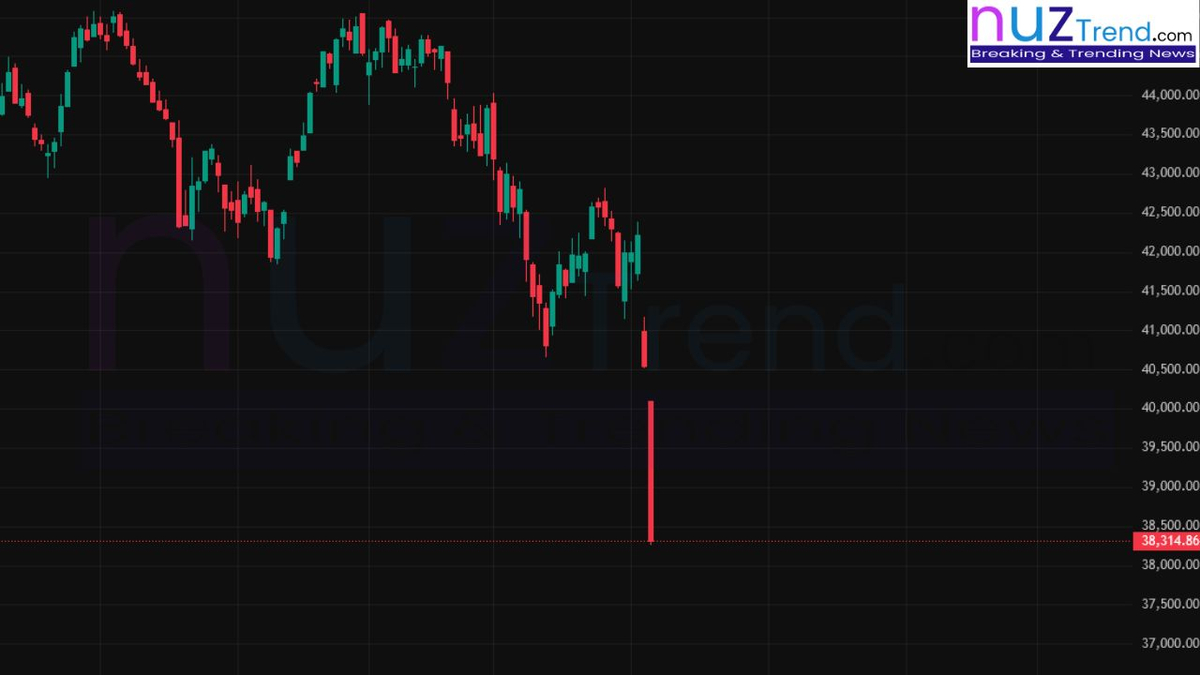
Following Powell’s comments, U.S. stock markets showed further volatility. The Dow Jones fell over 2,200 points on Friday, and the CBOE Volatility Index (VIX) surged to its highest level since 2020. Investors are watching closely for upcoming Fed minutes and any potential emergency policy interventions.
As the U.S. government holds firm on its protectionist approach, Powell emphasized the need for “data-driven decisions” going forward. “We are not reacting to headlines, but to measurable shifts in the economy,” he concluded.
The coming weeks will be crucial in determining whether these economic headwinds become lasting structural challenges or short-term disruptions in a resilient U.S. economy.


No comments yet! Be the first one to comment.
Date: 04-Apr-2025
The Dow Jones Industrial Average dropped over 2,200 points on April 4, 2025 — one of the sharpest single-day losses in history. The plunge follows a new round of aggressive tariffs between the U.S. and China, rattling investor confidence and sending markets tumbling globally.

Date: 05-Apr-2025
Sweden considers the latest U.S. tariff announcement as an opening for trade talks. The government plans to pursue negotiations to reduce tariff impacts and promote economic cooperation.