Wed. 25 Mar 2026
☁️ 5°C in Columbus
Date: 16-apr-2025 | By: Nuztrend Team
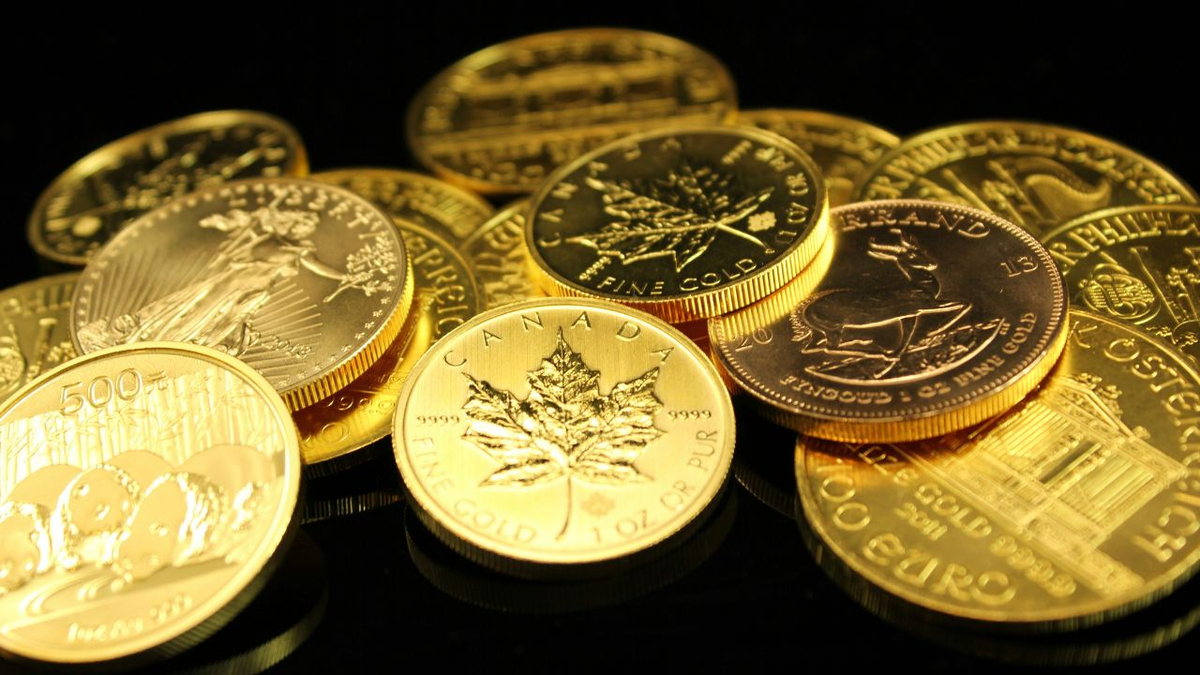
Photo by Zlaťáky.cz on Unsplash
Gold prices surged past $3,300 per ounce for the first time in history this week, as investors reacted to growing global uncertainty. Escalating U.S.-China trade tensions, falling tech stocks, and inflation fears are driving increased demand for safe-haven assets like gold.
The rally in gold comes amid worsening relations between the United States and China. Recent U.S. export restrictions targeting Chinese semiconductor buyers and China’s retaliatory suspension of Boeing aircraft deliveries have rattled global markets.
“When uncertainty is this high, investors naturally flock to hard assets,” said Rachel Cheng, a commodities analyst at Global Metals Insight. “And right now, nothing feels safer than gold.”
Gold futures rose by nearly 4.5% in just two days, signaling a strong shift in sentiment. Meanwhile, the stock market saw sharp declines in tech and industrial sectors, fueling further demand for gold-backed ETFs and bullion.
Analysts believe the rally may not be over. Some projections suggest gold could climb toward the $3,500 mark if trade hostilities continue and central banks pause rate cuts due to persistent inflation.
In addition to retail investors, central banks — especially in Asia and the Middle East — are quietly ramping up their gold reserves. This trend has been growing over the past two years and is now accelerating due to uncertainty in fiat markets.
With rising geopolitical friction and unpredictable monetary policy moves, the price of gold is likely to remain elevated for the foreseeable future. While it may not replace equities in long-term portfolios, gold is once again proving its strength in times of global crisis.


No comments yet! Be the first one to comment.
Date: 16-Apr-2025
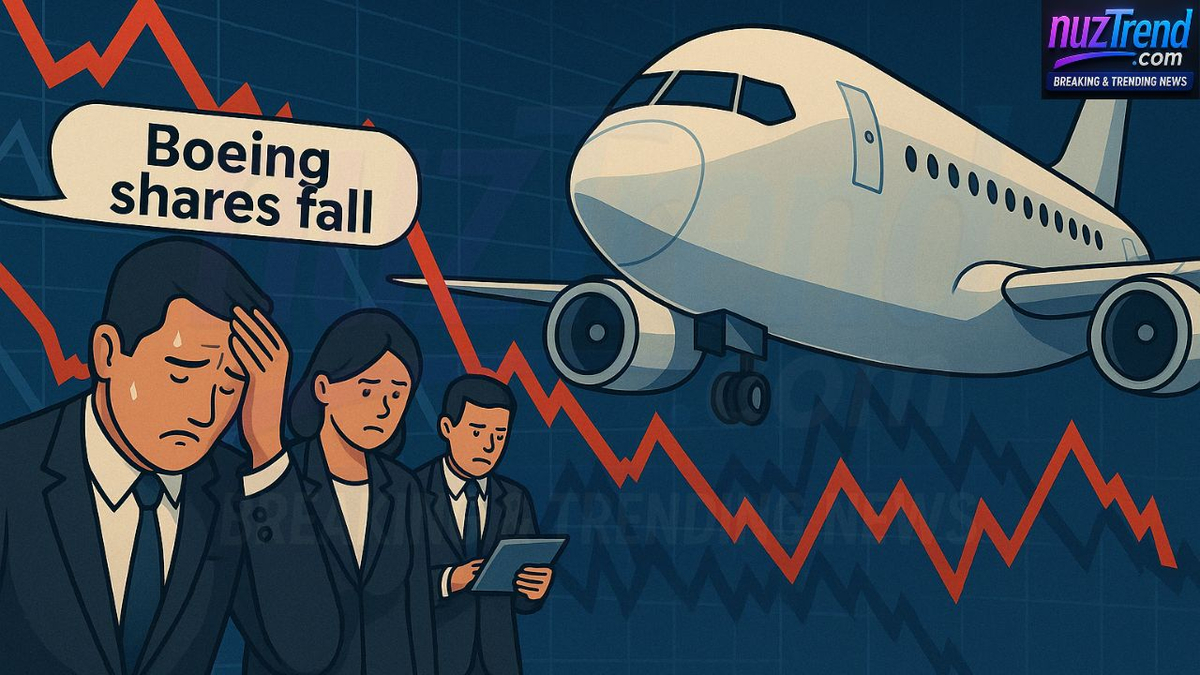
Boeing’s stock drops following China’s suspension of aircraft deliveries in response to escalating U.S.-China trade tensions.

Date: 16-Apr-2025
The WTO slashes its 2025 trade growth forecast, warning that U.S. tariffs under President Trump could reverse global trade and spark economic decoupling.