Thu. 26 Mar 2026
☁️ 19°C in Columbus
Date: 03-apr-2025 | By: Nuztrend Team
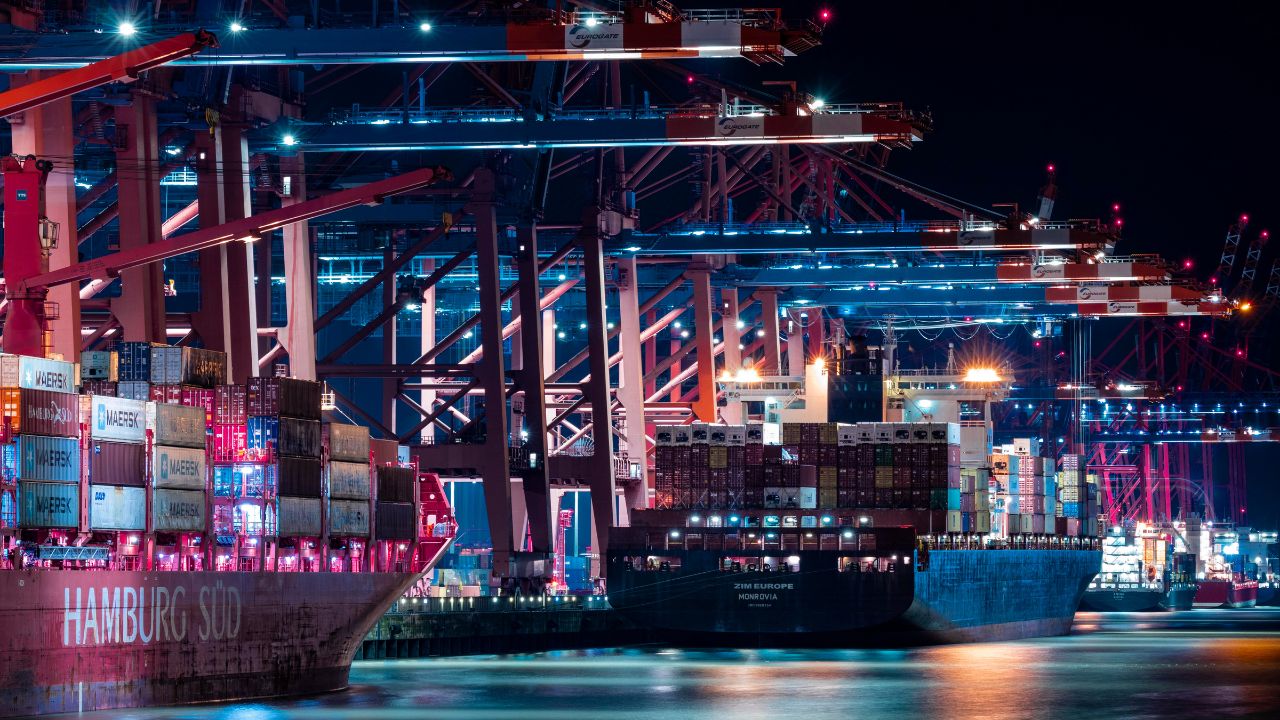
In a major shift in global trade policy, the United States has introduced a 26% reciprocal tariff on imports from India, creating uncertainty for key Indian industries. The move, part of a broader global tariff framework, aims to counter trade imbalances but is likely to have a significant impact on India’s outward trade.
The Indian gems and jewellery sector, a cornerstone of the country’s export economy, is particularly vulnerable. The U.S. has long been the largest destination for Indian gold, diamond, and polished gem exports. With the steep tariff increase, these luxury items are expected to become less competitive in the American market, potentially leading to a sharp fall in orders and revenue.
Several agricultural exports, including basmati rice, buffalo meat, shrimp, and wheat, are also at risk. These products form a substantial portion of India’s food-related shipments to the U.S. With the new tariffs increasing landed costs, American buyers may look toward alternative suppliers offering lower prices, which could dent India’s export volume in this segment.
India's electronics and textile industries are preparing for reduced demand, as their products become more expensive for U.S. consumers. Items such as ready-made garments, cotton apparel, smartphone accessories, and consumer electronics are likely to face price resistance in the highly competitive American retail market.
On a positive note, the pharmaceutical and energy sectors appear to be insulated from the latest tariff list. This provides some relief to India’s export ecosystem, as both sectors have seen consistent growth and stable demand from the U.S. despite global disruptions.
The Indian government is reportedly working on countermeasures to protect its exporters. Options under consideration include reducing tariffs on select U.S. goods, offering subsidies to affected sectors, and seeking renegotiation through bilateral dialogue. Trade analysts believe these steps are necessary to prevent a long-term export slowdown.
While the full impact of the tariffs will become clear in the coming months, early signs indicate that Indian exporters will need to adapt quickly—through price adjustments, market diversification, or operational restructuring—to remain competitive in the global market.


No comments yet! Be the first one to comment.

Date: 03-Apr-2025
India’s IT sector witnessed a 3.3% decline on April 3, 2025, due to reduced client spending in the U.S., as economic growth slows. Investor sentiment has been shaken across major tech firms.
Date: 04-Apr-2025
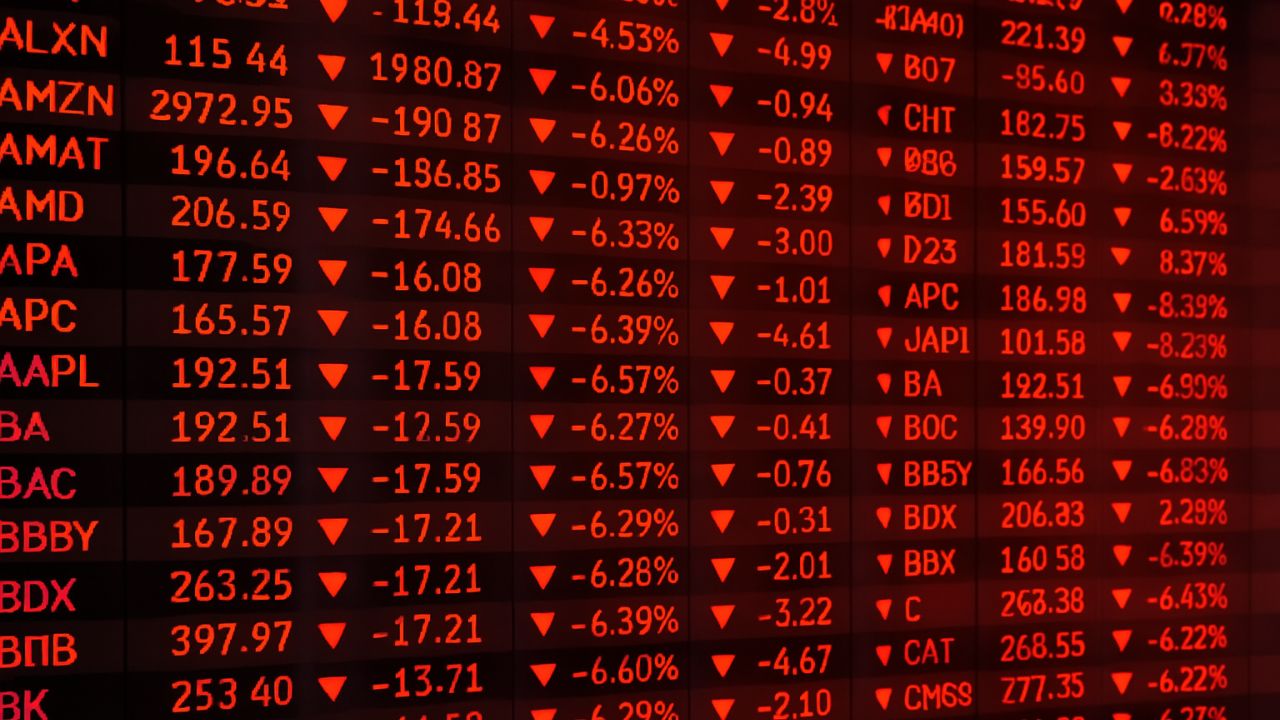
Dow Jones fell nearly 1,700 points after Trump announced sweeping import tariffs in April 2025. Investors fear recession, inflation, and stagflation risks. Learn how the market crash impacts tech stocks and the US economy.