
Mon. 23 Mar 2026
🌧️ 6°C in Columbus
Date: 25-apr-2025 | By: Nuztrend Team
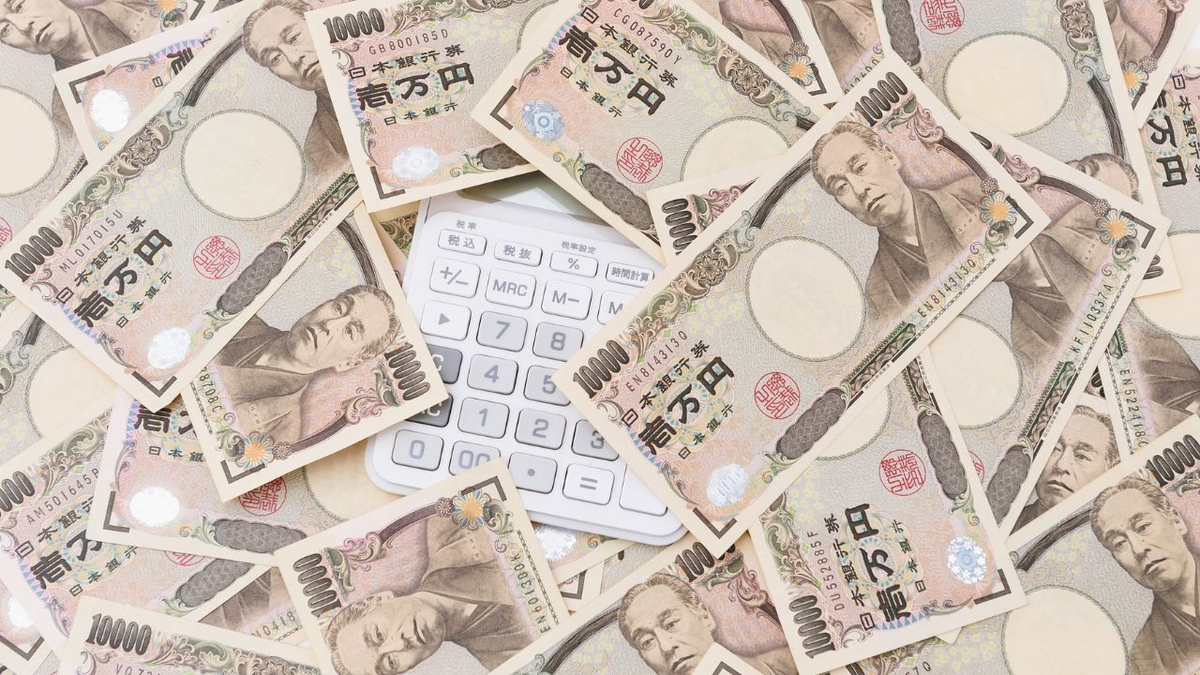
Facing growing pressure from newly imposed U.S. tariffs and rising consumer prices, the Japanese government has introduced a sweeping emergency economic package aimed at cushioning the impact on both households and key industries. The announcement comes just days ahead of a critical monetary policy meeting by the Bank of Japan.
Prime Minister Shigeru Ishiba announced that the government will offer direct subsidies to cut gasoline prices by 10 yen per liter, as well as provide partial electricity bill compensation over a three-month period starting in July. The decision is designed to provide immediate relief to working-class families and small businesses facing cost pressures from international trade tensions.
“We are committed to ensuring that Japanese households and industries are protected from global economic shocks,” said Ishiba. “Sectors like automobiles and steel—already under immense pressure—must not be left to weather this storm alone.”
Meanwhile, inflation data released this week revealed that core consumer prices in Tokyo (excluding fresh food) rose by 3.4% in April compared to a year earlier, the highest level in two years. The surge was primarily driven by increasing food prices and the gradual rollback of energy subsidies introduced during last year’s fuel crisis.
This spike in inflation comes just ahead of the Bank of Japan's monetary policy meeting scheduled for April 30 to May 1, where interest rates are expected to be held at 0.5%. Despite the uptick in prices, analysts believe the central bank will remain cautious in tightening policy, given fragile growth and external risks such as geopolitical tensions and export disruptions.
While the Japanese government’s economic response reflects a proactive stance, economists warn that long-term structural issues remain. “Targeted subsidies are helpful in the short run,” said a senior economist at Nomura Securities, “but inflation persistence combined with sluggish wage growth could strain household budgets well into 2026.”
As Japan navigates a complex web of external shocks and internal challenges, the next few months will be critical in shaping both fiscal and monetary responses to sustain economic stability without overheating inflationary pressures.


No comments yet! Be the first one to comment.
Date: 25-Apr-2025
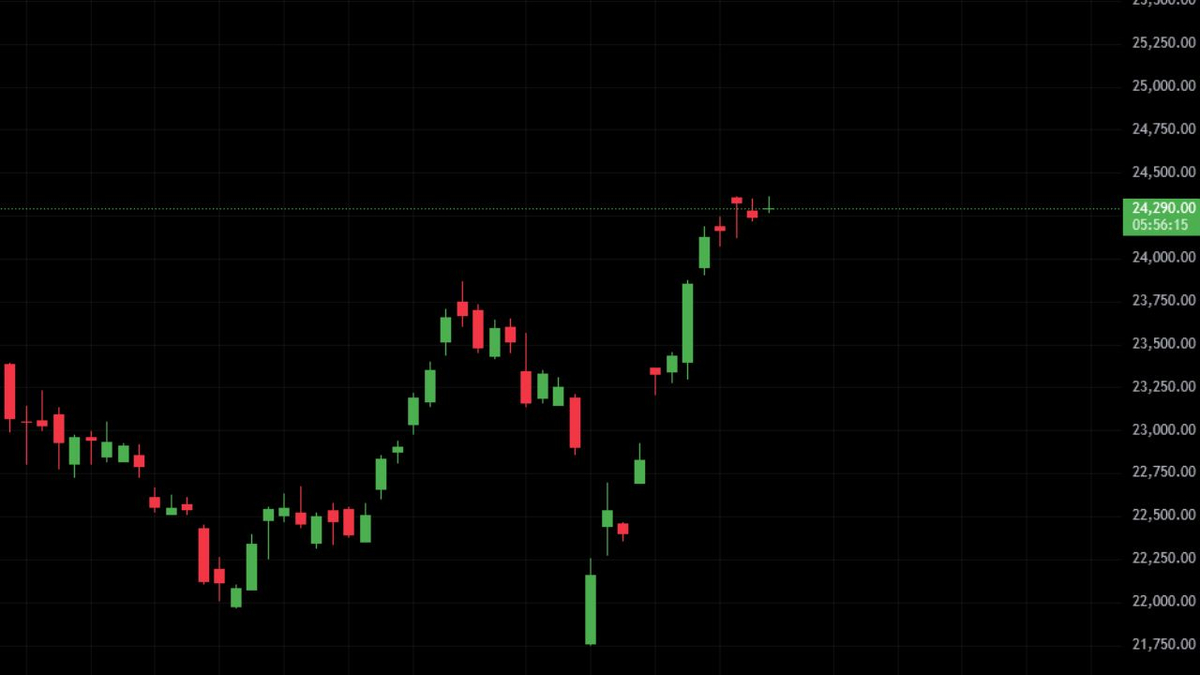
Indian stock markets opened higher on April 25, 2025, with Nifty holding above 24,280 as gains in Reliance and global cues support positive sentiment.

Date: 25-Apr-2025
Consumer prices in Tokyo rose 3.4% year-on-year in April 2025, driven by food cost hikes and reduced subsidies—just days before the Bank of Japan's policy meeting.