
Mon. 23 Mar 2026
☁️ 5°C in Columbus
Date: 23-apr-2025 | By: Nuztrend Team

Photo by Raymond T. on Unsplash
April 23, 2025 — As President Donald Trump escalates his administration’s tariff policies against China, the fallout is reverberating well beyond Beijing and Washington. Japan, one of Asia’s largest economies and a critical U.S. ally, now finds itself walking a diplomatic tightrope as it tries to avoid being collateral damage in the latest chapter of U.S.-China economic hostilities.
The International Monetary Fund has lowered Japan’s 2025 GDP growth forecast to just 0.6%, down from its earlier estimate of 1.2%. The IMF cited rising global trade instability triggered by new U.S. tariffs on Chinese goods as the main driver behind the revision. Japan’s export-driven economy is highly sensitive to such disruptions, especially in the technology and auto sectors.
Japanese officials are now engaged in quiet negotiations with the United States, hoping to secure exemptions for critical industries—particularly automotive manufacturing, which represents a major share of Japan’s trade surplus with the U.S.
According to sources familiar with the discussions, the Trump administration may allow a temporary grace period for Japanese auto exporters, giving them time to adjust supply chains and reduce dependence on Chinese components.
Simultaneously, Japan is working to strengthen regional alliances. Talks with China and South Korea have focused on building resilient supply networks, reducing reliance on any single nation, and coordinating responses to unpredictable U.S. trade moves. These trilateral discussions include topics such as export controls, rare earth materials, and semiconductor collaboration.
For Tokyo, the challenge lies in maintaining strong ties with both Washington and Beijing. While the U.S. remains Japan’s closest security ally, China is its largest trading partner. Prime Minister Fumio Kishida has emphasized the importance of “economic diplomacy,” warning that prolonged trade wars could have “severe and lasting impacts” on regional stability.
With no clear resolution in sight to the broader U.S.-China trade conflict, Japan may be forced to take a more active role in shaping an Asia-centric trade strategy. The upcoming G20 summit in Osaka will be a key platform for Tokyo to advocate for a multilateral approach to trade that avoids excessive polarization and economic fragmentation.
For now, Japan’s position remains precarious—caught between a global power play and its own need for economic resilience.


No comments yet! Be the first one to comment.

Date: 23-Apr-2025
Elon Musk will step back from the U.S. Department of Government Efficiency (DOGE) amid mounting pressure after Tesla reports a sharp profit plunge.
Date: 23-Apr-2025
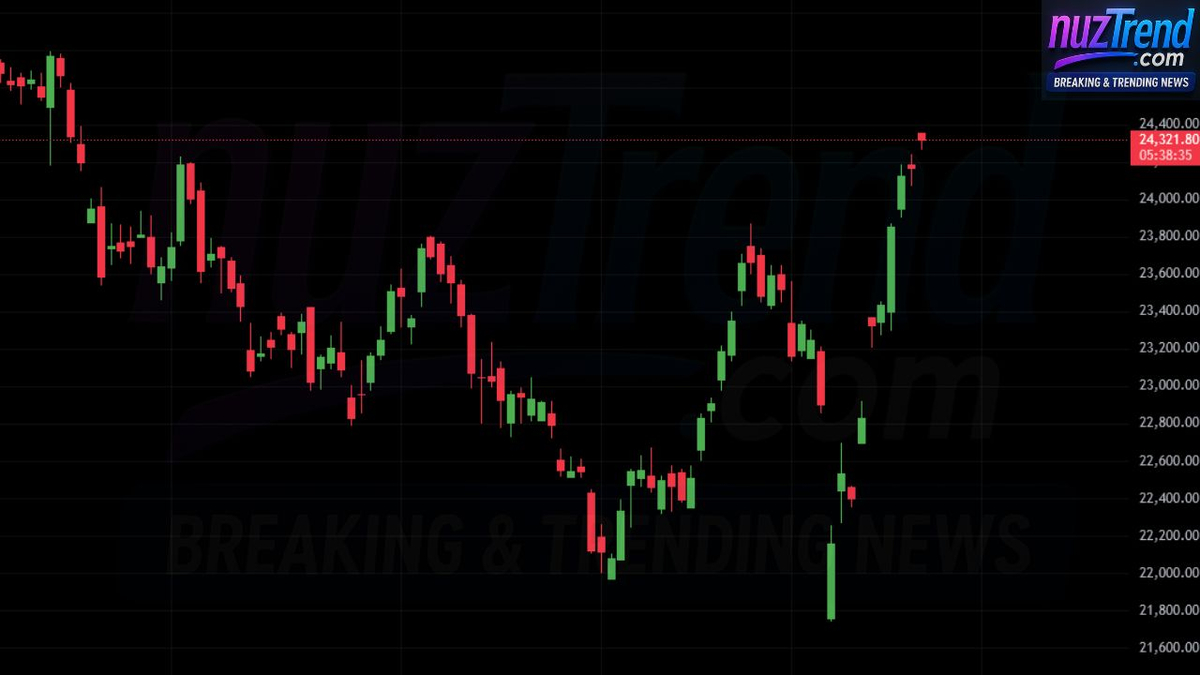
Indian stock markets rally as Sensex crosses 80,000 and Nifty approaches 24,350, driven by positive global cues and robust IT sector performance.