Mon. 23 Mar 2026
🌫️ 6°C in Columbus
Date: 31-may-2025 | By: Nuztrend Team
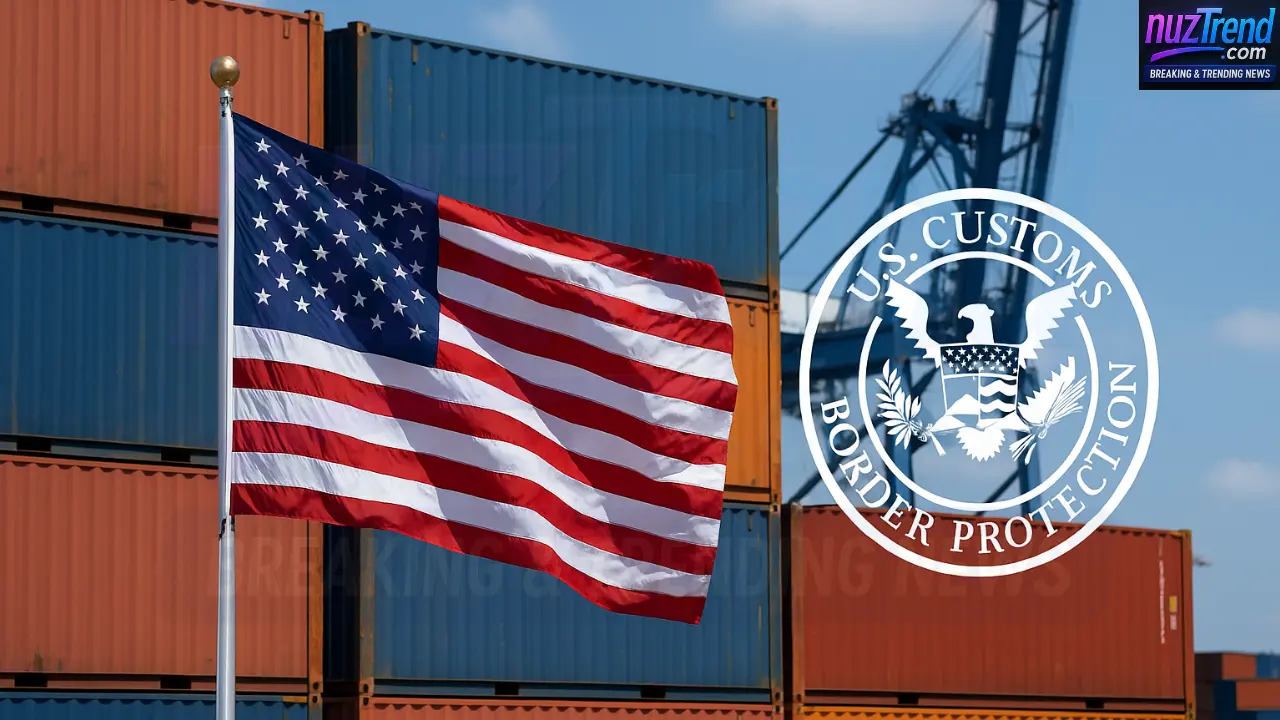
In a sweeping trade policy shift, President Donald Trump announced on Friday that the United States will increase tariffs on imported steel from 25% to 50%, effective June 4, 2025. The move marks one of the administration's most aggressive steps to protect domestic manufacturing since returning to office.
This announcement comes just days after Japan-based Nippon Steel Corporation confirmed its $14.9 billion acquisition of U.S. Steel, a deal Trump once strongly opposed but now endorses, calling it a “strategic alliance that benefits America’s long-term industrial interests.”
Trump had initially criticized the Nippon Steel deal, expressing concerns about foreign ownership of critical U.S. infrastructure. However, in recent remarks, he reversed course, stating that after “tough but productive” conversations with Japanese officials, the acquisition would “strengthen U.S. jobs, boost industrial capacity, and increase our steel independence.”
The tariff hike will apply broadly to all steel imports and is expected to reshape global supply chains. While it aims to curb low-cost imports from countries like China and Turkey, critics argue the sudden increase could cause price spikes for U.S. manufacturers who rely on foreign steel for automobiles, appliances, and infrastructure projects.
Nippon Steel’s investment signals a renewed phase of Japan-U.S. economic cooperation. The company pledged to keep the U.S. Steel brand intact and maintain union jobs across multiple American states.
According to The Guardian, this deal is the largest foreign investment in a U.S. steel company in over two decades. Trump framed the acquisition as “proof that America is open for business—but on our terms.”
While steel producers have largely welcomed the tariff announcement, some U.S. businesses and trade organizations fear it may spark retaliatory measures from trading partners or disrupt ongoing global trade talks.
The Trump administration maintains that the move is not isolationist but a recalibration of U.S. industrial policy in a competitive global economy. With the 2025 election cycle heating up, trade and economic sovereignty are expected to be key issues on the campaign trail.
For now, the White House insists that this is a “win for American workers”—but economists and trade analysts will be watching closely to see how markets and international stakeholders respond after June 4.


No comments yet! Be the first one to comment.

Date: 30-May-2025
For the first time in over three decades, Japan has lost its position as the world’s top creditor nation, with Germany overtaking it amid shifting global economic trends.

Date: 01-Jun-2025
As hustle culture fades, a new mindset is emerging: Gen Z increasingly expects millionaire lifestyles with minimal effort. Experts weigh in on what’s fueling this cultural shift.