Wed. 25 Mar 2026
☁️ 13°C in Columbus
Date: 11-apr-2025 | By: Nuztrend Team

The United Kingdom is facing the risk of permanent 10% tariffs on its exports to the United States unless it manages to finalize a favorable trade agreement with President Trump's administration. The situation has raised alarm within several UK industries, particularly the automotive and steel sectors, which are highly dependent on U.S. trade relations.
Industries such as car manufacturing, steel, and aerospace are expected to suffer the most if the new tariffs are imposed. Exporters fear that the increased costs could severely impact competitiveness in the U.S. market, leading to job losses and reduced production in the UK.
Prime Minister Keir Starmer has expressed optimism that a new trade agreement could be reached before the end of April 2025. However, talks with the U.S. have reportedly seen limited progress, with negotiators facing challenges on issues like regulatory alignment, agricultural standards, and digital trade.
Economic experts warn that failing to secure a trade deal could lead to increased inflation, higher consumer prices, and slower GDP growth in the UK. Businesses have already started preparing contingency plans to manage supply chain disruptions.
The UK government has accelerated negotiations with the U.S. in an effort to avoid the tariff imposition. Trade analysts believe that reaching an agreement will require both sides to compromise on key policy areas.
The prospect of permanent 10% tariffs on UK exports to the U.S. has put pressure on Prime Minister Starmer’s government to secure a trade deal swiftly. With key industries like automotive and steel hanging in the balance, the coming weeks will be critical for the future of UK-U.S. trade relations.


No comments yet! Be the first one to comment.
Date: 11-Apr-2025
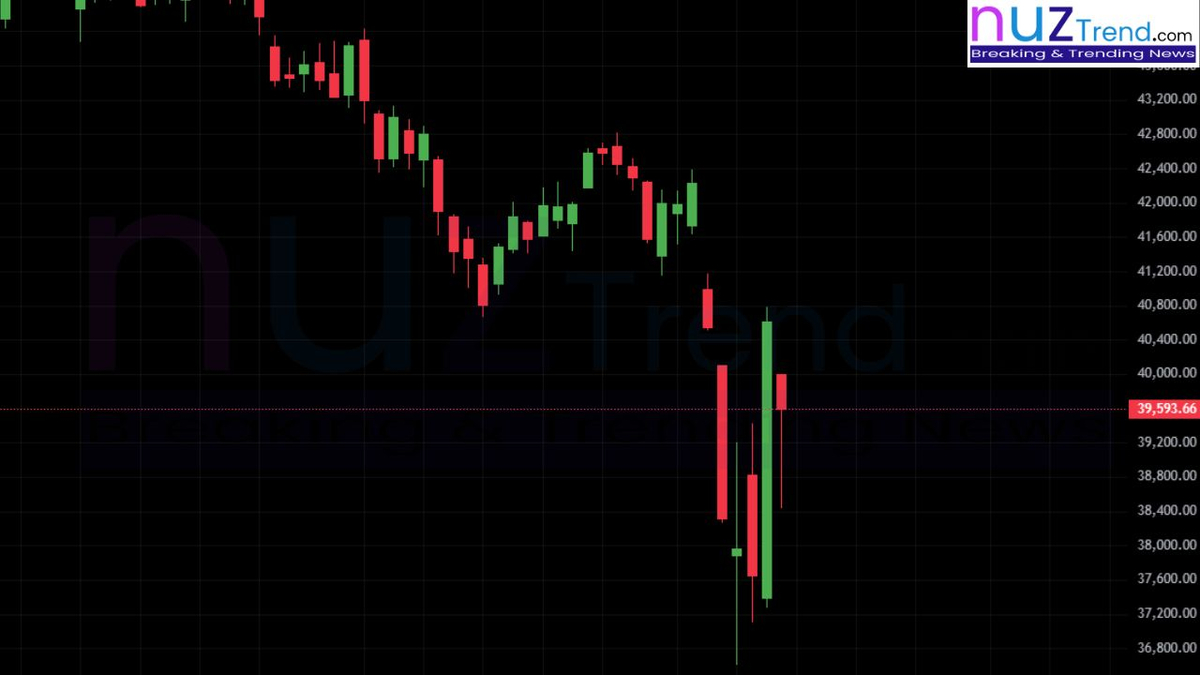
On April 10, 2025, U.S. stock markets experienced significant declines as escalating trade tensions between the U.S. and China unsettled investors.

Date: 11-Apr-2025
A Bank of Canada survey reveals 32% of Canadian firms anticipate a recession within the next year, while 66.5% of consumers express rising concerns over the economy.