
Sun. 22 Mar 2026
☁️ 12°C in Columbus
Date: 29-may-2025 | By: Nuztrend Team

The United States has enacted sweeping export restrictions targeting key sectors of China’s technology ambitions, halting the shipment of advanced semiconductor design tools and airplane components. The move signals a sharp escalation in the ongoing tech cold war between the world's two largest economies.
Announced on May 29, 2025, the restrictions focus on two critical fronts: aerospace technology, particularly exports related to jet engine manufacturing, and electronic design automation (EDA) software used in advanced semiconductor development.
The U.S. Department of Commerce has paused exports of specific technologies to China’s state-owned aerospace giant, COMAC (Commercial Aircraft Corporation of China), which produces the C919 narrow-body jet—China’s answer to Boeing’s 737 and Airbus’s A320.
At the heart of the suspension are American-made jet engine components and software necessary for the aircraft's development and international certification. U.S. officials cited national security concerns, and the action is widely seen as a response to China’s own curbs on exporting rare earth elements to the U.S.
Simultaneously, Washington has moved to choke China’s access to chip design tools by restricting U.S.-based EDA software giants—Cadence, Synopsys, and Siemens EDA—from selling to Chinese firms. These tools are essential for developing high-performance chips, especially those used in artificial intelligence and military-grade systems.
According to the Financial Times, EDA software comprises around 80% of the tools used by Chinese chipmakers. The ban effectively stalls China's efforts to advance its semiconductor independence amid ongoing sanctions on high-end chip manufacturing equipment.
This move comes as China ramps up domestic efforts to counteract U.S. chip sanctions, including massive state-backed investments in chip fabrication plants and talent acquisition across Asia and Europe.
The announcement has sent ripples through global markets, particularly affecting companies with exposure to Chinese aerospace and semiconductor industries. Shares of U.S. EDA firms dipped slightly in pre-market trading, while Chinese tech stocks saw steeper declines on regional exchanges.
Industry leaders warn of potential retaliation from China, including additional curbs on rare earth exports, which are vital for electronics, defense, and clean energy applications worldwide.
Analysts expect these export restrictions to deepen the U.S.-China technology divide, with both sides accelerating efforts to decouple strategically sensitive industries. The Biden and Trump campaigns have both expressed support for a tough stance on Chinese technology access heading into the 2025 election season.
In the short term, American firms may feel the pinch from lost business in China, while Chinese companies face mounting challenges in achieving self-reliance. The long-term outcome will likely reshape the global tech ecosystem for years to come.


No comments yet! Be the first one to comment.
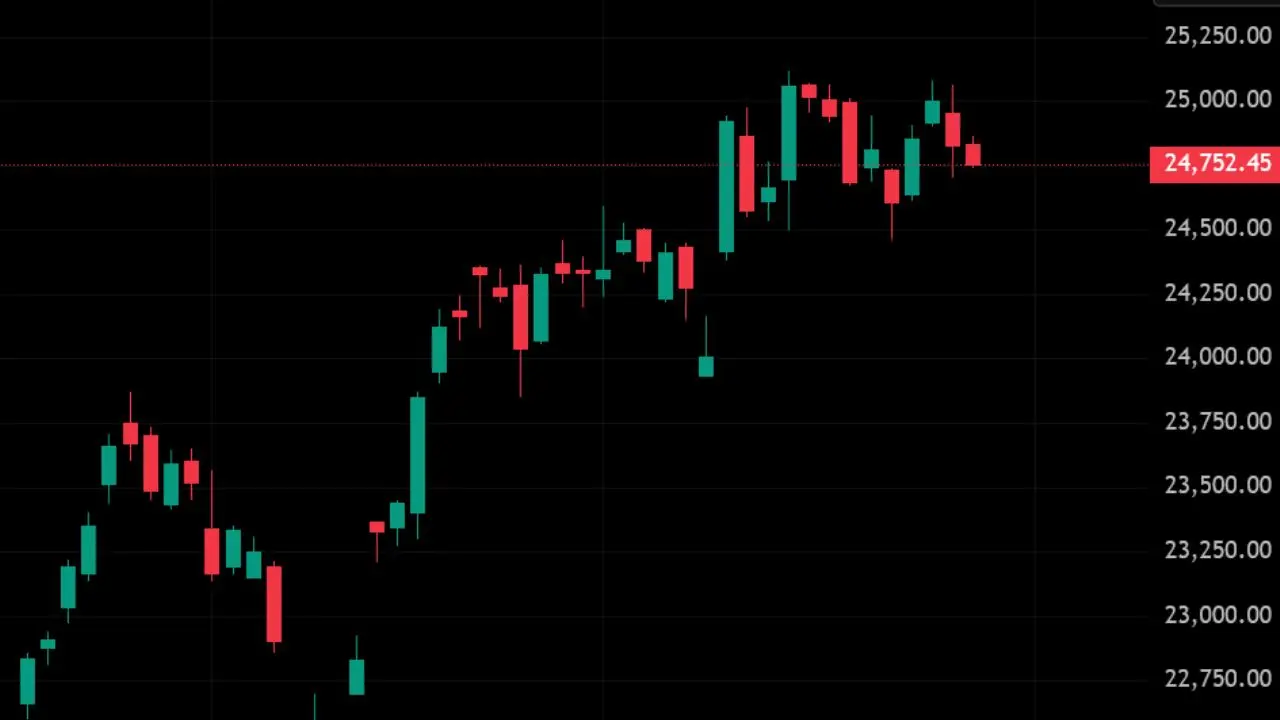
Date: 28-May-2025
Sensex dropped by 239 points and Nifty ended close to 24,750 amid selling pressure in ITC, IndusInd Bank, Ultratech Cement, and Nestle India, reflecting cautious investor sentiment in today’s market.
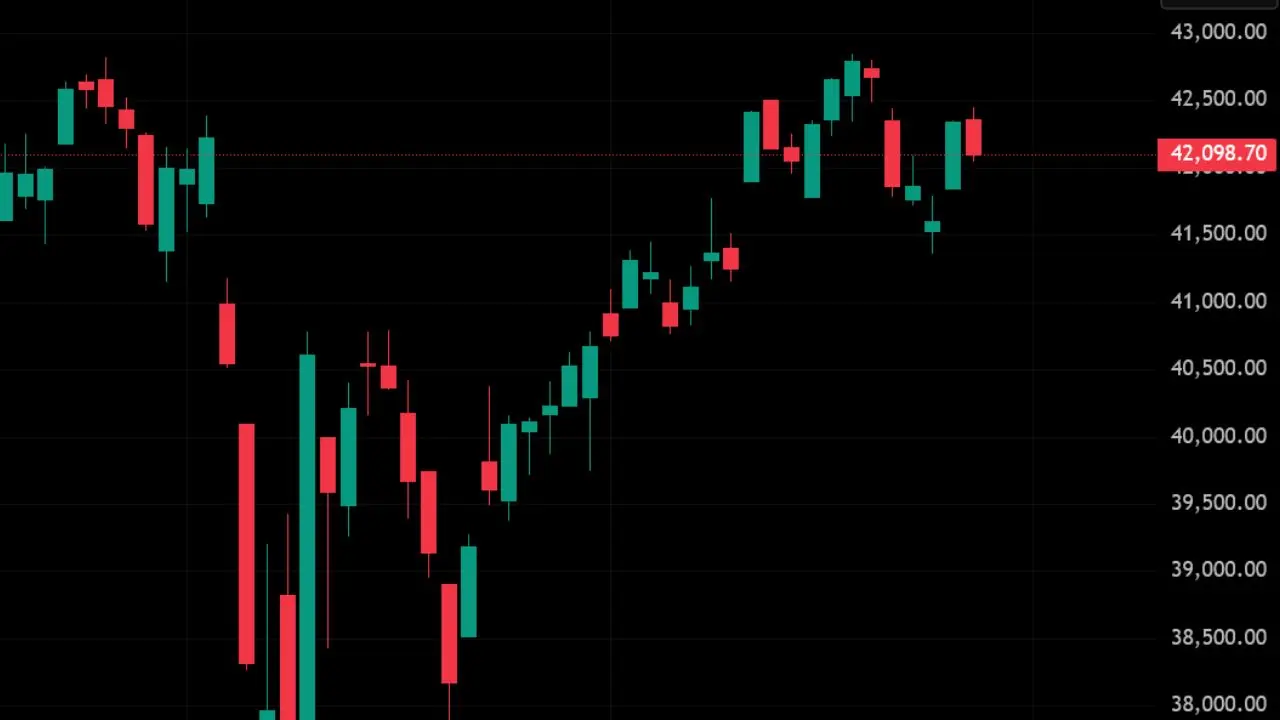
Date: 29-May-2025
The U.S. stock market closed lower as trade tensions and mixed corporate earnings influenced investor sentiment. Key indexes including the Dow, S&P 500, and Nasdaq faced declines amid cautious trading.