Mon. 23 Mar 2026
🌫️ 3°C in Columbus
Date: 22-apr-2025 | By: Nuztrend Team
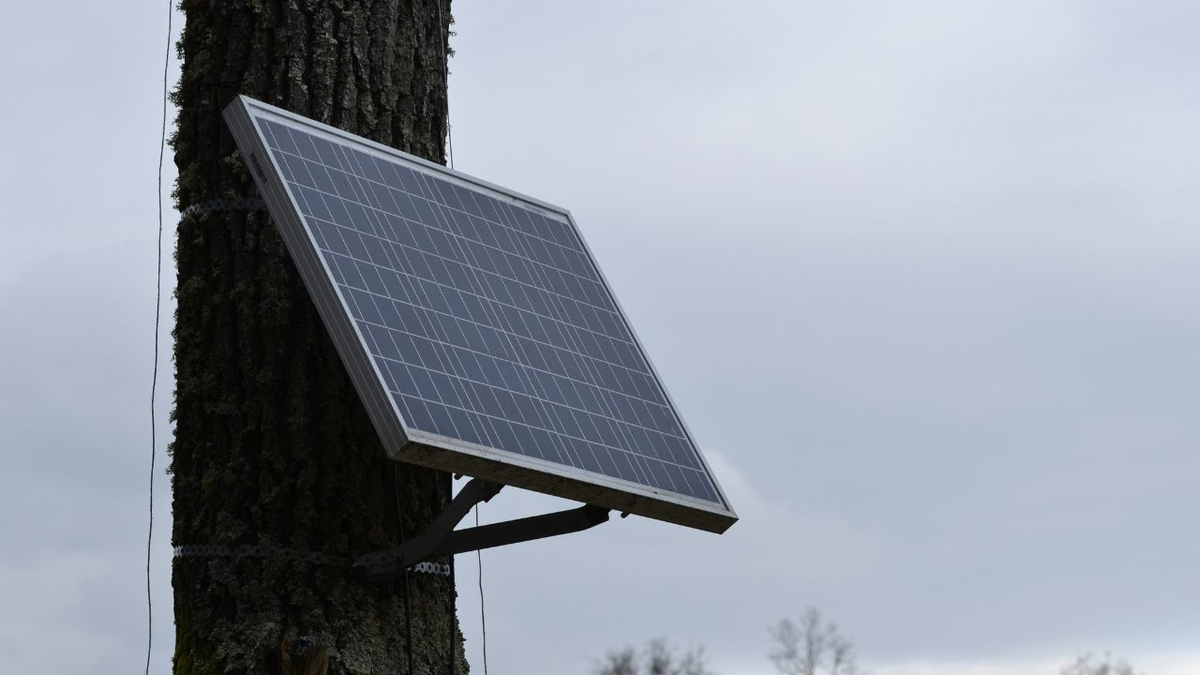
Photo by Csaba Gyulavári on Unsplash
In a move poised to reshape the global solar energy market, the U.S. Department of Commerce on April 21, 2025, announced sweeping new tariffs on solar panel imports from four Southeast Asian nations: Cambodia, Vietnam, Malaysia, and Thailand. The decision follows a lengthy investigation into allegations that Chinese firms were evading existing U.S. duties by shifting production through third-party countries in the region.
The Commerce Department concluded that several manufacturers in these countries were either dumping solar panels at below-market prices or benefiting from unfair subsidies—both of which undermine U.S. solar manufacturers. The new tariffs are meant to level the playing field and reduce America's dependency on foreign solar supply chains allegedly linked to China.
While the ruling is intended to bolster American solar panel manufacturers, it could also have the unintended consequence of driving up costs for solar developers and utility-scale projects in the short term. Currently, more than 75% of U.S. solar panel imports come from Southeast Asia, meaning these tariffs may strain domestic supply and increase prices.
Industry groups are split: domestic manufacturers applauded the move as a long-overdue correction, while solar installation companies warned of delays, higher project costs, and potential setbacks to the U.S.'s clean energy transition goals.
The affected Southeast Asian countries have yet to respond officially, but analysts expect diplomatic pushback and potential appeals through the World Trade Organization (WTO). The move may also encourage Chinese and Southeast Asian firms to further diversify manufacturing to avoid tariffs and sustain exports to key markets like the U.S. and Europe.
The Biden-Trump policy legacy on solar tariffs continues to evolve as the U.S. balances domestic manufacturing growth with its climate targets. With the Inflation Reduction Act already providing clean energy incentives, this tariff policy adds a layer of trade protectionism aimed at reshaping how—and where—the U.S. sources solar technology.


No comments yet! Be the first one to comment.
Date: 22-Apr-2025
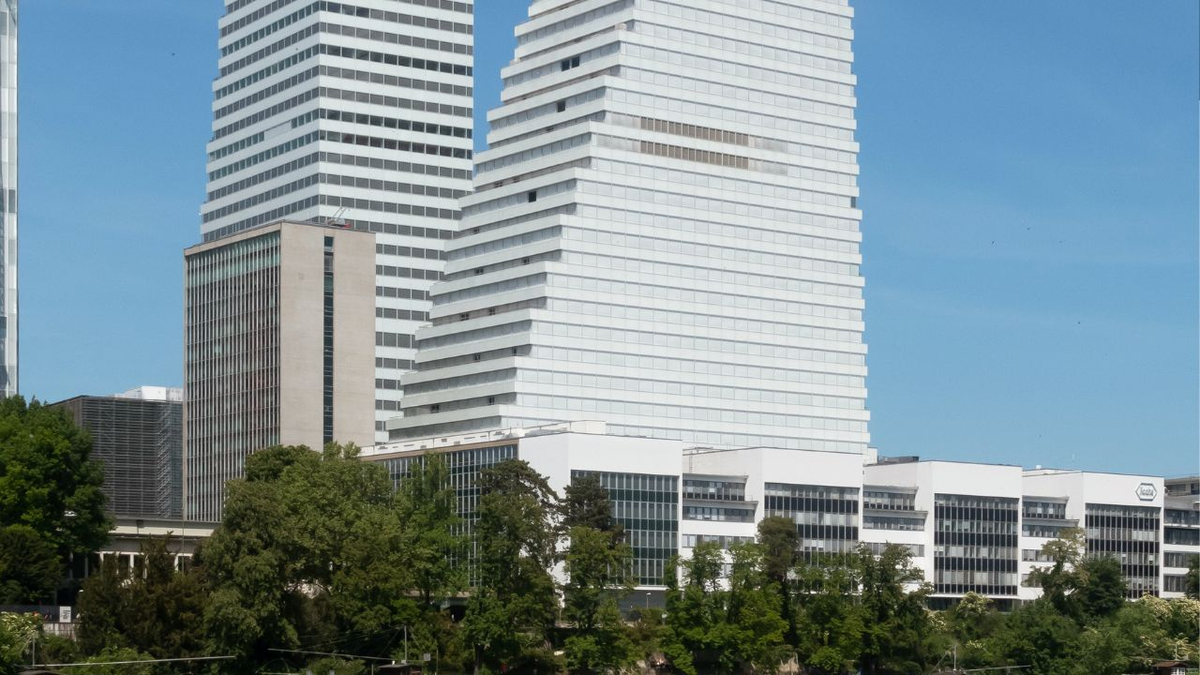
Swiss pharmaceutical leader Roche announces a $50 billion investment in U.S. operations, focusing on manufacturing and research expansion across multiple states.

Date: 22-Apr-2025
Gold surges past $3,500/oz for the first time as investors flee to safe-haven assets amid President Trump’s tariff policies and criticism of the Federal Reserve.