
Sun. 22 Feb 2026
☁️ -1°C in Columbus
Date: 16-may-2025 | By: Nuztrend Team

It happens like clockwork—every Monday morning, just after the alarm clocks buzz and the coffee brews, millions of people around the world type the same phrase into Google: "quit my job." In 2025, this isn’t just a passing frustration—it’s a digital SOS.
New analytics data reveals that the phrase "quit my job" consistently trends between 6:00 AM and 9:00 AM on Mondays across countries like the United States, UK, India, and Australia. But why is this happening—and what does it say about our collective relationship with work?
Psychologists have long studied the “Sunday Scaries”—a term coined for the anxiety many feel as the weekend fades and the workweek looms. In 2025, these feelings are amplified by:
“We’re in a global burnout crisis,” says Dr. Lena Morris, a workplace psychologist. “The Monday search spike is just the digital fingerprint of something deeper—disconnection, exhaustion, and misalignment.”
After the Great Resignation and the Quiet Quitting movement of the early 2020s, employees in 2025 have become more selective. Many are disengaged but still in their roles—waiting for the right moment to leap. That Monday morning search? It's not always acted on, but it’s a mental rehearsal.
Gen Z and younger Millennials are redefining success. A six-figure salary isn’t enough if it comes at the cost of peace, autonomy, or health. Mental wealth—defined as purpose, flexibility, and emotional well-being—is now a leading driver in career decisions.
Despite countless LinkedIn posts about “wellness” and “work-life balance,” many companies haven’t structurally changed how they treat employees. Long hours, toxic culture, and poor communication still push talent away.
According to Google Trends:
“These spikes are emotional thermometers,” explains tech analyst Rachel Kwan. “They measure dissatisfaction, but they also reflect hope. People want change. They’re actively seeking it.”
The Monday blues can be intense—but they’re also a signal worth listening to. Instead of reacting impulsively, take time to evaluate:
If you’ve been repeatedly searching “quit my job,” consider quiet planning—building your exit strategy calmly and smartly. Upskill, network, and test new paths before leaping.
Redesign your Monday mornings: start slower, prep your week on Sunday, and infuse the first few hours with something meaningful. This reframing can reduce dread and give you more control over the week’s emotional tone.
The Monday search spike is more than digital data. It's the voice of a workforce that's waking up—not just in the literal sense, but in the emotional and philosophical one too.
And if you’ve found yourself searching that phrase lately, maybe it's time to ask a better question: not “should I quit?”—but “what would truly fulfill me instead?”


No comments yet! Be the first one to comment.

Date: 15-May-2025
During his Middle East tour, U.S. President Donald Trump announced Qatar's $10 billion investment in the Al Udeid Air Base and highlighted $42 billion in Qatari defense purchases, marking a significant enhancement in U.S.-Qatar military cooperation.
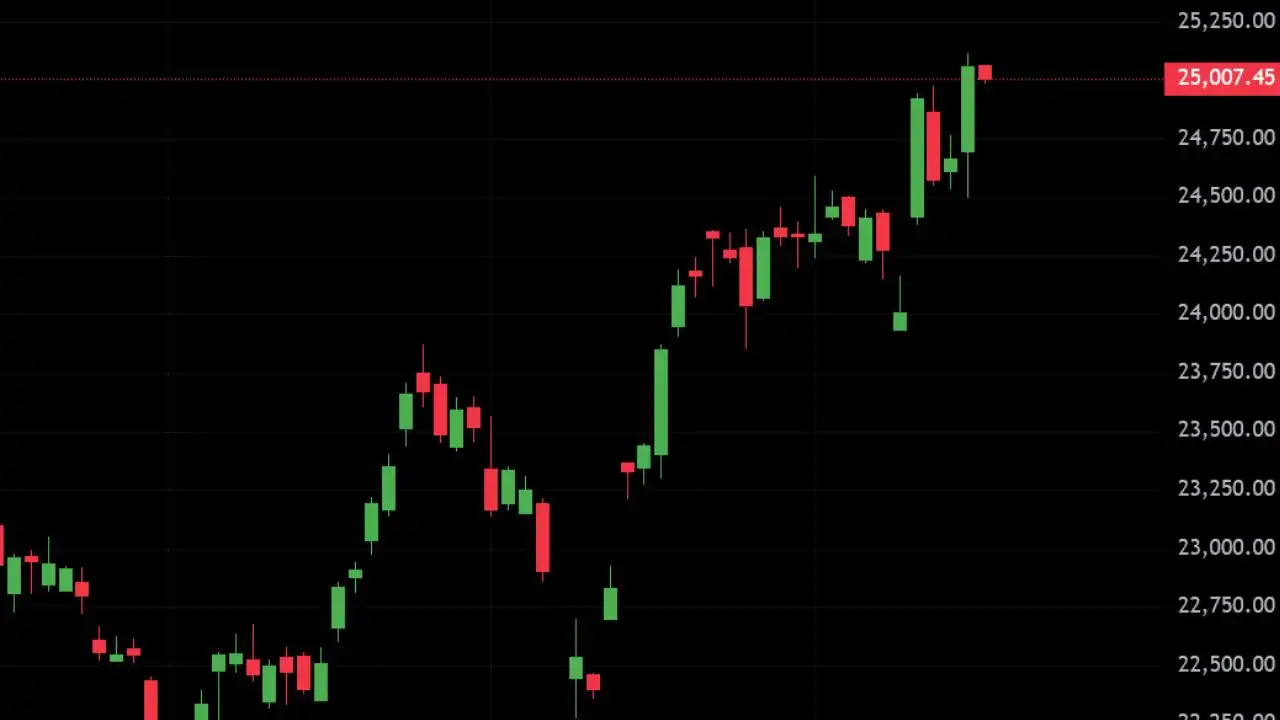
Date: 16-May-2025
Indian stock markets opened lower on May 16, 2025, with the Nifty50 dipping below 25,000 and the Sensex declining by over 200 points. Notably, Bharti Airtel and JSW Infrastructure experienced declines due to significant block deals.