
Sun. 22 Feb 2026
☁️ -1°C in Columbus
Date: 05-may-2025 | By: Nuztrend Team

In today’s fast-evolving world, technical knowledge and emotional intelligence alone aren’t enough for effective leadership. A growing number of experts argue that systemic intelligence—the ability to understand and navigate complex interdependencies in systems—is the leadership skill of the future. Whether you're managing a global team or scaling a startup, systemic thinking gives leaders the edge to anticipate ripple effects and drive sustainable decisions.
While systemic intelligence might sound abstract, it’s a skill you can actively build. Here are four research-backed and leadership-tested strategies to get started:
Train yourself to look beyond isolated tasks and departments. Ask how a decision in one area affects others—downstream, upstream, and across the organization. Tools like mind maps or causal loop diagrams can help visualize these dynamics.
Systemic intelligence thrives on diversity. Encourage input from different teams, cultures, and backgrounds to uncover unseen patterns and potential unintended consequences. What may seem efficient in one department could create bottlenecks elsewhere.
Start identifying positive and negative feedback loops in your daily operations. For example, a quick fix that boosts short-term gains might trigger long-term burnout. Understanding these loops can help you make more sustainable choices.
Systemic thinkers often take a step back before acting. Make time for “slow thinking” in strategic meetings. Ask probing questions like, “What happens next?” and “What don’t we see yet?” to avoid reactive leadership traps.
Systemic intelligence is what separates high-impact leaders from average ones in 2025. It's not just about solving problems—it's about recognizing how problems are created and how your actions shape the broader system. As workplaces grow more interconnected, the ability to lead with systems in mind is no longer optional—it's essential.


No comments yet! Be the first one to comment.

Date: 04-May-2025
Trade tensions and new U.S. tariffs are disrupting global supply chains, raising manufacturing costs, and stalling output across major industrial economies.
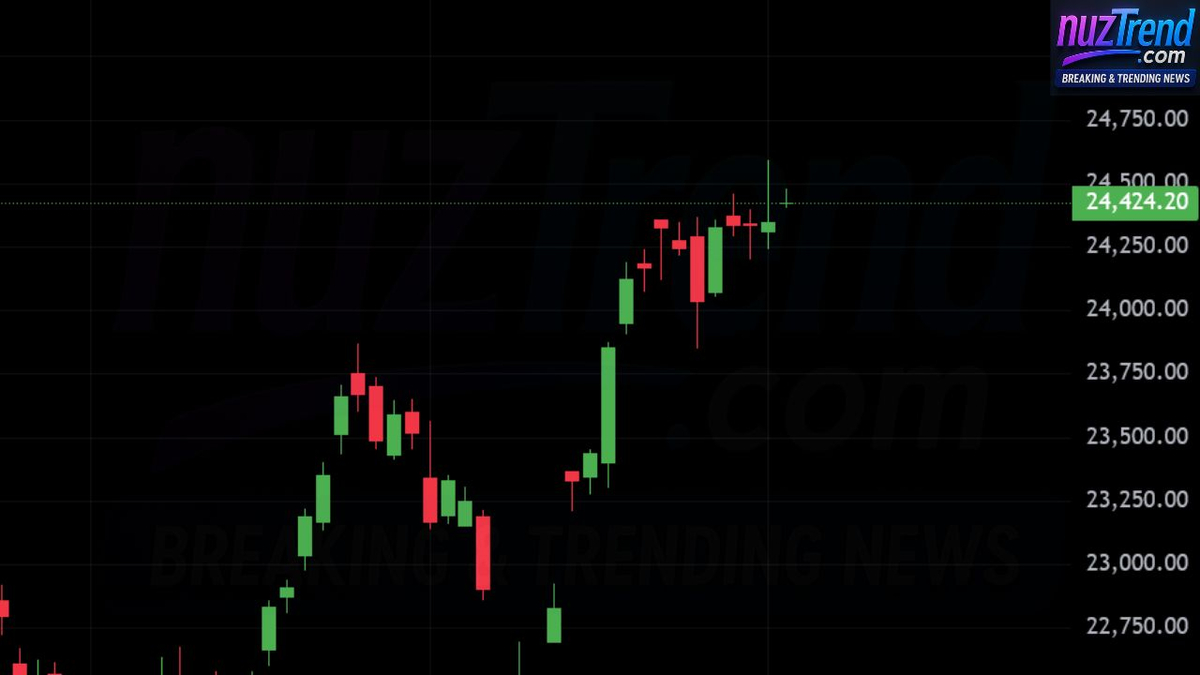
Date: 05-May-2025
Indian stock markets opened higher on May 5, 2025, with the Sensex rising over 280 points and the Nifty 50 crossing 24,400. Adani Ports and Tata Motors led the rally, while SBI and Kotak Bank dragged.