
14th-Century Stolen Buddhist Statue Returned to Japan After 12-Year Cultural Dispute
Date: 12-may-2025 | By: Nuztrend Team
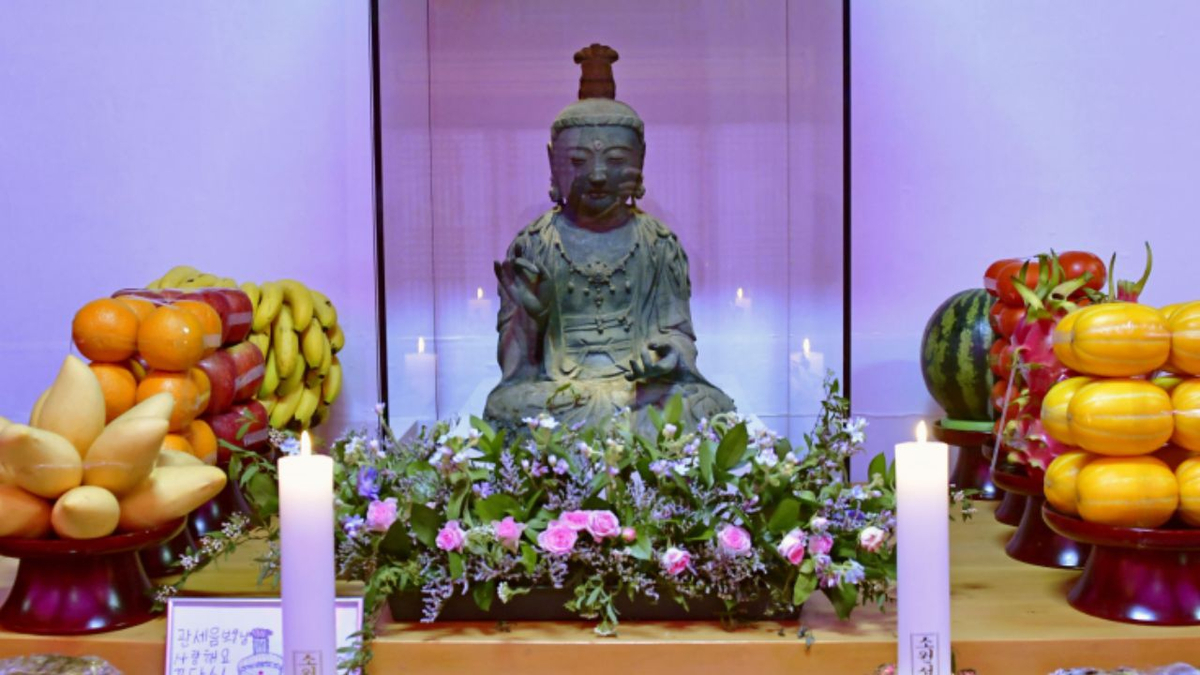
In a significant cultural and diplomatic milestone, a 14th-century Buddhist statue stolen from the Kannonji Temple in Tsushima, Nagasaki Prefecture, in 2012 has finally been returned to Japan from South Korea. The statue’s return ends a 12-year international dispute over its rightful ownership and marks a moment of reconciliation between the two East Asian nations.
History of the Dispute
The bronze statue of the Bodhisattva Kannon was one of two artifacts stolen by a group of South Korean nationals in 2012 and smuggled into South Korea. While one statue was returned shortly after recovery, the second became entangled in a prolonged legal battle after a South Korean temple claimed it had originally belonged to them before being taken to Japan centuries ago.
Court Battles and Resolution
The South Korean court initially ordered the statue to be retained, delaying its return amid ongoing ownership claims. However, after years of review, and appeals by the Japanese government and cultural preservation bodies, the court ruled in favor of Japan’s historical records and rightful ownership.
On May 12, 2025, Japanese officials formally received the statue back at a ceremony attended by cultural ministry representatives. The artifact will be reinstated at Kannonji Temple, where it held religious and historical significance for generations.
Also Read


Source Confirmation
According to Kyodo News, the return was made possible through sustained diplomatic negotiations and a renewed commitment by both countries to respect cultural property treaties.
Significance Beyond Borders
The return of the statue is not just a victory for Japan’s cultural heritage but also a meaningful gesture in East Asia’s efforts to foster mutual respect in handling historical grievances. It may set a precedent for resolving similar cross-border heritage disputes in the future.
Officials at Kannonji Temple expressed joy and gratitude, noting the statue’s return ahead of Buddha Purnima as symbolically powerful, representing restoration, healing, and spiritual continuity.


💬 Leave a Comment
📝 Recent Comments
No comments yet! Be the first one to comment.
🔄 Read More
⬅ Previous: Buddha Purnima 2025: Date, Significance, and Global Celebrations of Lord Buddha’s Legacy
Date: 12-May-2025
Buddha Purnima 2025 marks the 2587th birth anniversary of Gautama Buddha. Discover its spiritual importance, rituals, and how it is celebrated across the world.
Next: Trump’s Higher Education Policies Challenge U.S. Appeal to International Students ➡
Date: 12-May-2025
Donald Trump's latest moves on education reform are reshaping America's global academic image, raising concerns about declining interest from international students and long-term economic consequences.