
Canadian Wildfires Deteriorate Air Quality Across Great Lakes States in May 2025
Date: 31-may-2025 | By: Nuztrend Team
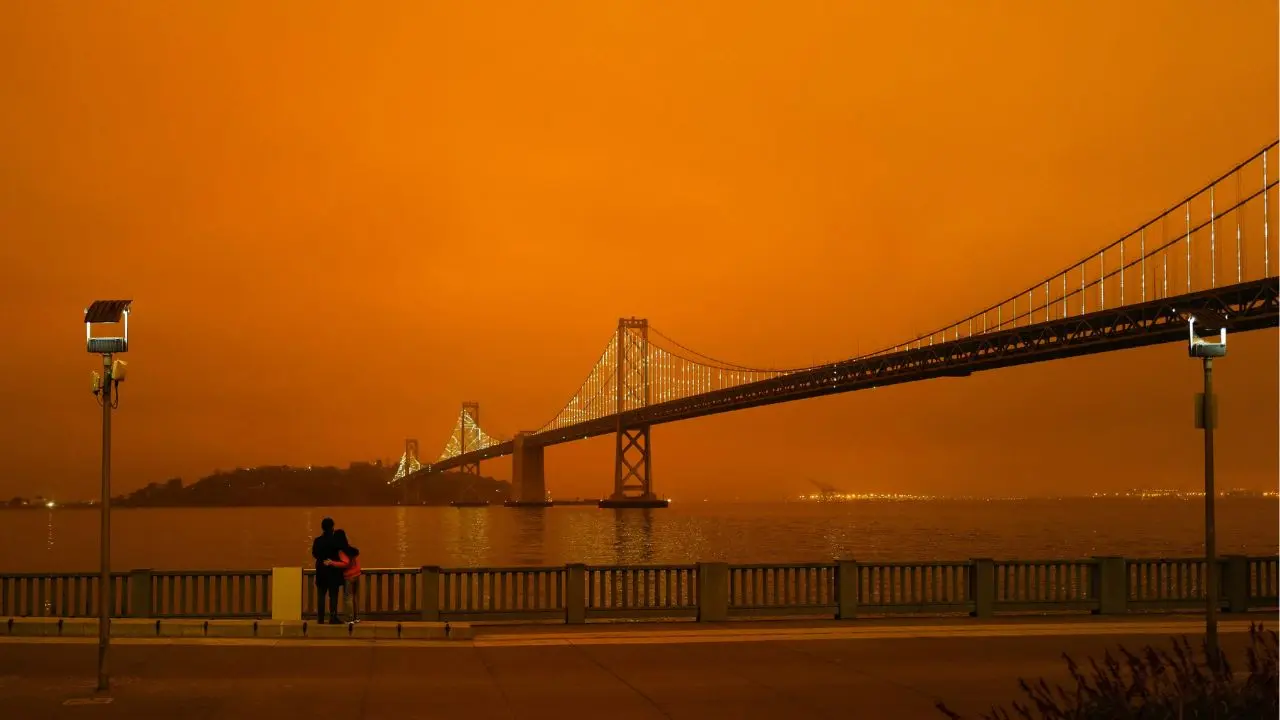
As record-breaking wildfires rage across several Canadian provinces, smoke and particulate matter are drifting into the United States, significantly impacting air quality in the Great Lakes region. From Michigan to New York, millions of Americans are being advised to stay indoors as air quality levels drop into hazardous territory.
Smoke Spreads From Canada to the U.S. Midwest and Northeast
Driven by strong northerly winds, the smoke from wildfires in Ontario, Quebec, and Alberta has traveled hundreds of miles, triggering air quality alerts in at least six U.S. states. The Environmental Protection Agency (EPA) reported that parts of Detroit, Chicago, Buffalo, and Cleveland are experiencing “unhealthy” to “very unhealthy” air quality levels as fine particulate matter (PM2.5) concentrations soar.
Areas Under Air Quality Warnings
- Michigan: High AQI levels reported in Detroit, Ann Arbor, and Grand Rapids.
- Illinois: Residents of Chicago experience haze and restricted outdoor air quality readings.
- New York: Northern and western cities like Buffalo and Rochester under health advisories.
- Ohio: Cleveland and Toledo hospitals see a rise in respiratory-related visits.
- Wisconsin and Pennsylvania: Alerts extended as smoke disperses further southeast.
The smoke is not only reducing visibility but also posing serious respiratory risks, especially for vulnerable populations. Outdoor events, summer activities, and school outings have been postponed or cancelled in many districts.
What’s Causing the Fires in Canada?
Unusually dry spring conditions combined with high temperatures and strong winds have created a perfect storm for wildfire outbreaks. More than 8 million acres of forest have already burned in 2025, with officials declaring states of emergency in British Columbia, Alberta, and Ontario.
While Canadian firefighting efforts are ongoing, the sheer scale of the fires has made containment a challenge. The country’s national weather service warned that conditions may worsen in the coming days due to persistent dry winds and low humidity.
Climate Concerns Behind the Surge
Scientists and environmentalists point to the growing role of climate change in intensifying wildfire seasons. According to BBC News, rising global temperatures have shortened winters and dried out forests, making them more susceptible to lightning-induced and human-caused wildfires.
Also Read


Health and Safety Recommendations
Public health agencies across the Great Lakes states have released updated safety guidance for residents:
- Stay indoors and avoid outdoor exercise during high AQI periods
- Use HEPA air purifiers or air conditioners with clean filters
- Wear N95 masks if going outside is unavoidable
- Monitor local AQI updates via apps or government websites
- Check on elderly relatives and those with preexisting respiratory conditions
Schools, healthcare centers, and city governments are also distributing protective equipment and opening clean-air shelters for those most at risk.
Looking Ahead: A Shared Responsibility
Experts emphasize the importance of both immediate response and long-term environmental policy to prevent future wildfire seasons of this magnitude. While weather conditions may shift, the ongoing threat from climate-fueled fires remains a serious concern on both sides of the border.
As firefighting crews battle the flames, and millions cope with the health impact, this year’s wildfire season is yet another reminder of our planet’s interconnected climate challenges—and the urgent need for global cooperation.


💬 Leave a Comment
📝 Recent Comments
No comments yet! Be the first one to comment.
🔄 Read More

⬅ Previous: Japan and China Near Deal to Lift Seafood Ban After Fukushima Water Dispute
Date: 30-May-2025
Japan and China make "substantial progress" in talks to resume seafood imports, easing a trade freeze tied to Fukushima’s treated water release. Experts warn of lingering consumer distrust.

Next: UK Bans Disposable Vapes Nationwide to Protect Youth and Environment ➡
Date: 31-May-2025
UK officially implemented a nationwide ban on disposable e-cigarettes to curb youth vaping and address growing environmental concerns.