Why China Is Alarmed by the US "Golden Dome" Defense System: Cold War Tensions Resurface
Date: 22-may-2025 | By: Nuztrend Team
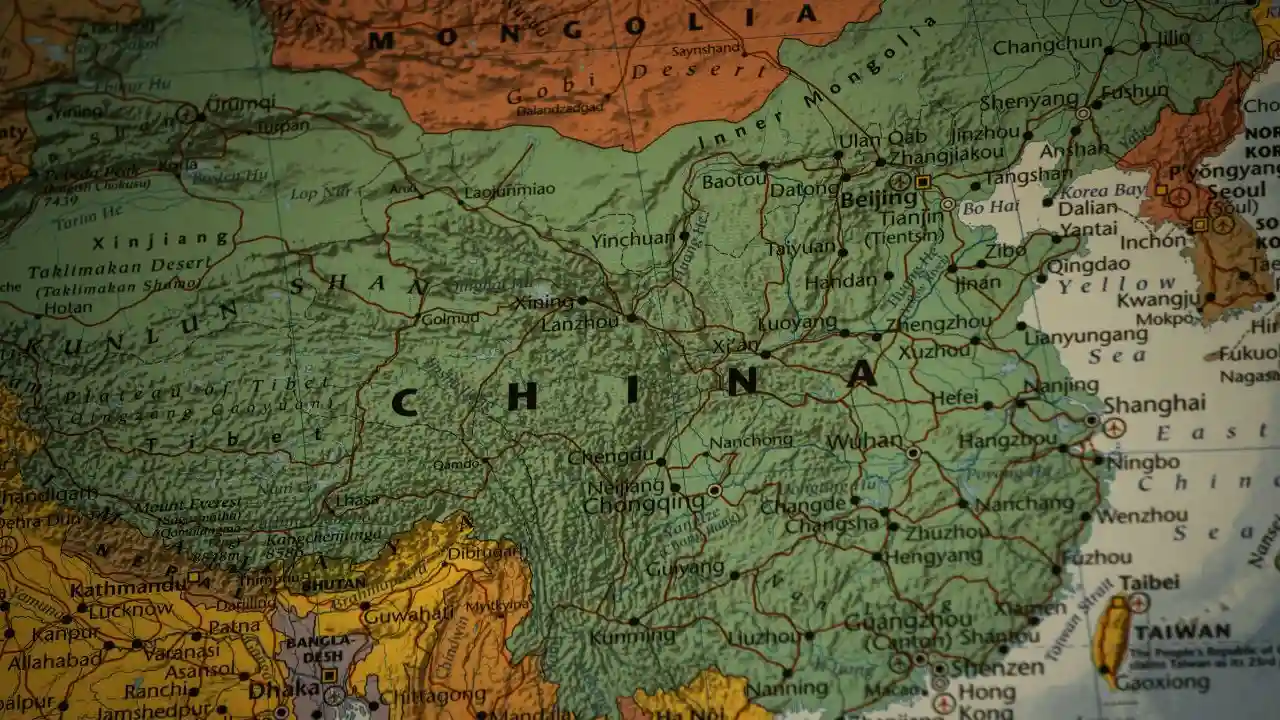
In a sharp diplomatic statement this week, China expressed “serious concern” over the United States' deployment of its advanced "Golden Dome" missile defense system, arguing that the technology represents a throwback to Cold War-era strategies and could disrupt the fragile military balance across the Asia-Pacific region.
China Labels Defense System a Provocation
Chinese Foreign Ministry spokesperson Lin Jian minced no words during a press briefing in Beijing, stating that the Golden Dome “carries strong Cold War overtones” and poses “significant risks to regional peace and strategic stability.”
The Golden Dome, a cutting-edge missile interception network developed by the Pentagon, is said to integrate hypersonic detection capabilities, AI-powered response systems, and an expanded range that stretches over key maritime routes including the South China Sea and the East China Sea—areas of longstanding geopolitical contention.
US Perspective: Defensive, Not Offensive
US officials, however, insist that the Golden Dome system is a purely defensive framework designed to protect key allies, including Japan, South Korea, and Taiwan, from missile threats posed by rogue actors and emerging technologies.
“This is about stability through deterrence,” said a senior US defense official in a statement. “The system is not aimed at any one country but ensures that our partners in the region are protected in the face of evolving missile threats.”
Experts Weigh In: Could It Backfire?
Analysts are divided. While some argue that an effective missile shield could deter escalation, others believe it might provoke a new arms race.
- Beijing may respond by accelerating its own missile modernization programs.
- Regional actors could feel compelled to choose sides in the growing US-China rivalry.
- Smaller nations in Southeast Asia may feel squeezed by the superpower standoff.
“This is not just a technical deployment—it’s a political message,” said Dr. Kai Yu, a strategic security analyst at Tsinghua University. “And that message could be interpreted as exclusion rather than inclusion.”
Also Read
Historical Parallels and Modern Ramifications
The reference to Cold War overtones is not merely rhetorical. China sees parallels between current moves and the US’s Cold War-era missile deployments in Europe, which sparked tension and mistrust with the Soviet Union. Critics argue that repeating such strategies in Asia could create a similar dynamic with unpredictable consequences.
The development also comes amid rising military drills in the Taiwan Strait, increased US naval presence in contested waters, and a cooling diplomatic atmosphere between Washington and Beijing despite recent talks aimed at “guardrails” in military communication.
What’s Next?
While the US has not indicated any pause in its deployment plans, Beijing is expected to raise the issue at upcoming international security forums, including the Shangri-La Dialogue in Singapore next month.
With tensions already running high over trade, tech, and Taiwan, the Golden Dome controversy adds another layer of complexity to the world’s most consequential bilateral relationship.


💬 Leave a Comment
📝 Recent Comments
No comments yet! Be the first one to comment.
🔄 Read More

⬅ Previous: How I Learned to Stop Stressing About Money and Actually Save a Little Each Month
Date: 21-May-2025
Discover practical, simple strategies to stop stressing about money and start saving consistently each month—even if your budget feels tight or unpredictable.
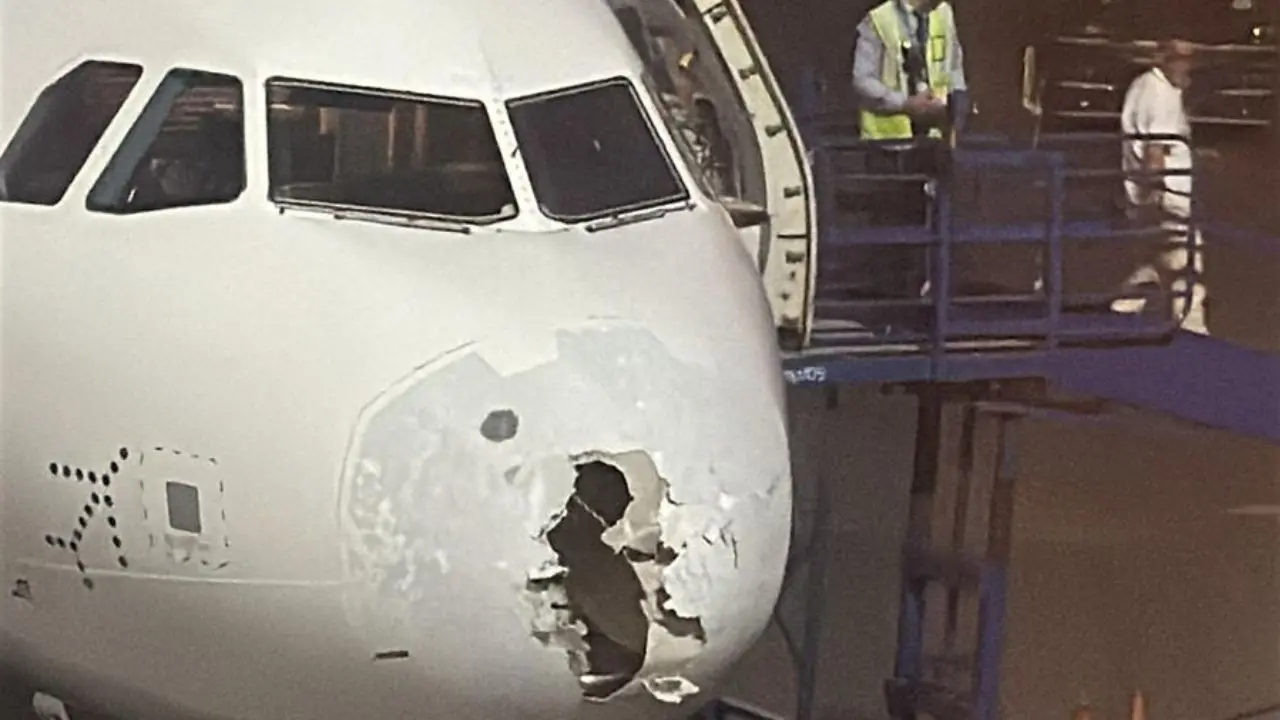
Next: IndiGo Flight 6E2142 Suffers Nose Damage in Mid-Air Hailstorm; All 227 Onboard Safe ➡
Date: 22-May-2025
IndiGo flight 6E2142 from Delhi to Srinagar encountered a severe hailstorm on May 21, 2025, causing significant nose damage. The aircraft landed safely, with all 227 passengers and crew unharmed.