
China's Transnational Repression Sparks Global Response from Democracies
Date: 06-apr-2025 | By: Nuztrend Team

China’s efforts to silence dissent beyond its borders have come under renewed international scrutiny, as recent reports highlight a pattern of transnational repression targeting members of Chinese diaspora communities worldwide. The revelations have triggered diplomatic concern and prompted policy action in countries such as the United States, United Kingdom, and several EU members.
Alarming Tactics Targeting Overseas Citizens
According to multiple investigations, Chinese authorities and affiliated actors have employed a variety of tactics to monitor, intimidate, and suppress critics living abroad. These include online surveillance, threats to family members still living in China, and even attempts to forcibly repatriate individuals accused of being politically outspoken.
- Anonymous harassment campaigns targeting activists and journalists.
- Use of unofficial “police stations” abroad to pressure dissidents.
- Visa denials and travel restrictions against perceived critics.
Democratic Nations Push Back
The United States has announced a set of legislative and diplomatic measures aimed at countering foreign influence operations. This includes expanded protections for exiled dissidents and increased scrutiny of Chinese government-linked entities operating within U.S. borders.
Similarly, the United Kingdom has launched investigations into alleged “Chinese police stations” operating in London and Manchester. UK officials are also working to strengthen laws that protect citizens from foreign state intimidation and surveillance.
Voices from the Chinese Diaspora
Members of the Chinese diaspora—particularly students, journalists, and human rights defenders—have spoken out about the challenges of maintaining freedom of expression while facing threats from abroad. Many have expressed gratitude for new protections but emphasize the need for more coordinated international efforts.
Also Read

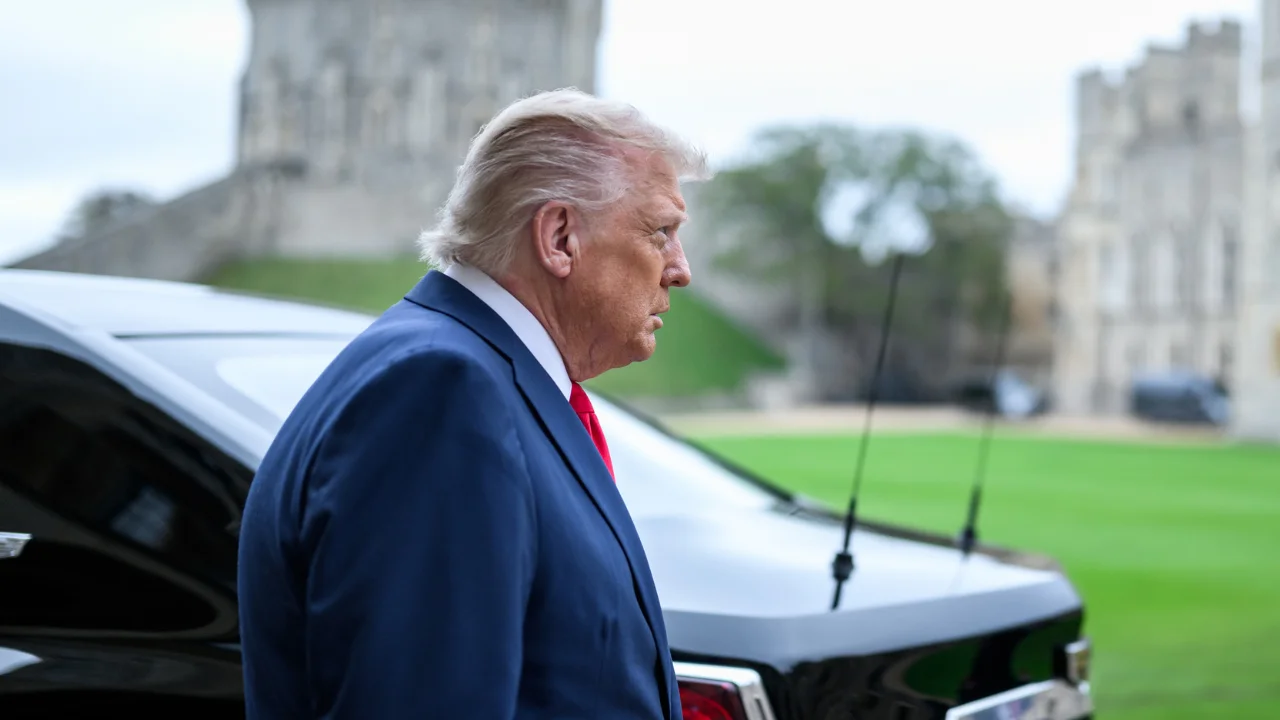
“Even though I live in a free country, I often feel watched,” said a Chinese student activist based in Canada. “Our community is scared to speak out, even at peaceful rallies.”
What Comes Next?
Governments around the world are now considering ways to increase transparency, limit foreign state influence, and enhance cybersecurity to prevent digital harassment and misinformation campaigns originating from authoritarian regimes.
Experts suggest that the issue of transnational repression is not limited to China but represents a broader threat to democratic societies that must be addressed through coordinated policy, law enforcement, and civil society support.
Conclusion
As more nations become aware of the scope of China’s transnational repression, the global response is intensifying. While countries seek to maintain diplomatic ties, they are also drawing clearer lines on protecting the rights of citizens and residents to speak freely—regardless of origin or political stance.


💬 Leave a Comment
📝 Recent Comments
No comments yet! Be the first one to comment.
🔄 Read More
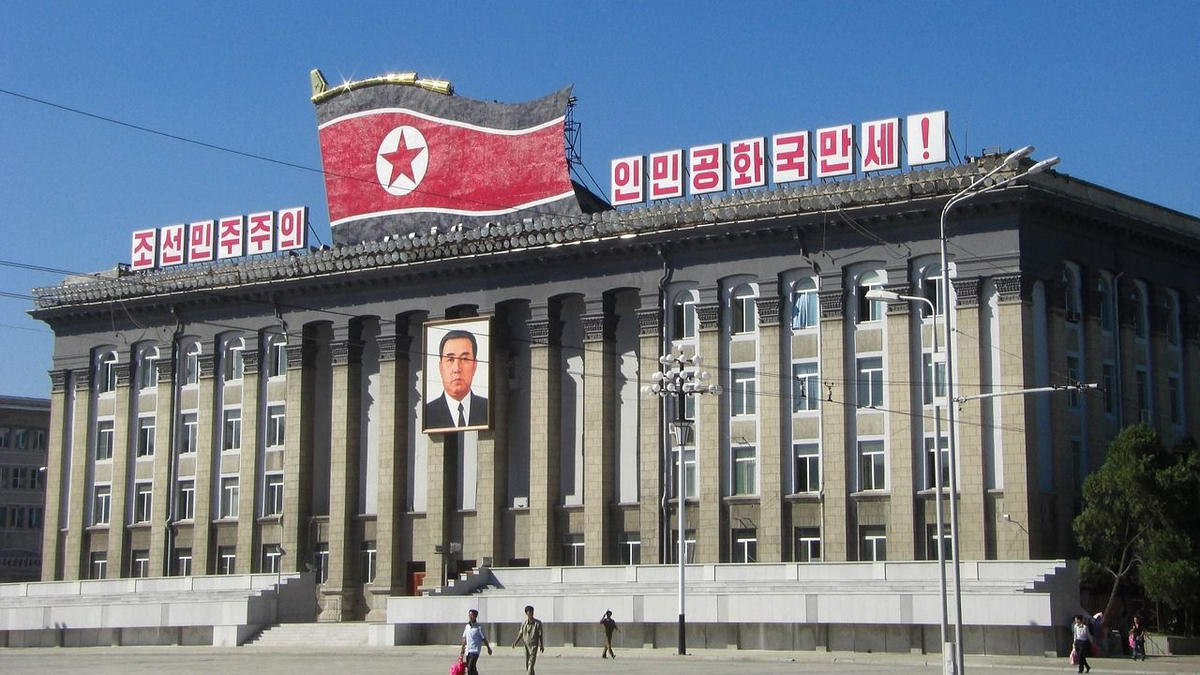
⬅ Previous: North Korea Reopens Borders with First Pyongyang Marathon Since 2019
Date: 06-Apr-2025
After six years, North Korea hosts the Pyongyang International Marathon, signaling a cautious reopening of borders post-pandemic. Around 200 foreign runners joined the iconic race.

Next: Australian Stock Market Crash Wipes Out $160 Billion Amid U.S.-China Trade War Fears ➡
Date: 07-Apr-2025
Australian share market crashes by 6.3% as U.S.-China trade war escalates. ASX200 hits 15-month low, sparking fears of a global recession. Investors face heavy losses in early April 2025.