
How US Diplomacy Halted India-Pakistan Conflict in 2025
Date: 12-may-2025 | By: Nuztrend Team
US Steps In to Defuse India-Pakistan Tensions
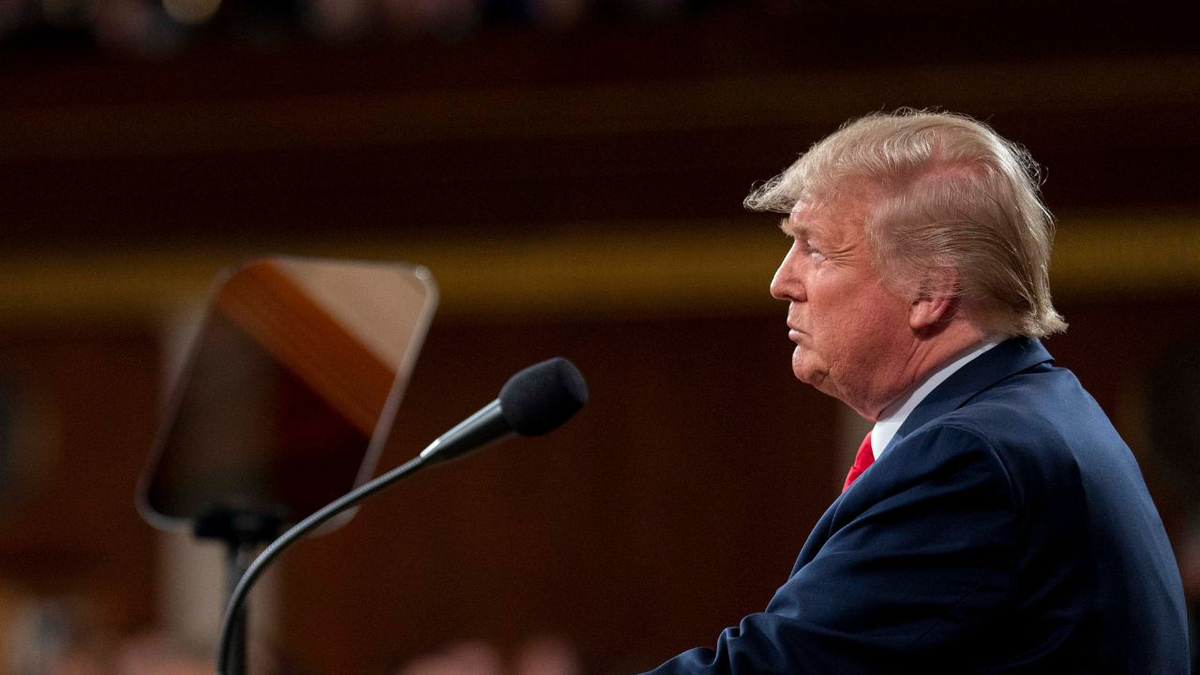
The year 2025 brought the world to the edge of a dangerous standoff in South Asia. A deadly terrorist attack in Indian-administered Kashmir sparked a fierce military exchange between India and Pakistan, two nuclear-armed neighbors with a long history of rivalry. As missiles flew and global alarm grew, US President Donald Trump claimed his administration’s diplomatic efforts prevented a “bad nuclear war.” But what exactly happened, and how did the US pull off this high-stakes intervention?
The Kashmir Crisis Ignites
On April 22, 2025, a horrific attack in Pahalgam, Kashmir, left 26 people dead, mostly Hindu tourists. India pointed the finger at Pakistan, accusing it of supporting the militants responsible. In response, India launched “Operation Sindoor,” striking alleged terror camps across the border in Pakistan and Pakistan-administered Kashmir. Pakistan hit back with drone and missile strikes, targeting Indian military posts. The conflict escalated rapidly, with strikes landing perilously close to Pakistan’s Nur Khan air base, a key site near its nuclear oversight headquarters.
Trump’s Trade Diplomacy Takes Center Stage
Initially, the US appeared reluctant to get involved. Vice President JD Vance, on May 8, 2025, dismissed the conflict as “none of our business.” But as intelligence reports warned of potential escalation, the White House changed course. President Trump, alongside Vance and Secretary of State Marco Rubio, engaged directly with Indian Prime Minister Narendra Modi and Pakistani Prime Minister Shehbaz Sharif. Their efforts culminated in a ceasefire announcement on May 10, 2025, which Trump hailed on Truth Social as a “full and immediate” halt to hostilities.
Trump credited trade incentives as the key to his success. “I said, come on, we’re gonna do a lot of trade with you guys, so stop it,” he remarked during a White House briefing. “If you don’t stop it, we’re not going to do any trade.” This carrot-and-stick approach, he argued, convinced both nations to step back from the brink.
- US leveraged trade promises to encourage de-escalation.
- Direct talks involved high-level officials like Rubio and Vance.
- Ceasefire was announced after intense diplomatic pressure.
A Shaky Ceasefire and Lingering Doubts
While the ceasefire marked a significant achievement, it was far from ironclad. Within hours, both sides traded accusations of violations. India reported shelling in Akhnoor and blasts in Srinagar, while Pakistan claimed Indian forces initiated aggression. India’s Foreign Secretary Vikram Misri accused Pakistan of “repeated violations,” highlighting the deep mistrust that continues to plague bilateral relations.
India also downplayed the US role, insisting the ceasefire was negotiated directly between the Indian and Pakistani Directors General of Military Operations (DGMOs). This narrative underscores India’s desire to project control over its regional security, even as US involvement was widely reported.
Also Read
Did the US Really Prevent a Nuclear War?
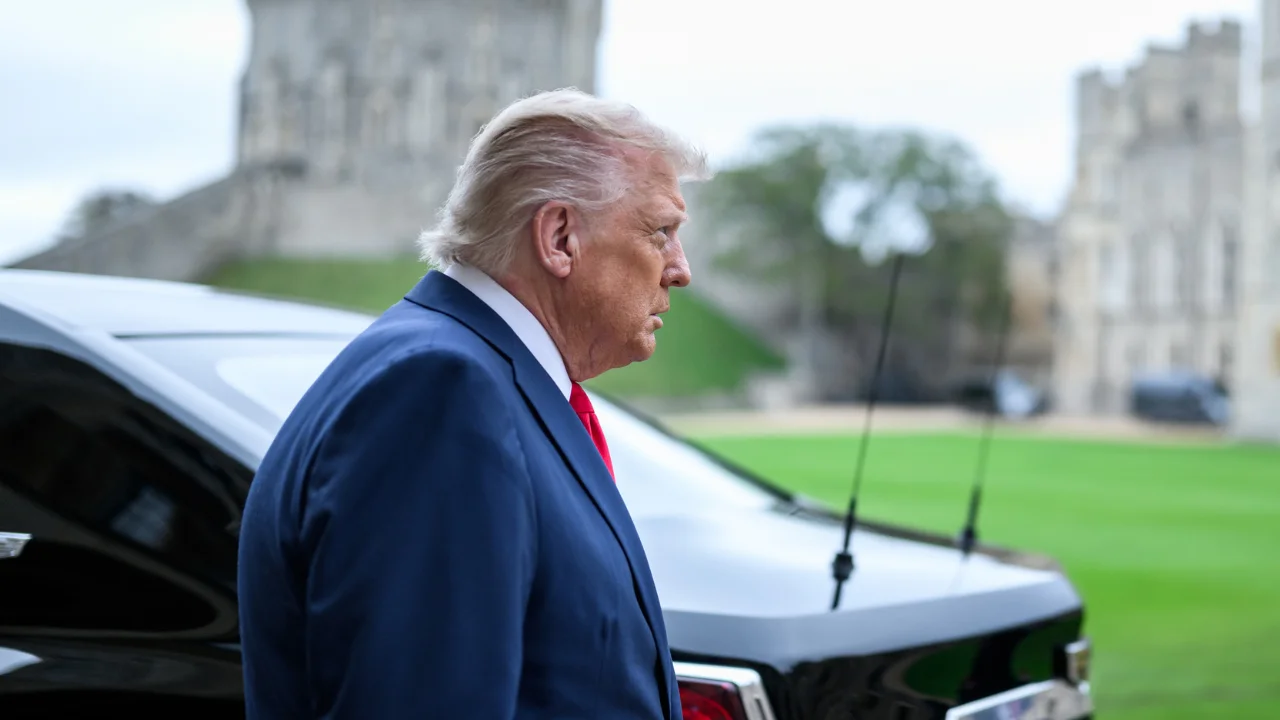
Trump’s bold claim of averting a “bad nuclear war” has stirred debate. Both India and Pakistan possess formidable nuclear arsenals, with estimates suggesting each holds around 170 warheads. The intensity of the conflict, particularly strikes near sensitive sites, fueled concerns about missteps. Yet, no public evidence suggests either side was preparing to go nuclear. Pakistan’s defense minister even clarified that no nuclear weapons meeting was scheduled.
Still, the US’s role in pausing the escalation is undeniable. By wielding trade incentives and direct diplomacy, the Trump administration helped cool a dangerously heated situation, even if only temporarily.
What’s Next for India-Pakistan Relations?
The ceasefire, fragile as it is, offers a brief respite in a region long defined by conflict. However, the underlying issues—Kashmir’s disputed status, cross-border terrorism, and mutual distrust—remain unresolved. The US intervention underscores the power of economic diplomacy but also highlights the limits of external mediation in addressing deep-rooted regional tensions.
As the world watches, the question looms: can this ceasefire hold, or will South Asia’s volatile fault lines erupt again? For now, Trump’s trade-driven diplomacy has bought time, but lasting peace will require far more than promises of commerce.


💬 Leave a Comment
📝 Recent Comments
No comments yet! Be the first one to comment.
🔄 Read More
⬅ Previous: PM Modi to Address Nation at 8 PM Today on Operation Sindoor and Ceasefire With Pakistan
Date: 12-May-2025
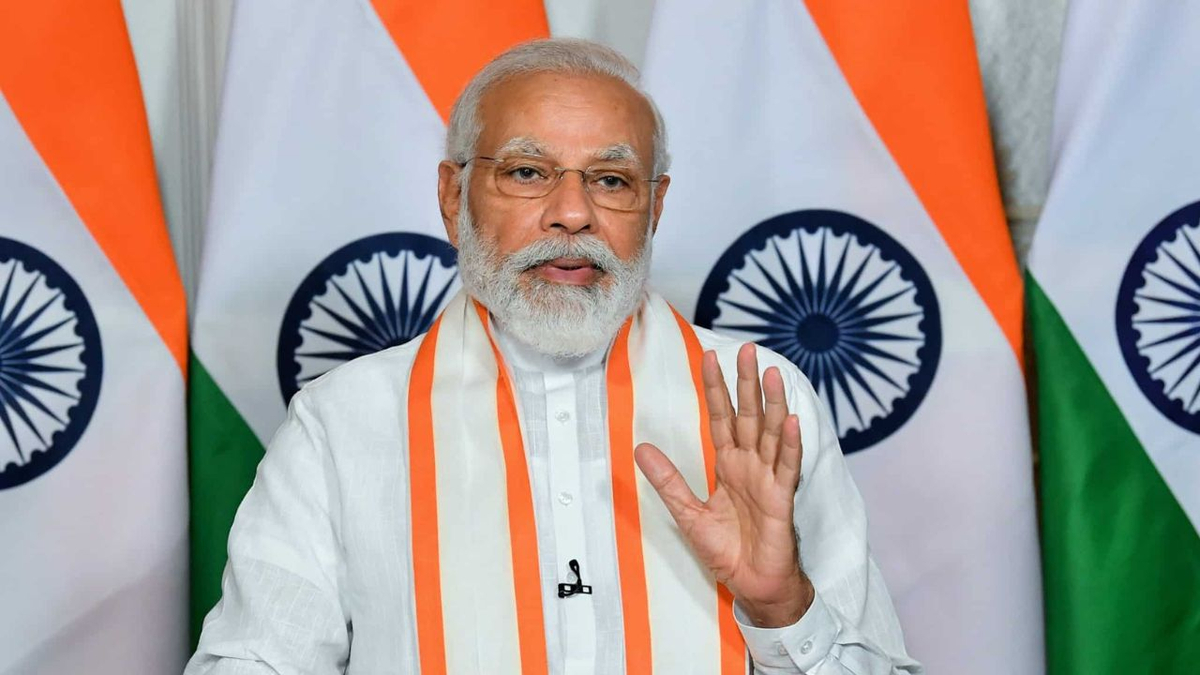
Prime Minister Narendra Modi will address the nation at 8 PM IST today, May 12, 2025, to discuss Operation Sindoor and India’s ceasefire agreement with Pakistan following the Pahalgam terror attack.
Next: Why Global Misinformation Campaigns Are Rising and How to Spot Fake News in 2025 ➡
Date: 13-May-2025
Misinformation is spreading faster than ever in 2025. Learn why fake news campaigns are rising globally and discover practical tips to identify and stop misinformation before it spreads.