
India Air Pollution Crisis: 13 of World's 20 Most Polluted Cities in 2025
Date: 11-mar-2025 | By: Nuztrend Team
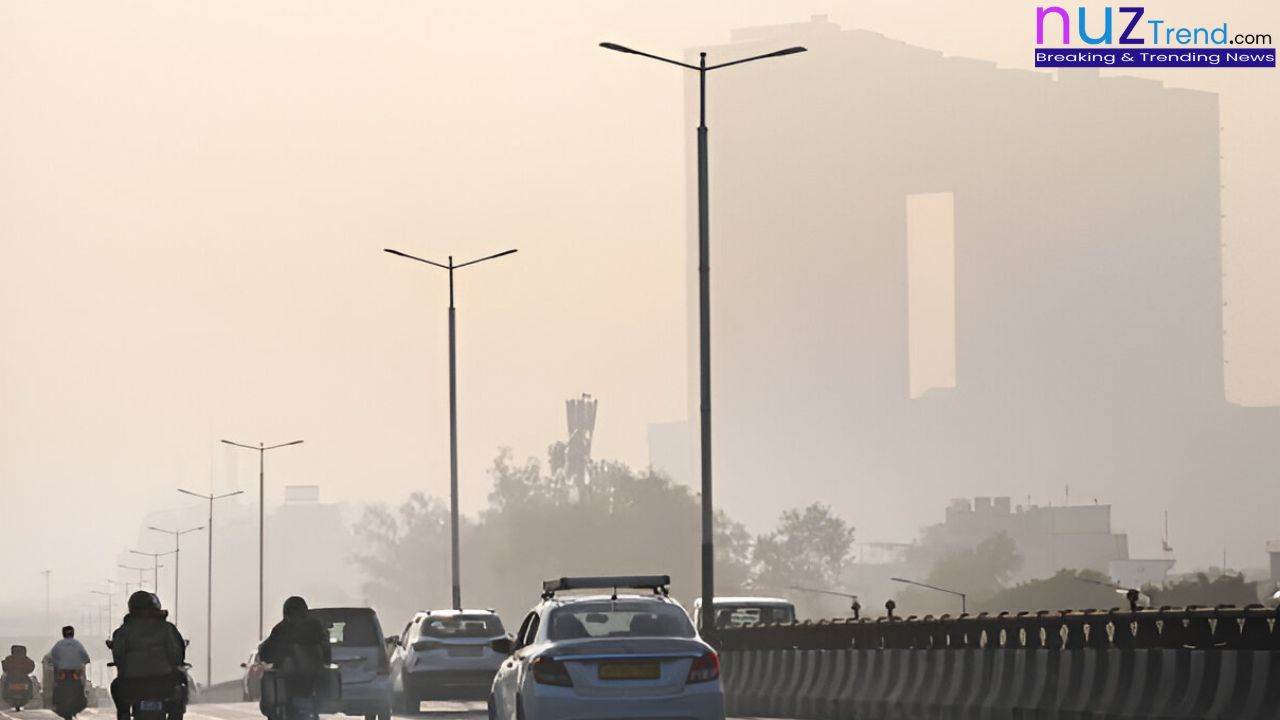
India's Air Pollution Crisis in 2025: 13 of 20 Most Polluted Cities
India continues to battle severe air pollution as the latest IQAir report for 2025 ranks the country 5th globally in terms of poor air quality. A shocking revelation from the report highlights that 13 of the world's 20 most polluted cities are in India, further emphasizing the environmental and health crisis the nation faces.
Key Findings from the Air Quality Report
- India ranks 5th globally in air pollution, with PM2.5 levels far exceeding WHO guidelines.
- Delhi remains the most polluted capital city worldwide, with dangerous smog levels.
- 13 out of 20 most polluted cities are in India, including Ghaziabad, Noida, and Patna.
- 7% reduction in PM2.5 levels in 2024, but pollution remains critically high.
- Vehicular emissions, construction dust, and crop burning are major contributors to pollution.
Why is India’s Air Pollution So Severe?
Several factors contribute to India's air pollution crisis. The rapid industrialization, increased vehicular emissions, and rampant construction activities generate enormous amounts of particulate matter. Additionally, the annual stubble burning in states like Punjab and Haryana worsens winter smog in North India.
Although the government has launched initiatives like the National Clean Air Programme (NCAP) and promoted electric vehicles, the progress remains slow compared to the scale of the problem.
Health Impacts of Rising Pollution Levels
Long-term exposure to high PM2.5 levels is linked to serious health conditions:
Also Read


- Respiratory diseases such as asthma, bronchitis, and chronic lung infections.
- Increased cardiovascular risks, leading to heart attacks and strokes.
- Lower life expectancy due to prolonged exposure to hazardous air.
- Severe impact on children with reduced lung development and cognitive impairment.
Possible Solutions and Future Outlook
India must implement stringent air pollution control measures, including:
- Strict enforcement of emission norms for industries and vehicles.
- Better public transport and promotion of electric vehicles.
- Increased green cover in urban areas to absorb pollutants.
- Alternative solutions to stubble burning to prevent seasonal smog.
- Public awareness campaigns on the dangers of air pollution.
While India has made some progress with a 7% reduction in PM2.5 levels, a more aggressive approach is necessary to bring sustainable improvement in air quality.


💬 Leave a Comment
📝 Recent Comments
No comments yet! Be the first one to comment.
🔄 Read More

⬅ Previous: PM Modi's Mauritius Visit: Strengthening Bilateral Ties and Celebrating National Day
Date: 11-Mar-2025
Indian Prime Minister Narendra Modi embarks on a two-day visit to Mauritius, serving as the chief guest for the nation's National Day celebrations and inaugurating over 20 India-funded projects, marking a significant enhancement in bilateral relations.

Next: India Denies Trump's Tariff Cut Claim: No Commitments Made ➡
Date: 11-Mar-2025
India has clarified that no commitments were made to reduce tariffs despite former U.S. President Donald Trump’s claims. Officials emphasize that trade negotiations are ongoing, with no finalized agreement.