
India Cuts Chenab River Flow, Sparking Water Crisis in Pakistan Amid Rising Tensions
Date: 06-may-2025 | By: Nuztrend Team
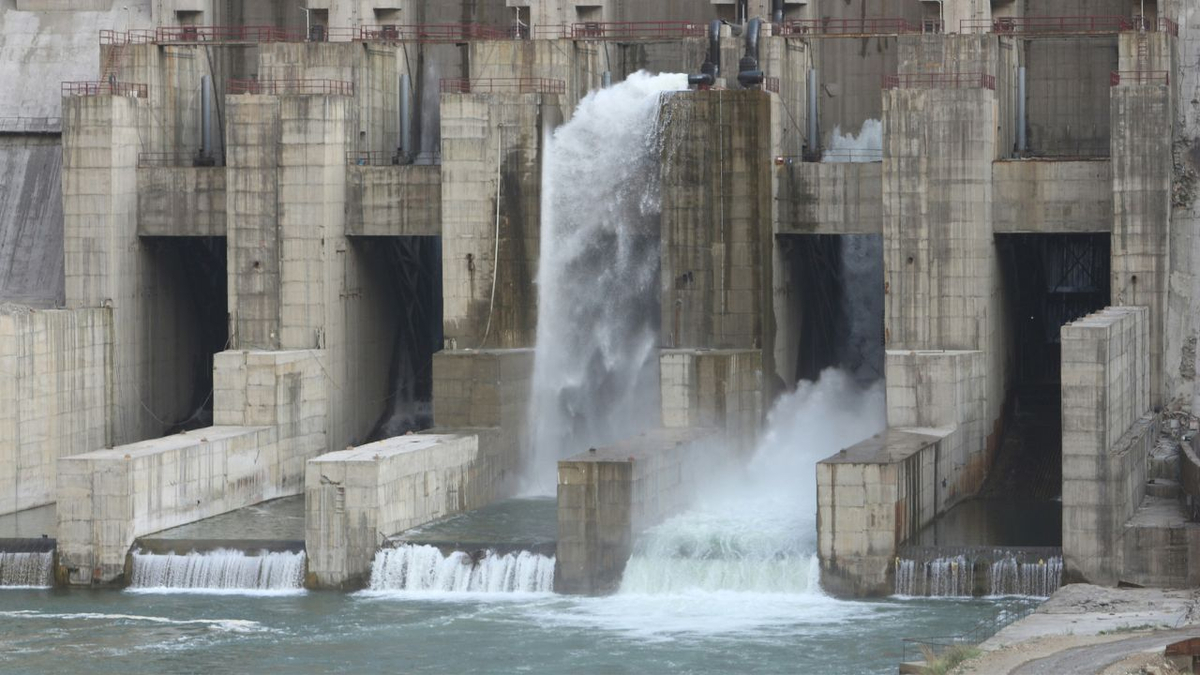
In a move that has sent shockwaves through South Asia, India has significantly reduced the flow of water through the Chenab River into Pakistan, leading to serious concerns about an agricultural shortfall in the early Kharif season. The reduction comes in the aftermath of the deadly terror attack in Pahalgam, Jammu and Kashmir, where 26 Hindu pilgrims were gunned down—a tragedy India has directly linked to Pakistan-based militants.
IRSA Warns of Sharp Water Shortages
Pakistan's Indus River System Authority (IRSA) advisory committee sounded the alarm on Monday, noting a drastic decline in inflows at the Marala headworks on the Chenab River. IRSA’s spokesperson Muhammad Khalid Idrees Rana told Bloomberg that India has reduced the water flow by nearly 90%, threatening irrigation for crops and access to drinking water across Pakistan's Punjab province.
“It’s unprecedented,” Rana said, adding that while India routinely holds water for electricity generation, this level of restriction is extraordinary. According to IRSA’s internal review, Pakistan could face a 21% water shortage during the early Kharif season (May to June 10), with a potential 7% shortage projected for the late Kharif period.
Salal and Baglihar Dam Gates Closed
Sources confirmed that all gates at the Baglihar Hydroelectric Power Project and the Salal Dam on the Chenab River have been sealed shut. A minimal volume of water is reportedly being released from one gate at each dam to mitigate damage to marine wildlife, but the overall outflow remains critically low.
This action follows India's recent suspension of the Indus Waters Treaty—a historic 1960 agreement brokered by the World Bank, which allocated specific water rights between India and Pakistan across six rivers: the Indus, Jhelum, Chenab, Ravi, Beas, and Sutlej.
Also Read


Pakistan Deems Water Block an 'Act of War'
Islamabad has responded sharply, calling India's move a violation of international norms and a potential “act of war.” Officials warned that continued curtailment of water supply could jeopardize food security and exacerbate geopolitical tensions already inflamed by the Pahalgam attack fallout.
Diplomatic Fallout and Regional Risks
The water crisis comes as both countries face growing international scrutiny. Pakistan is seeking diplomatic intervention, possibly at the United Nations level, while India maintains that the suspension is a justified countermeasure to cross-border terrorism.
Conclusion
As the Kharif season approaches, millions of Pakistani farmers are now at risk of losing critical irrigation support. If India maintains its chokehold on the Chenab flow, the situation could spiral into an environmental and political crisis with lasting implications for South Asian stability.


💬 Leave a Comment
📝 Recent Comments
No comments yet! Be the first one to comment.
🔄 Read More

⬅ Previous: China's COMAC C919 Faces Headwinds Amid Trade Tensions and Certification Delays
Date: 06-May-2025
China's COMAC C919 airliner encounters production and certification challenges due to reliance on Western components and escalating trade tensions, impacting its global market aspirations.

Next: Teacher Appreciation Week 2025: Top Deals, Freebies, and Discounts for Educators ➡
Date: 06-May-2025
Celebrate Teacher Appreciation Week 2025 with a roundup of the best deals, freebies, and discounts available nationwide for educators.