
70 Japanese Lawmakers Visit Yasukuni Shrine Amid Ongoing Diplomatic Tensions
Date: 22-apr-2025 | By: Nuztrend Team
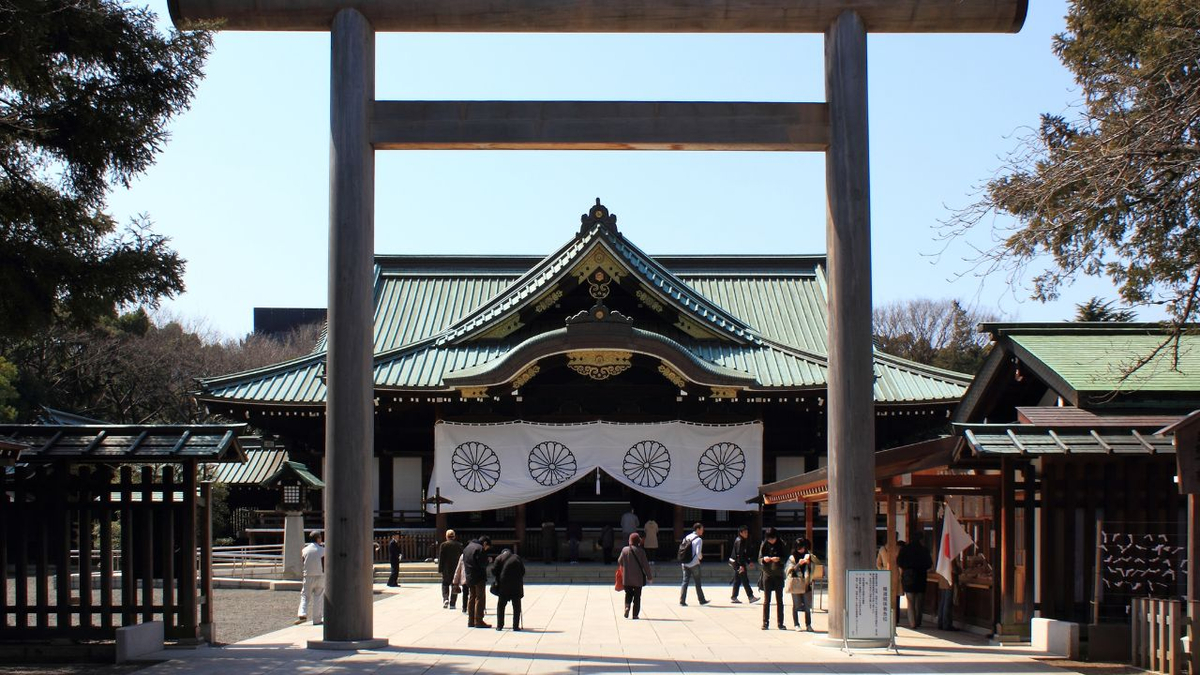
Image By Kakidai - Own work, CC BY-SA 3.0, Link
On April 22, 2025, approximately 70 lawmakers from various Japanese political parties visited the Yasukuni Shrine in Tokyo during its annual spring festival. The shrine, which honors Japan’s war dead—including Class A war criminals from World War II—has long been a flashpoint for diplomatic friction in East Asia.
This year’s visit included prominent figures such as former Economic Security Minister Sanae Takaichi, who also paid her respects independently. The group’s visit was organized by a nonpartisan parliamentary federation that regularly attends the shrine during seasonal festivals.
Why Yasukuni Shrine Remains Controversial
The Yasukuni Shrine is dedicated to the spirits of over 2.4 million Japanese war dead, but controversy stems from the enshrinement of 14 convicted Class A war criminals from World War II. Visits to the site by government officials are often viewed by neighboring countries—especially China and South Korea—as a failure to reckon with Japan’s militarist past.
China and South Korea have consistently condemned such visits, viewing them as a glorification of wartime aggression. Over the years, these visits have strained diplomatic relations, particularly when high-ranking politicians or cabinet members are involved.
Also Read

Government Response and Public Reaction
Although Prime Minister Fumio Kishida did not visit the shrine, he sent a ritual offering, a move seen by critics as an attempt to balance nationalist sentiment at home with international diplomacy. Meanwhile, public opinion in Japan remains divided—some view the visits as a legitimate tribute to fallen soldiers, while others see them as provocations that hinder reconciliation in the region.
Regional Tensions Likely to Resurface
This year's visit comes at a sensitive time in regional geopolitics, with rising military tensions in East Asia and ongoing territorial disputes. Diplomatic observers expect formal protests from South Korea and China in response to the event, as seen in previous years.
The visit underscores the enduring complexity of Japan's wartime legacy and the challenges of balancing national remembrance with regional diplomacy.


💬 Leave a Comment
📝 Recent Comments
No comments yet! Be the first one to comment.
🔄 Read More

⬅ Previous: Harvard Sues Trump Administration Over $2.2 Billion Federal Grant Freeze
Date: 22-Apr-2025
Harvard University has filed a lawsuit against the Trump administration over the freezing of $2.2 billion in research grants, citing violations of academic freedom and constitutional rights.
Next: U.S. Supreme Court Temporarily Blocks Deportation of Venezuelan Migrants ➡
Date: 22-Apr-2025
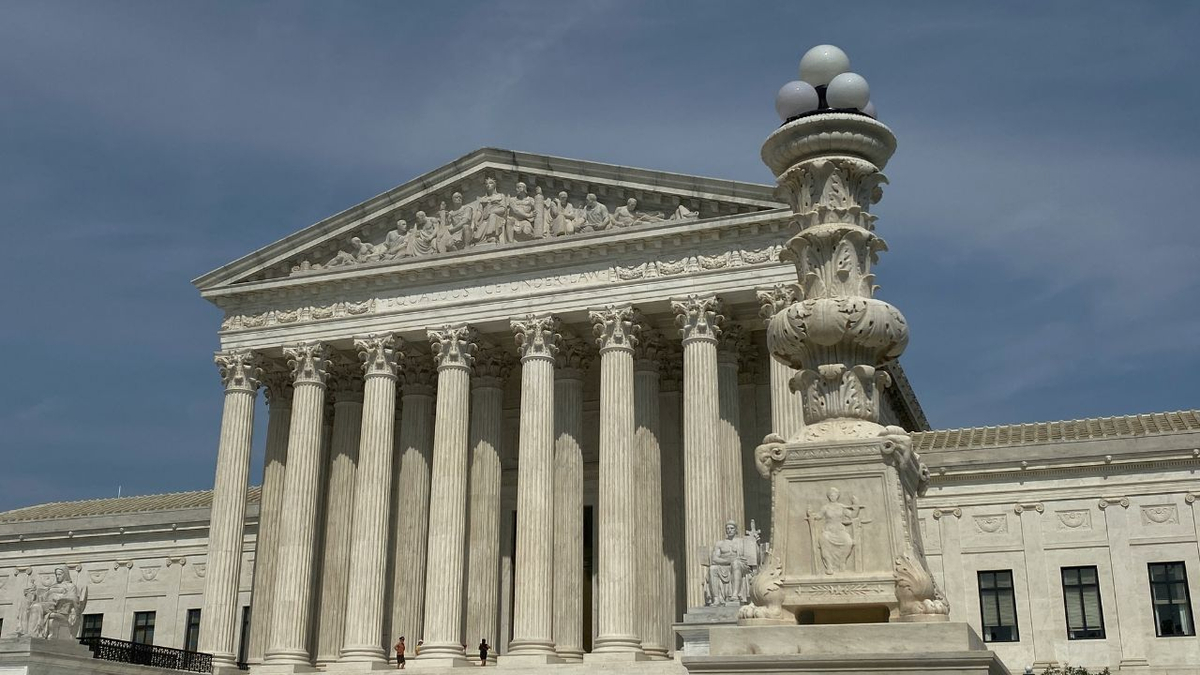
The U.S. Supreme Court has temporarily halted the deportation of Venezuelan migrants under the Alien Enemies Act, citing due process concerns.