Ukraine Peace Talks in Istanbul Begin Without Putin or Trump, Casting Shadow on Progress
Date: 15-may-2025 | By: Nuztrend Team
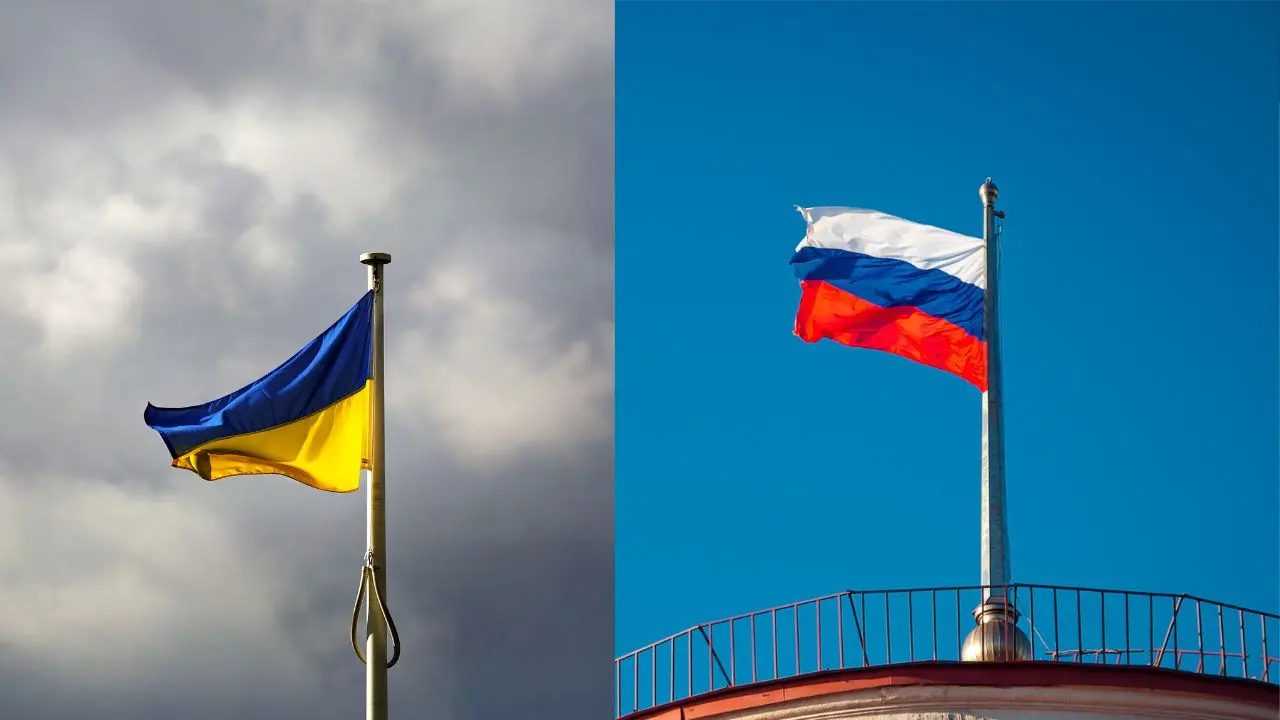
In a renewed push for diplomatic resolution, Ukrainian and Russian delegates have gathered in Istanbul for fresh peace negotiations. These talks come at a time when global interest in ending the nearly three-year-long war has intensified. However, the absence of two influential figures — Russian President Vladimir Putin and former U.S. President Donald Trump — is causing skepticism about the talks' capacity to bring any breakthrough.
The discussions, which began earlier this week, are hosted by Turkey, a key regional player that has maintained dialogue with both Kyiv and Moscow. The neutral ground of Istanbul offers symbolic value, but analysts warn that without the highest levels of political commitment, the talks may produce more theater than tangible outcomes.
Key Stakeholders Missing from the Table
Putin’s Absence Signals Reluctance
President Vladimir Putin’s decision to stay away from the negotiation table underscores Russia’s reluctance to make concessions. Instead, Russian Foreign Minister Sergey Lavrov is leading Moscow’s delegation. Kremlin spokesperson Dmitry Peskov downplayed Putin’s absence, stating that “high-level officials are more than capable of representing Russia’s interests.” Yet, many observers see it as a deliberate move to stall any progress or maintain a hardline position.
Trump Remains Silent
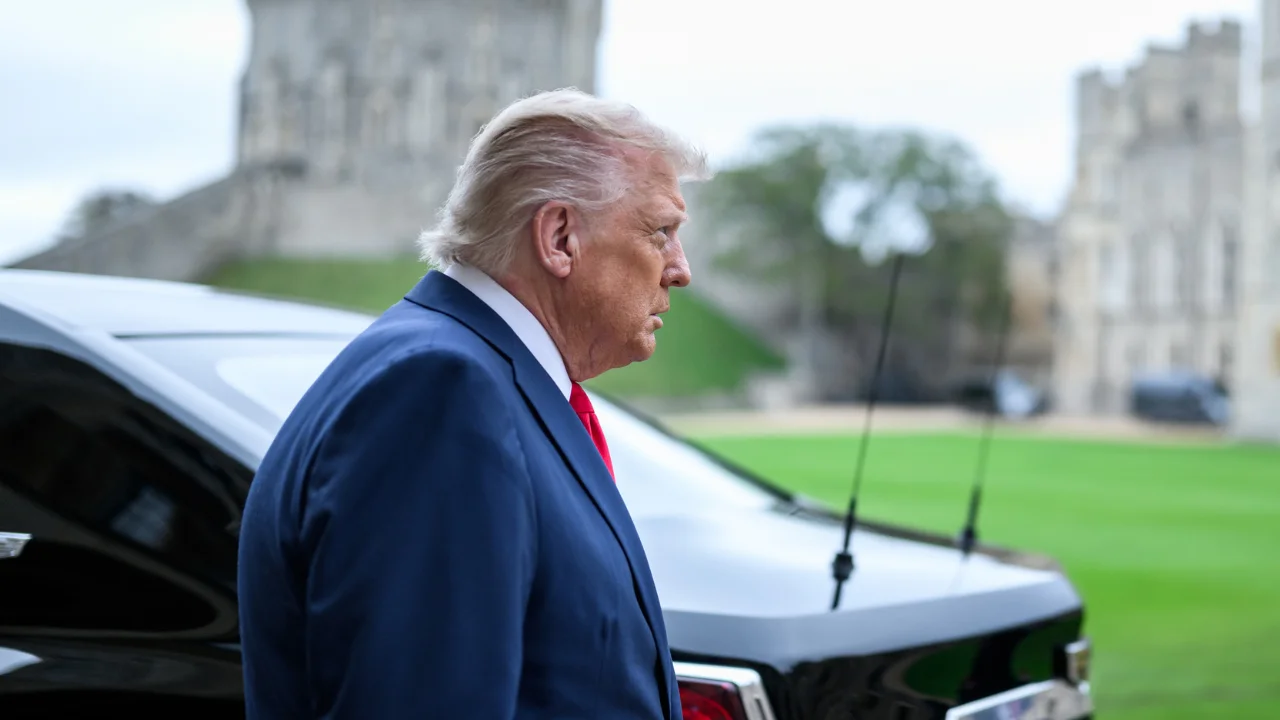
Former U.S. President Donald Trump, who has previously voiced support for direct U.S.-brokered peace in Ukraine, is also notably absent from these discussions. While the Biden administration is keeping a close watch, it has opted not to send a representative either. Trump's absence, though not officially explained, likely reflects a broader shift in U.S. foreign policy dynamics heading into the 2025 election cycle.
What’s on the Table? Key Points of Negotiation
Though the full agenda has not been publicly released, diplomatic insiders say the talks are focusing on the following points:
- Establishing a new ceasefire framework in contested eastern regions
- Humanitarian aid corridors and prisoner exchanges
- Potential international monitoring of demilitarized zones
- Ukraine’s possible neutrality status in exchange for Russian withdrawal
Ukraine’s delegation, led by Foreign Minister Dmytro Kuleba, has stated that Kyiv remains committed to a peaceful resolution — but not at the expense of territorial integrity or sovereignty. Meanwhile, Russia continues to insist on the demilitarization of Ukraine and the official recognition of Crimea as Russian territory.
Turkey’s Role as Mediator
Turkey has long walked a diplomatic tightrope between Russia and Ukraine. Its role as host signals its strategic intent to elevate its status on the world stage as a peace broker. Turkish President Recep Tayyip Erdoğan briefly addressed delegates during the opening session, calling the war “a scar on humanity” and urging both sides to “think of the generations to come.”
While Erdoğan’s message was largely symbolic, his country’s geography and NATO membership make Turkey one of the few powers with access and leverage on both sides. Analysts agree that Ankara’s ability to bring both delegations to the same table is itself a diplomatic win — but one that must now translate into results.
Also Read
Global Reactions: Cautious Optimism, Lingering Doubt
International leaders have responded with cautious optimism. The European Union and United Nations have praised the initiative but refrained from getting involved directly. NATO Secretary-General Jens Stoltenberg emphasized that "true peace can only be achieved when Ukraine's sovereignty is fully restored."
In the U.S., both Democratic and Republican lawmakers have offered tepid responses, highlighting skepticism about Russia's sincerity in pursuing peace. China, another silent influencer in the conflict, has not commented on the talks, continuing its neutral diplomatic posture.
Challenges Ahead: Are the Talks Set Up to Fail?
Despite the diplomatic fanfare, experts warn that the absence of major political players may doom the talks to irrelevance. Without Putin at the table, any agreements reached could face delays or be vetoed back in Moscow. Similarly, the lack of U.S. involvement removes a major source of strategic pressure and economic leverage on both sides.
There’s also the issue of domestic sentiment. In both Russia and Ukraine, hardliners see negotiation as either weakness or betrayal. This political climate adds further complexity to any proposal that may emerge from Istanbul.
Conclusion: A Diplomatic Beginning or Another Missed Chance?
The Istanbul peace talks have reignited hopes for a diplomatic resolution to a war that has dragged on for years, killing tens of thousands and displacing millions. Yet, the lack of participation from top global influencers, particularly Putin and Trump, casts a long shadow on the proceedings.
While some progress might be made on humanitarian fronts or prisoner swaps, the road to a comprehensive peace deal remains fraught with political landmines. If nothing else, these talks may serve as a litmus test for future negotiations — and whether the international community can come together when it truly matters.


💬 Leave a Comment
📝 Recent Comments
No comments yet! Be the first one to comment.
🔄 Read More

⬅ Previous: Japan Protests China’s Construction in Disputed East China Sea Territory
Date: 14-May-2025
Japan has officially protested China's new construction in a contested part of the East China Sea, reigniting territorial tensions over resource development and maritime sovereignty.

Next: Massive Solar Flare Causes Global Blackouts and Signal Disruptions: What to Expect Next ➡
Date: 15-May-2025
A powerful solar flare from sunspot AR4087 triggered widespread blackouts and radio disruptions across multiple continents on May 14. Scientists warn more solar storms may follow.