
Why U.S. Importers Are Rushing to Convert Warehouses into Bonded Zones in 2025
Date: 21-may-2025 | By: Nuztrend Team
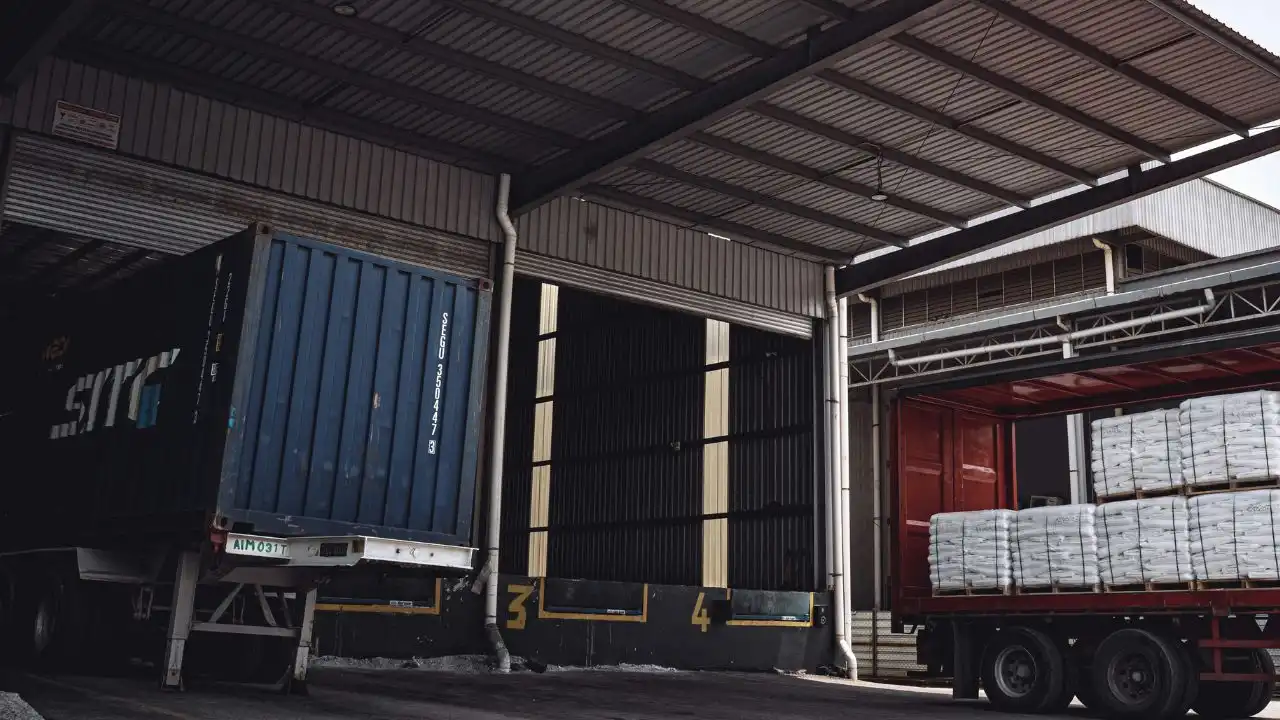
In response to intensified tariffs on Chinese imports introduced by President Trump’s latest trade policies, a growing number of American importers are transforming traditional storage spaces into bonded warehouses. This shift allows companies to delay paying duties until goods are officially released for domestic use, offering a lifeline to businesses navigating the volatile global trade landscape.
Bonded Warehousing: A Strategic Response to Tariff Pressure
Bonded warehouses have long been a staple of international logistics, but they are now experiencing an unprecedented boom in the U.S. due to trade tensions with China. These federally supervised facilities allow goods to be stored tariff-free until they are sold or exported.
According to a Reuters report, warehouse operators across key ports like Los Angeles, Houston, and Savannah are converting space into bonded zones to meet exploding demand.
Capacity Crunch and Rising Costs Across the Logistics Chain
The sudden surge in bonded warehouse conversions is straining the nation’s warehousing infrastructure. Industry insiders say bonded approvals can take weeks and involve a costly compliance process—further driving up operational expenses.
- Some warehouse zones are already at 95% capacity in major logistics hubs.
- Installation of customs-approved security systems and bonded protocols can add $300,000+ in startup costs.
- Leasing rates in bonded-eligible zones have risen by over 20% year-over-year.
Small- and mid-sized importers, in particular, are struggling to keep pace with these rising costs, sparking concerns of further consolidation in the logistics industry. Larger players with deeper pockets are increasingly buying out independent warehouse operators to gain strategic control of bonded infrastructure.
Ripple Effects: Supply Chain Planning Reimagined
Beyond warehousing, the shift is affecting how U.S. companies manage inventory, pricing, and vendor relations. By leveraging bonded storage, many importers are staggering goods into the domestic market in smaller volumes to mitigate tariff impacts and maintain cash flow.
Also Read


Some are even reconsidering their overseas partnerships, seeking alternatives to Chinese suppliers in Vietnam, Mexico, and India—but with mixed results in terms of cost and reliability.
Looking Ahead: A Changing Logistics Landscape
With the 2025 election cycle looming and trade tensions showing no signs of easing, analysts expect the demand for bonded warehouses to grow further. While it offers a temporary cushion for importers, experts caution that overreliance on bonded facilities may not be sustainable without broader trade reform or infrastructure investment.
For now, the warehouse gold rush continues—fueled by uncertainty, necessity, and an evolving global economy.


💬 Leave a Comment
📝 Recent Comments
No comments yet! Be the first one to comment.
🔄 Read More

⬅ Previous: Trump Unveils $542 Billion "Golden Dome" Missile Defense Plan to Counter Space-Based Threats
Date: 21-May-2025
President Donald Trump has launched the ambitious "Golden Dome" missile defense initiative, aiming to safeguard the U.S. against long-range and space-based threats with a projected investment of $542 billion over 20 years.

Next: Japan Sees 1.5x Surge in Students Studying Abroad Post-Pandemic ➡
Date: 21-May-2025
Japan saw a 1.5x increase in students studying abroad in the fiscal year ending March 2024, reflecting post-pandemic recovery and efforts to globalize higher education. Learn about the factors behind this surge and its impact on Japan’s education system.