Lamborghini History: From Tractors to Supercars | Ferruccio's Legacy & Automotive Innovation
Date: 10-mar-2025 | By: Nuztrend Team
The History of Lamborghini: Engineering Passion and Rebellion
Origins: Ferruccio Lamborghini’s Unlikely Beginning
In 1948, Ferruccio Lamborghini, a self-made Italian industrialist, founded Lamborghini Trattori, manufacturing agricultural machinery. By the 1950s, he’d become a millionaire, but his fascination with sports cars—particularly his frustration with a Ferrari—changed everything. Legend has it that after complaining to Enzo Ferrari about a faulty clutch, Ferruccio vowed, “I’ll build a better GT car myself.” In 1963, he launched Automobili Lamborghini in Sant’Agata Bolognese, Italy.
1960s: The Birth of a Legend
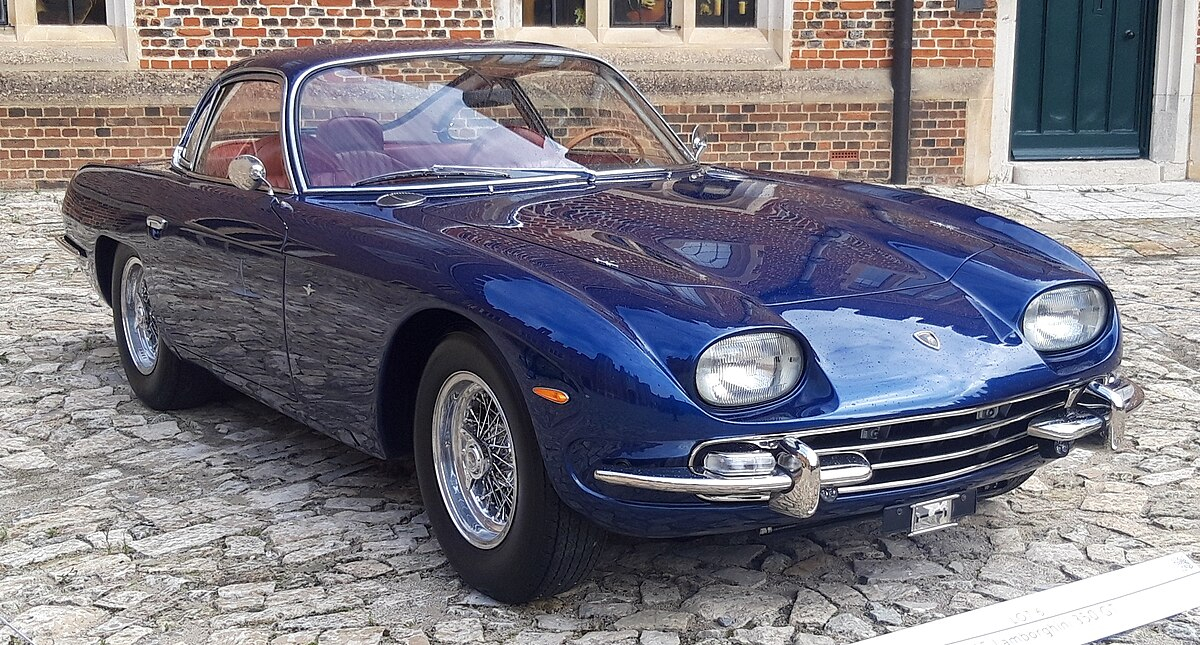
The debut model, the 350 GTV prototype (1963), stunned audiences at the Turin Auto Show. However, the first production car, the 350 GT (1964), with its V12 engine designed by Giotto Bizzarrini, cemented Lamborghini’s engineering prowess. The 1966 Miura, however, rewrote automotive history. Dubbed the first “supercar,” its mid-engine layout, 170 mph top speed, and Marcello Gandini’s radical design made it a cultural icon.
1970s: Turbulence and Innovation
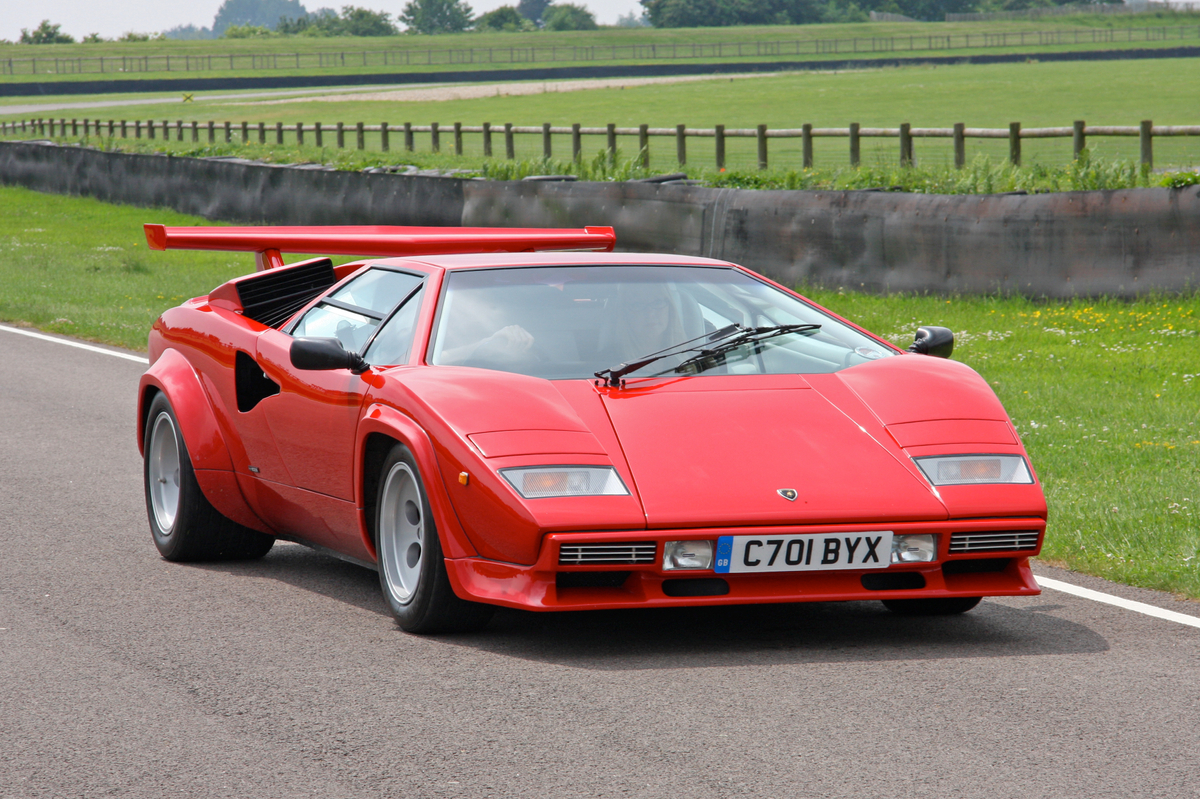
The 1971 Countach LP500 prototype redefined hypercars with scissor doors and a wedge shape. But financial struggles loomed. Ferruccio sold his stake in 1972, and the 1973 oil crisis pushed the company into bankruptcy by 1978. Despite this, the era birthed classics like the Espada and Urraco, blending performance with practicality.
1980s: Survival and Reinvention
Under new ownership by the Mimran brothers (1980), Lamborghini roared back. The Countach Quattrovalvole (1985) and the entry-level Jalpa catered to diverse audiences. In 1987, Chrysler acquired the brand, leading to the development of the Diablo in 1990—a 202 mph beast that became synonymous with 90s excess.
1990s–2000s: Audi’s Game-Changing Takeover
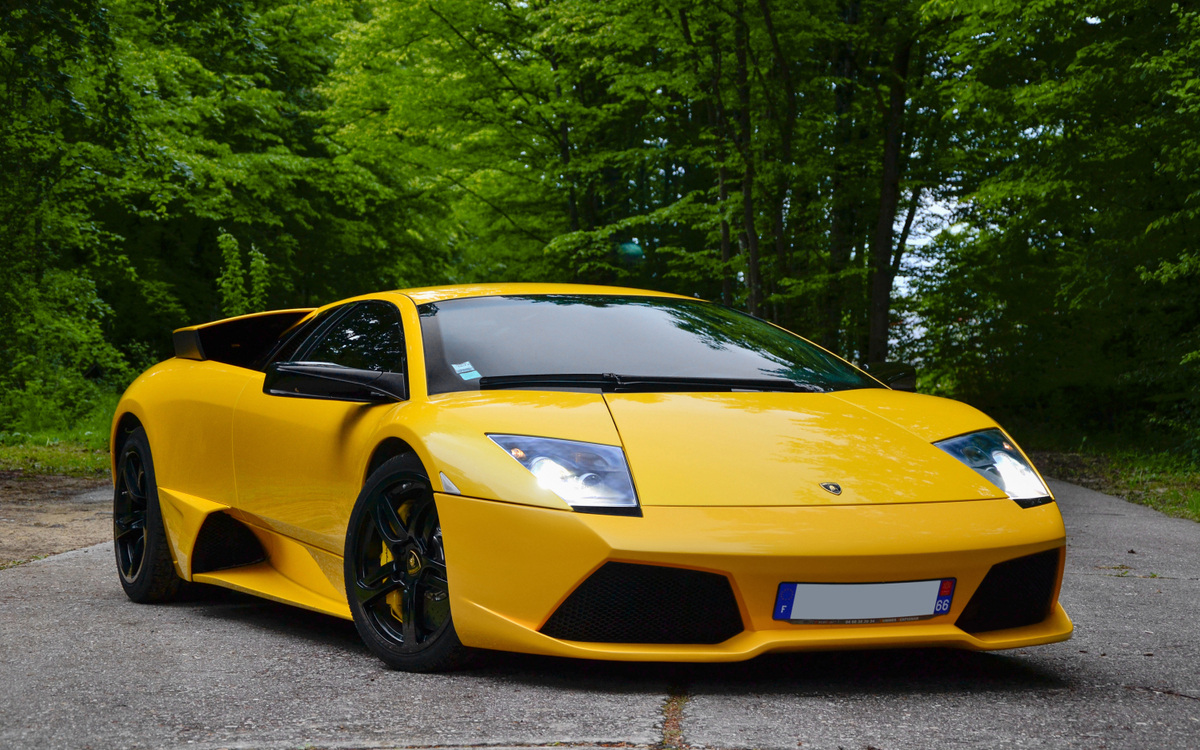
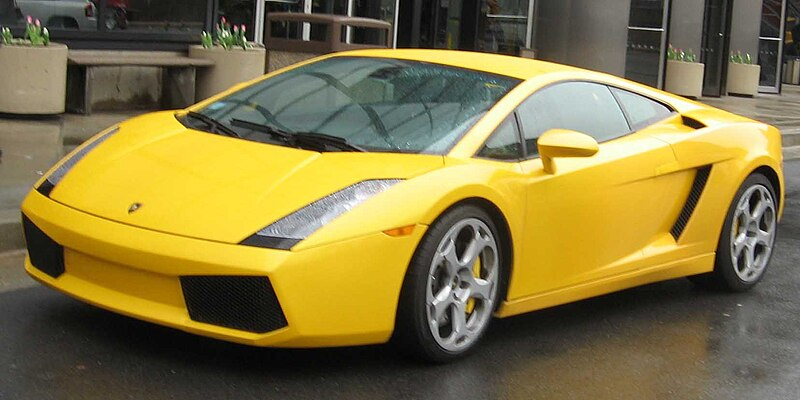
After financial instability and ownership changes (including a stint under Indonesian conglomerate MegaTech), Audi purchased Lamborghini in 1998. This marked a renaissance. The Murciélago (2001) and Gallardo (2003) combined Audi’s reliability with Lamborghini’s audacity. The Gallardo alone sold over 14,000 units, becoming the brand’s best-selling model.
2010s–Present: Electrification and Hypercar Dominance
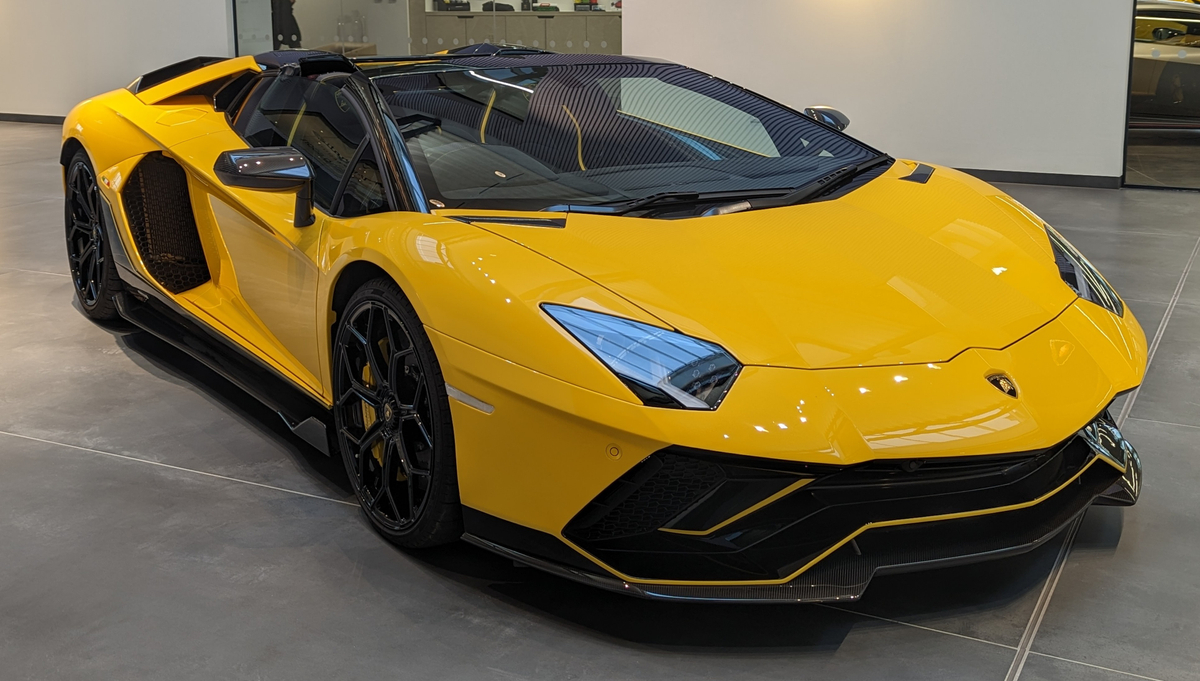
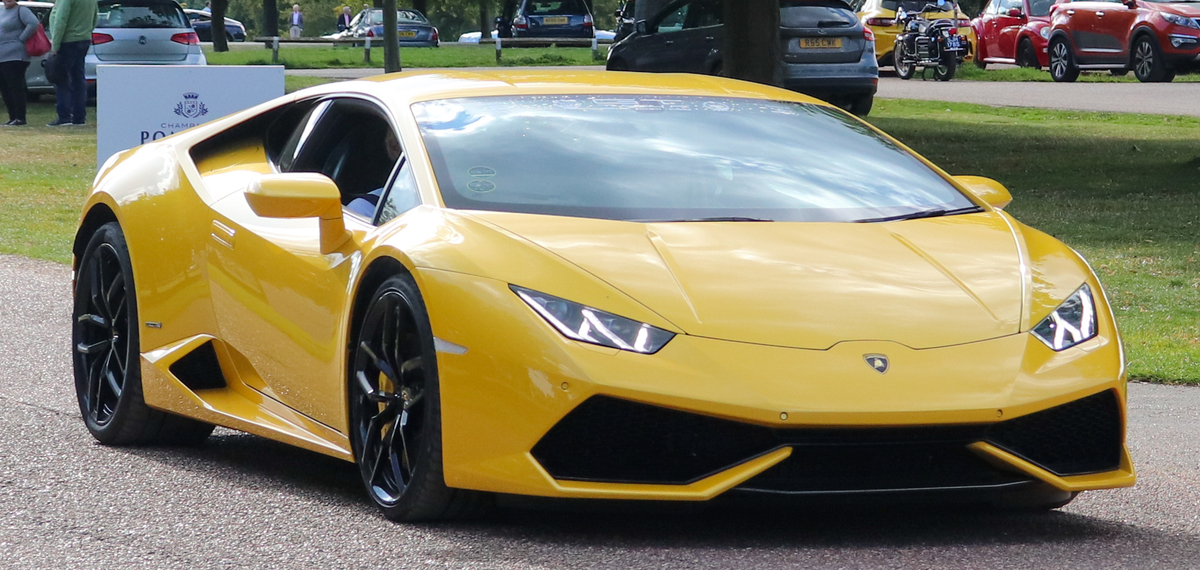

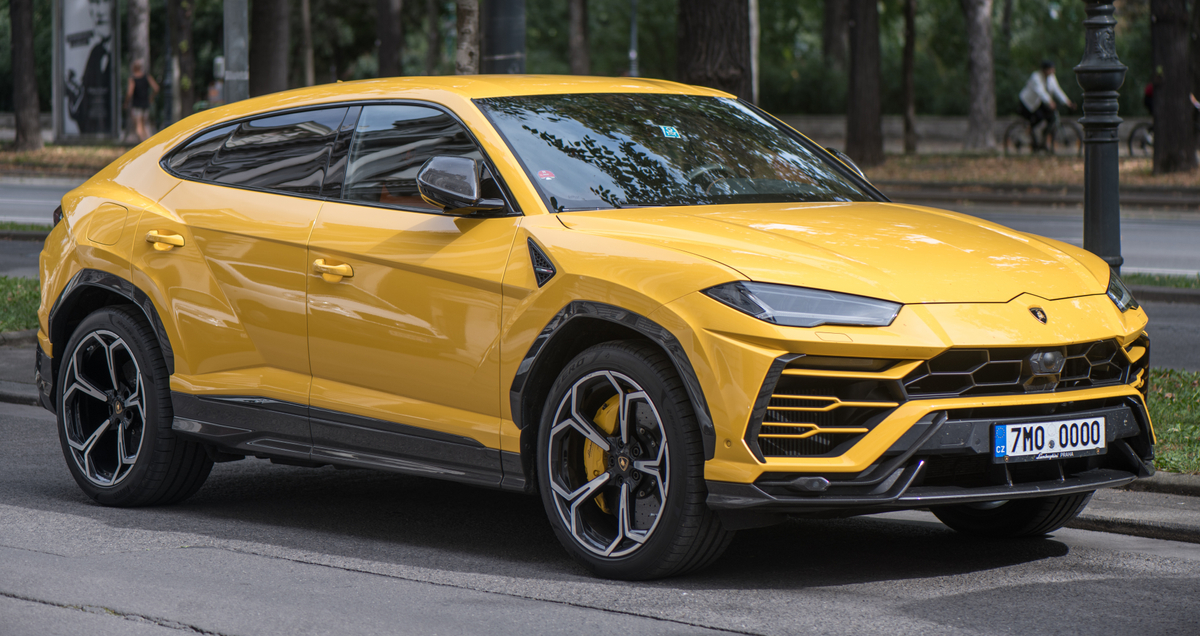
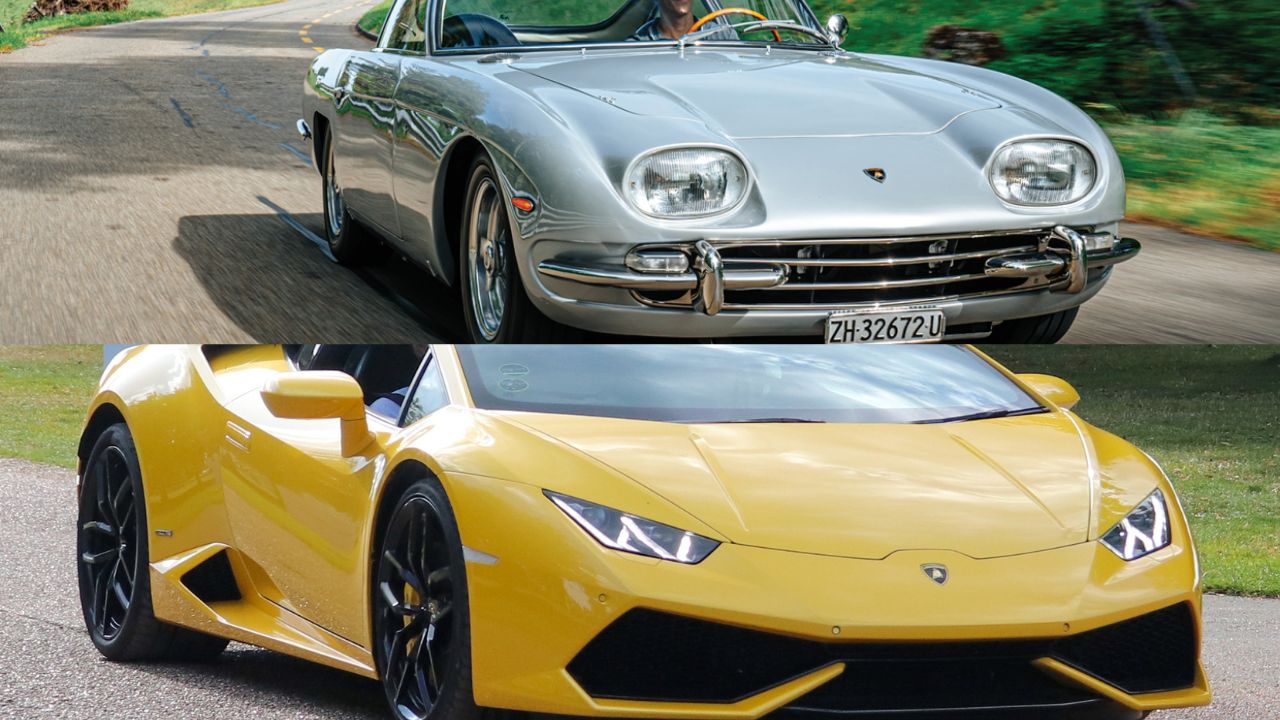
Lamborghini embraced innovation without compromising its DNA. The Aventador (2011) introduced a carbon-fiber monocoque, while the Huracán (2014) featured hybrid tech. The limited-edition Sián (2019) debuted supercapacitor hybrid technology, and the Revuelto (2023) marked Lamborghini’s first plug-in hybrid. Meanwhile, the Urus SUV (2017) shattered sales records, proving luxury and performance could coexist.
Lamborghini’s Cultural Impact
- Pop Culture Icon: Featured in films like The Cannonball Run and video games like Need for Speed.
- Racing Legacy: Limited motorsport involvement but dominated with the Huracán Super Trofeo in GT racing.
- Design Philosophy: Bold lines, aggressive aerodynamics, and theatrical elements like scissor doors.
Key Innovations That Shaped the Industry
- Mid-Engine Layout: Popularized by the Miura, now standard in supercars.
- Carbon Fiber Chassis: Pioneered in the Countach Evoluzione prototype (1987).
- Hybrid Technology: The Sián’s supercapacitor system outperformed traditional batteries.


💬 Leave a Comment
📝 Recent Comments
No comments yet! Be the first one to comment.