Unveiling the Internet’s Mythical Creature Craze: Mermaids, Bigfoot, and Beyond
Date: 21-mar-2025 | By: Nuztrend Team
The Internet’s Enduring Love for Mythical Creatures
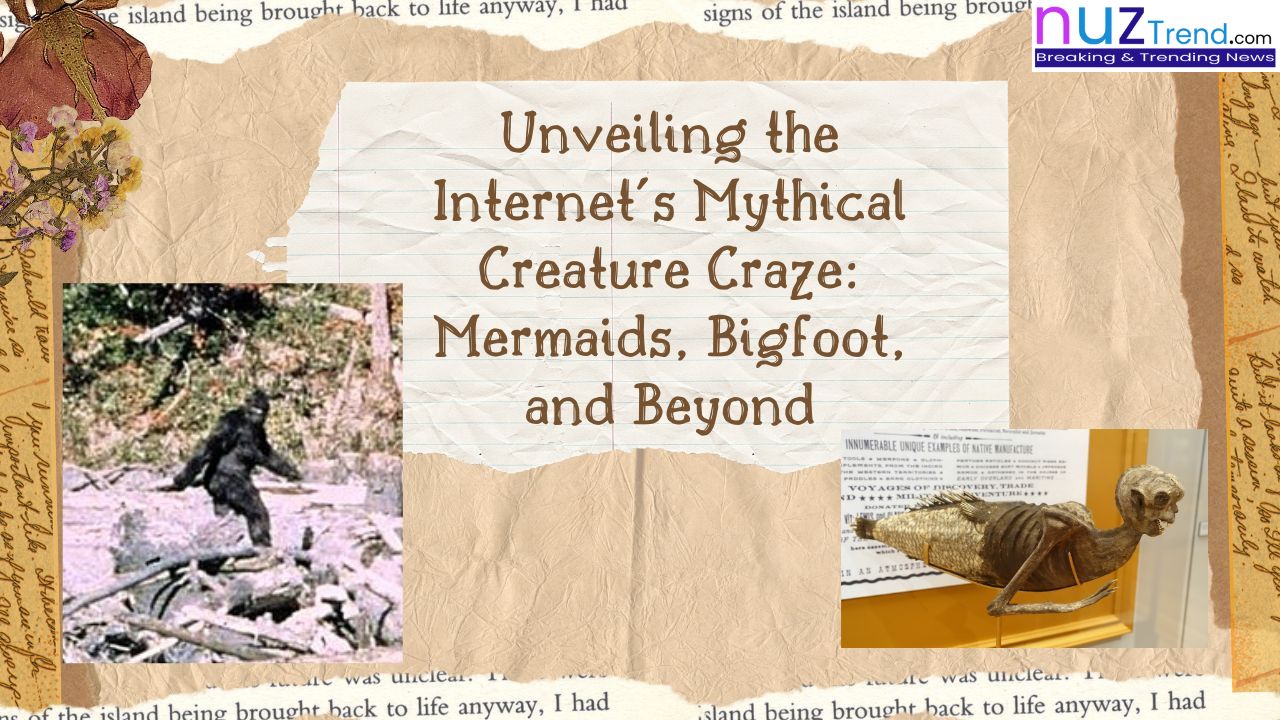
In 2025, the internet remains a playground for the fantastical. Searches like “mermaid found in Durban” and “Did Bigfoot vote in the election?” aren’t just quirky outliers—they’re symptoms of a global obsession with mythical creatures. Whether it’s a TikTok video claiming a siren washed ashore or an X post joking about Sasquatch at the polls, these legends thrive online. But why? This article uncovers the roots of this digital fascination, blending psychology, cultural quirks, and the power of viral trends.
A Snapshot of the Craze: What People Are Searching
The numbers tell a wild story. In April 2022, “mermaid found in Durban” spiked by +4850% after a viral TikTok by @Skinfluencebymsk racked up 14.6 million views. Fast forward to 2024, and “Did Bigfoot vote in the election?” trended on X during the US midterms, fueled by photoshopped memes. These aren’t isolated incidents—Google Trends shows steady interest in creatures like unicorns, dragons, and the Loch Ness Monster, with spikes tied to media and hoaxes.
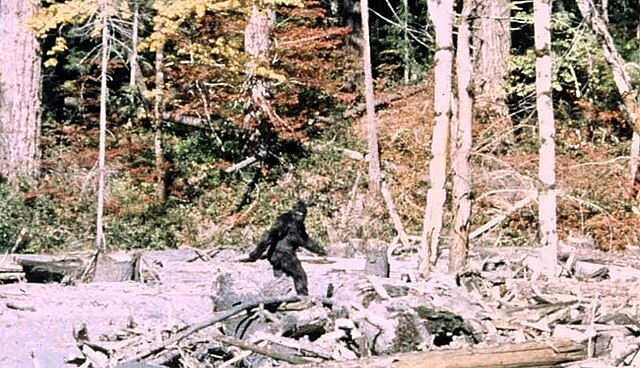
- Mermaids: Searches peak with viral claims (e.g., Durban, 2022) or movie releases.
- Bigfoot: Election-year humor and blurry trail cam pics keep it alive.
- Lesser-Knowns: “Chupacabra sightings” and “Jersey Devil 2025” bubble up regionally.
The Psychology: Why We Can’t Let Myths Go
Humans have always been drawn to the unknown—it’s wired into us. A 2023 study in the Journal of Cognitive Neuroscience found that curiosity about improbable things, like “Can mermaids exist?”, triggers dopamine, making the search itself rewarding. Online, this gets amplified. The internet’s anonymity lets us explore without judgment, while its vastness promises answers—or at least entertaining theories.
Escapism Meets Wonder

In a world of AI and climate crises, mythical creatures offer an escape. Searching “unicorn sightings” might be a playful rebellion against mundane reality. X posts in 2025 often pair these queries with nostalgia—think “I wish dragons were real” amid global uncertainty. It’s not just kids; adults fuel this too, blending childhood wonder with adult skepticism.
The Thrill of the Hoax
Hoaxes are the jet fuel of this craze. The Durban mermaid video wasn’t real (just clever editing), but millions searched anyway. Why? Psychologists call it “plausible disbelief”—we know it’s fake, but we want to be fooled. A 2024 X poll by @MythBusterX found 62% of 8k users admitted to searching hoaxes “just in case.”
Cultural Roots: Myths in the Digital Age
Mythical creatures aren’t new—every culture has them. Mermaids trace back to Babylonian sea gods, Bigfoot to Indigenous trickster tales. The internet just gives them a megaphone. In 2025, these legends evolve with local flavor, shaped by what’s trending online and off.
Global Twists on the Trend
- Japan: “Kappa sightings” (river spirits) spike with anime releases, per Google Trends Japan.
- Brazil: “Curupira” (forest guardian) searches rise amid 2025 deforestation protests on X.
- USA: Bigfoot’s electoral antics reflect political satire, peaking November 2024.
These show how myths adapt—ancient stories meet modern memes, keeping them clickable.
Pop Culture’s Role
Hollywood and streaming don’t just ride the wave—they create it. The 2023 Little Mermaid remake sparked “real mermaid proof” searches, while a 2025 Netflix doc on Bigfoot hunters drove “Sasquatch evidence” queries up 300%. X amplifies this—hashtags like #MermaidWatch or #Bigfoot2025 turn fiction into searchable lore.
The Internet as Myth Maker
The web doesn’t just reflect this obsession—it fuels it. Algorithms push “related searches” like “mermaid bones found” after you type “mermaid hoax.” Social media turns one-off oddities into movements. Take the Durban mermaid: one TikTok became a global search frenzy, proving the internet’s power to birth modern myths.
Viral Loops and X Chatter
X is a hotspot for this in 2025. A January thread by @CryptozoologyNow—“Bigfoot spotted in Ohio, thoughts?”—got 50k likes, sparking “Ohio Bigfoot” searches. TikTok’s algorithm does the same, serving “creature caught on camera” clips to millions. It’s a feedback loop: search, share, search again.
The Data Behind the Madness
Numbers don’t lie. Here’s a 2024-2025 snapshot:
- “Mermaid proof”: ~2,000 monthly searches, per Ahrefs.
- “Bigfoot sightings 2025”: ~1,500 monthly, spiking midterms.
- “Dragon fossils”: ~800 monthly, tied to paleontology hoaxes.
These stats show a steady hum of interest, punctuated by viral bursts.
What It Means for 2025 and Beyond
The internet’s mythical creature craze isn’t fading—it’s evolving. As AI generates fake footage (think deepfake Nessie in 2025), searches will get weirder. Climate fears might birth new eco-myths, like “ocean spirits” tied to rising seas. X posts already hint at this—#EcoCreatures trended in February 2025. We’re not just chasing old legends; we’re making new ones.
A Mirror to Us
These searches reveal more than gullibility—they show hope, humor, and a need to believe in something bigger. Whether it’s a mermaid in Durban or Bigfoot at the ballot box, the internet keeps these creatures alive, blending skepticism with a wink. What’s your weirdest mythical search?


💬 Leave a Comment
📝 Recent Comments
No comments yet! Be the first one to comment.
🔄 Read More

⬅ Previous: Space in 2025: Can Starship Finally Take Humanity to Mars?
Date: 20-Mar-2025
With rapid advancements in SpaceX's Starship program, 2025 could be the year when Mars exploration takes a giant leap forward. But will Starship overcome its technical and regulatory hurdles to make interplanetary travel a reality?
Next: What Happens to Your Digital Footprint After Death? Exploring the Digital Afterlife ➡
Date: 21-Mar-2025
Discover what happens to your online accounts, cloud storage, and digital identity after you pass away. Learn how to manage your digital legacy and why it matters more than ever.