What Really Happens If You Don’t Sleep for 7 Days? The Science Behind Extreme Sleep Deprivation
Date: 08-may-2025 | By: Nuztrend Team
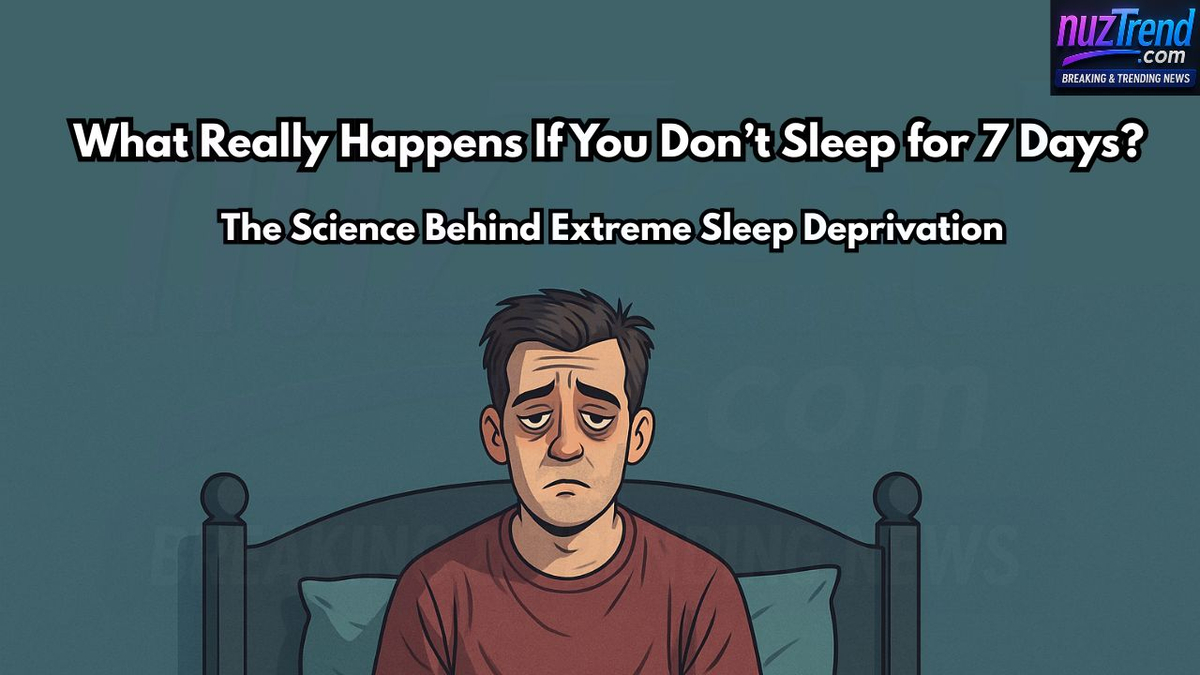
Most people have pulled an all-nighter at some point, whether for work, study, or just binge-watching Netflix. But have you ever wondered what would happen if you skipped sleep entirely for seven days? While it might sound like an experiment in productivity or even curiosity, the human brain and body are not wired to survive without rest.
The First 24 Hours: Running on Empty
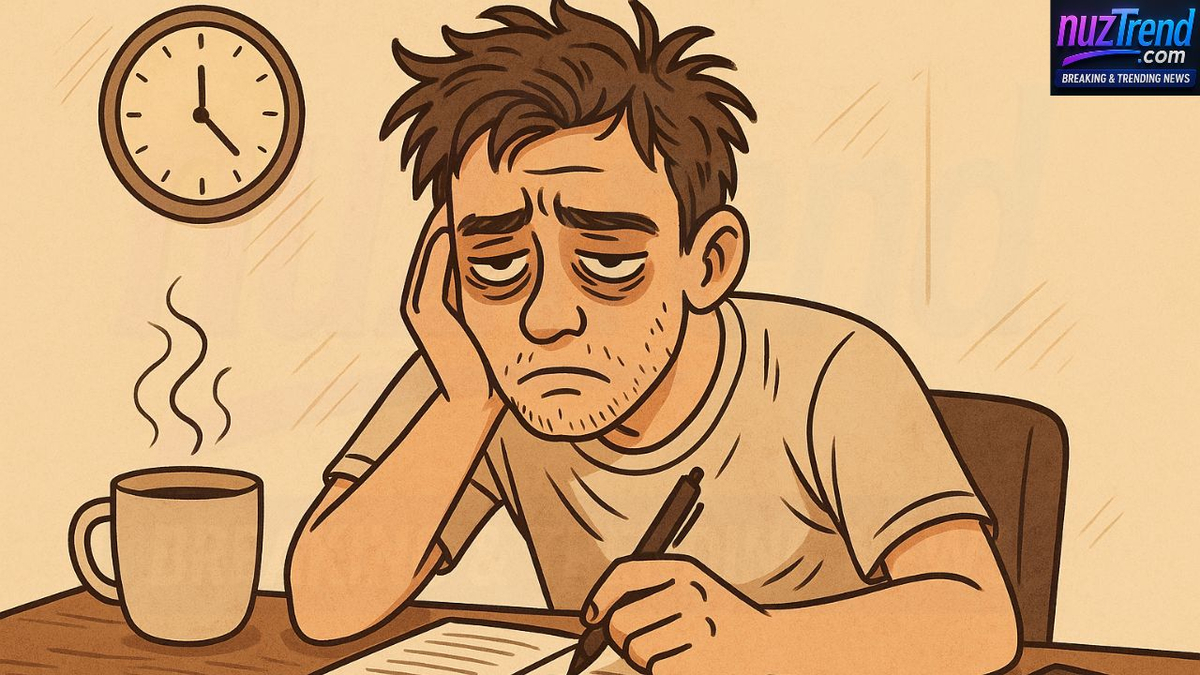
Within the first day of sleep deprivation, your body starts to show signs of stress. You’ll likely feel irritable, unfocused, and less coordinated. Reaction times slow down, and your judgment begins to suffer—similar to the effects of a blood alcohol level of 0.10%, which is legally drunk in many countries.
48–72 Hours: Brain Fog and Microsleeps
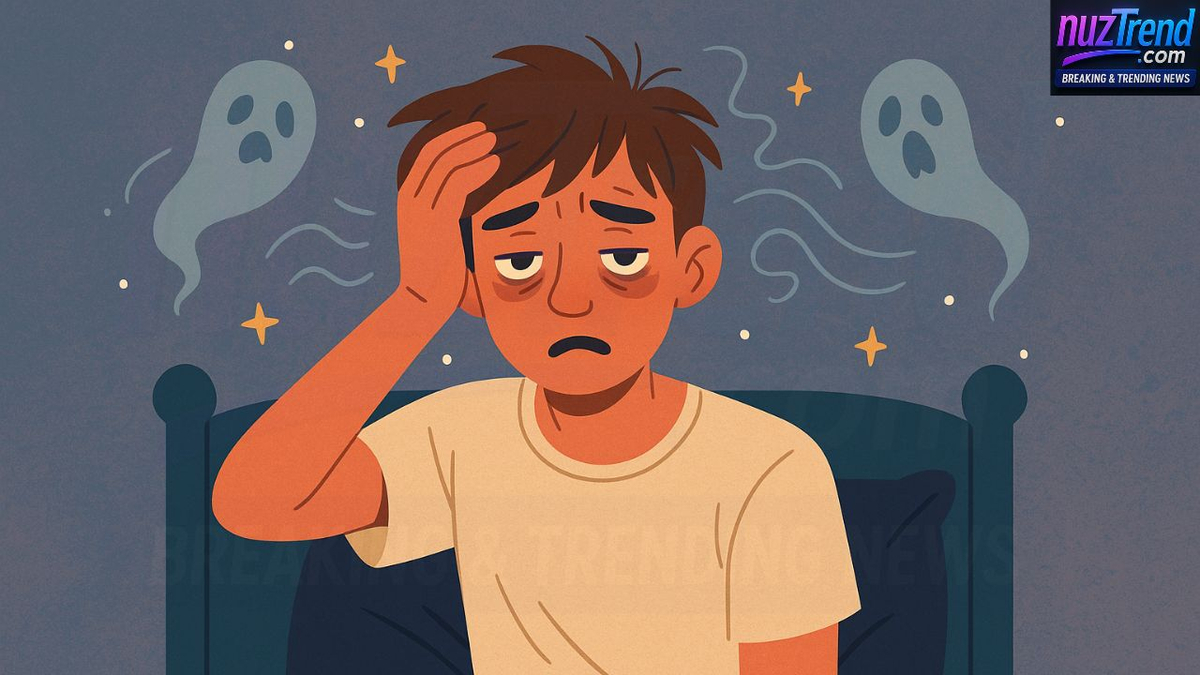
By day two or three, things get a little strange. Your brain will begin to insert microsleeps—tiny blackouts lasting a few seconds—without your control. Hallucinations and mood swings become more likely. Tasks that require memory or concentration start to fall apart. Your body also produces more cortisol, the stress hormone, increasing the risk of blood pressure spikes.
Day 4–5: Hallucinations and Immune Shutdown
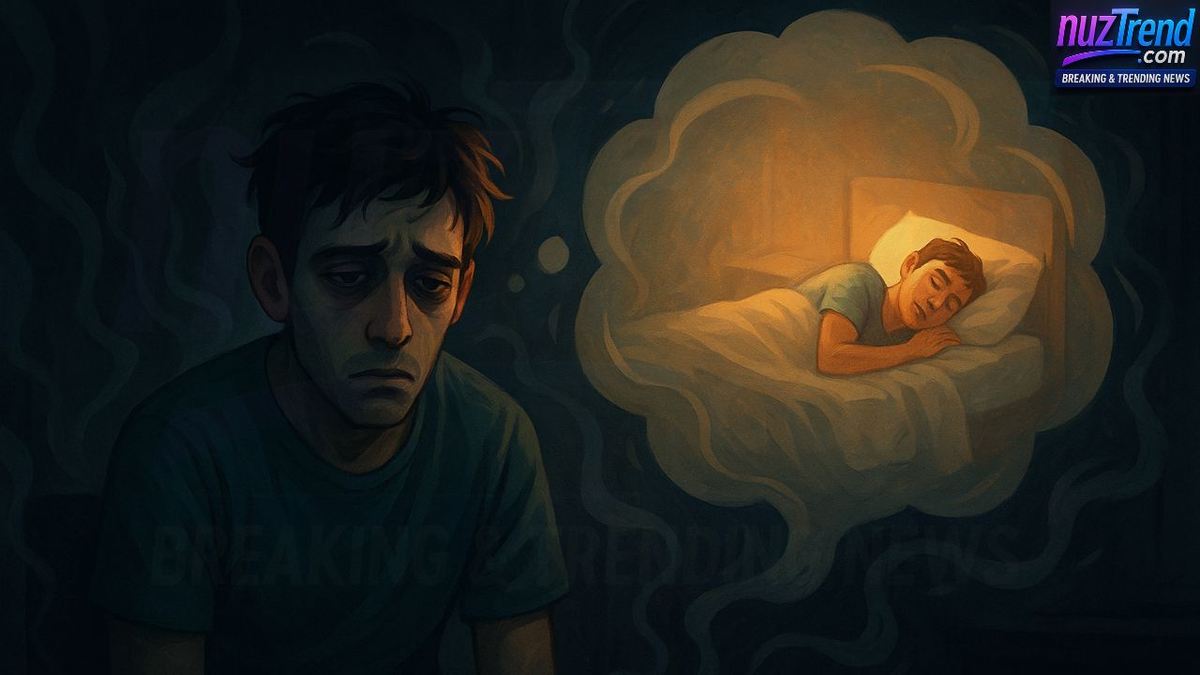
After around 96 hours, most people report seeing or hearing things that aren’t there. This stage mimics psychosis. Your immune system weakens drastically, making you vulnerable to infections. Emotional regulation becomes almost impossible, and paranoia can set in. The body starts breaking down both physically and mentally.
Day 6–7: Total System Breakdown
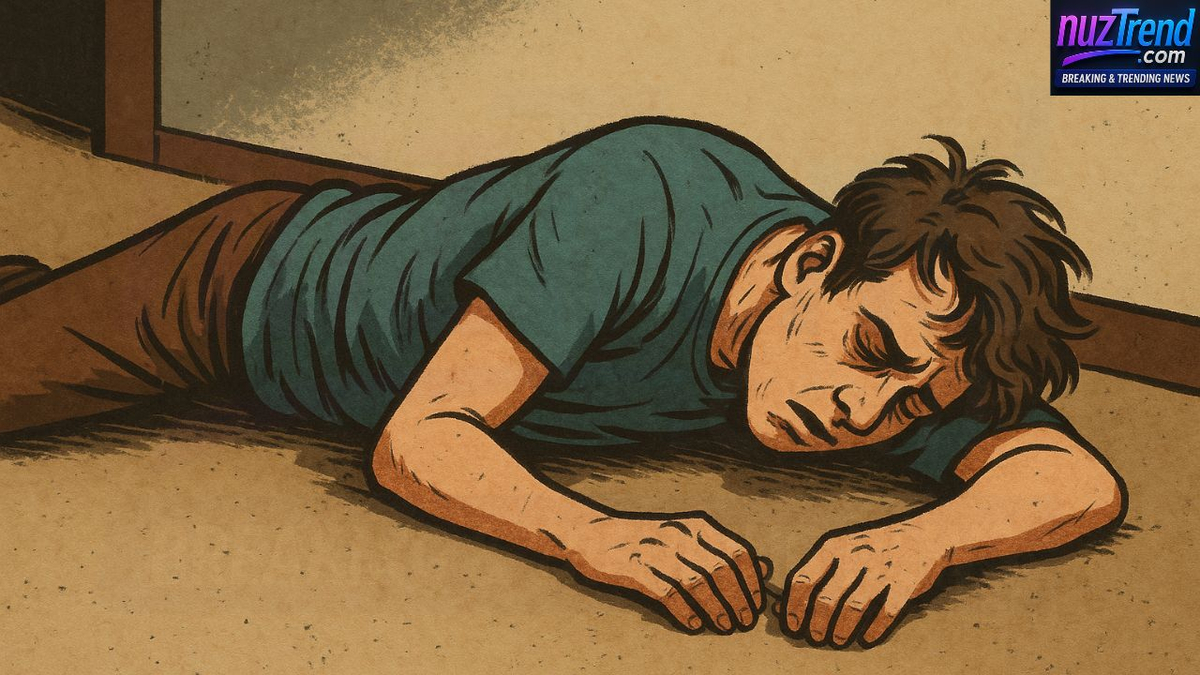
By the sixth or seventh day without sleep, the body is in full-blown crisis. Some people experience intense delusions or even temporary amnesia. Motor skills collapse. Cognitive function drops so low that forming coherent thoughts becomes difficult. At this point, people are at risk for serious health events like heart irregularities, seizures, or fainting episodes. Extended sleep deprivation may also cause long-term brain damage if continued.
Has Anyone Ever Done It?
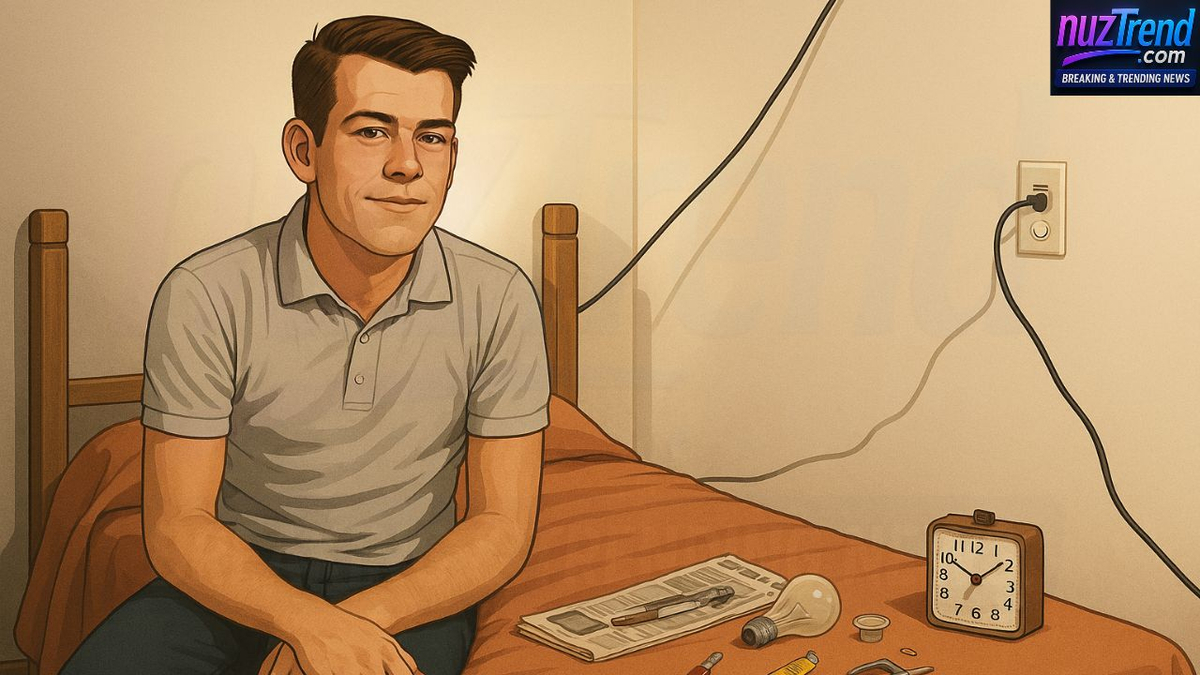
Yes. The most famous documented case is Randy Gardner, a 17-year-old who stayed awake for 11 days in 1964 as part of a school science fair project. While he survived, he experienced severe psychological effects and cognitive impairment. Most modern scientists discourage attempting such experiments due to the health risks involved.
Why Sleep Is Non-Negotiable
- Sleep repairs cells and tissues—essential for physical recovery.
- Brain detoxification—clears out waste that builds during the day.
- Memory consolidation—turns experiences into long-term memories.
- Hormonal balance—regulates everything from hunger to mood.
How to Recover After Sleep Deprivation
If you’ve pulled multiple all-nighters, the good news is that your body can bounce back—but not all at once. You can’t simply "catch up" on sleep in one day. Experts suggest getting back to a regular sleep schedule gradually, staying hydrated, avoiding stimulants like caffeine late in the day, and taking short naps if needed.
Final Thoughts
Going without sleep for a week isn’t just exhausting—it’s dangerous. Your brain, immune system, and emotional stability take serious hits. If you're struggling with insomnia or extreme fatigue, it’s crucial to speak with a medical professional. Sleep isn’t optional; it’s survival.


💬 Leave a Comment
📝 Recent Comments
No comments yet! Be the first one to comment.
🔄 Read More

⬅ Previous: How E = mc² Changed the World: From Einstein’s Discovery to Today’s Science and Tech
Date: 07-May-2025
Explore the full impact of E = mc²—its origin, history, real-world uses, and how it powers modern science, medicine, and energy with long-lasting relevance in today's world.
Next: Your Brain Eats Itself to Stay Healthy: The Fascinating Science of Neural Phagocytosis ➡
Date: 10-May-2025
Yes, your brain literally eats parts of itself—on purpose. Discover how phagocytosis helps your brain stay healthy by removing dead cells and unnecessary connections.