Wed. 25 Feb 2026
☁️ 3°C in Columbus
Date: 03-apr-2025 | By: Nuztrend Team
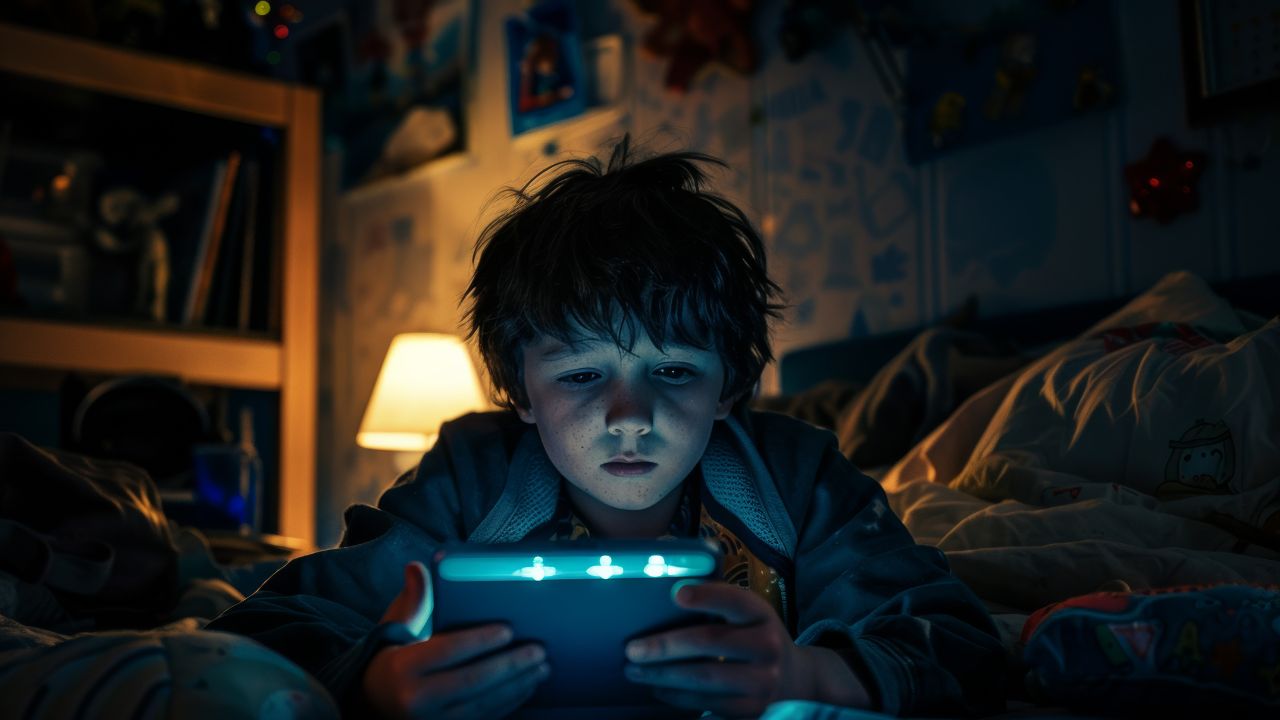
They’re the first generation raised entirely in a digital world. Gen Z—those born between the mid-90s and early 2010s—are fluent in TikTok trends, Instagram aesthetics, and virtual multitasking. But beneath the polished filters and productivity hacks lies an invisible epidemic: screen-induced burnout.
While older generations worry about work-life balance, Gen Z is quietly battling a different beast—screen-life imbalance. The result? Poor sleep, fractured focus, and a creeping sense of disconnection masked by digital noise.
Every night, millions of Gen Zers scroll their way into the early hours, unable to disconnect. Studies have shown that even 30 minutes of screen use before bed can delay sleep cycles and reduce REM sleep—the phase that restores mental clarity and emotional regulation.
“My phone is the last thing I see before I sleep and the first thing I touch when I wake up,” admits Riya, a 22-year-old student. “I didn’t realize how much it was affecting my mornings until I started waking up already tired.”
In theory, Gen Z has mastered the art of doing everything at once—attending Zoom classes while watching YouTube tutorials and replying to WhatsApp pings. But the truth is darker: multitasking doesn’t improve productivity—it fragments it.
Forget alcohol. The modern hangover is digital: dry eyes, cloudy thoughts, a lack of motivation, and the eerie sense that a whole day slipped by in a blur of tabs and feeds. What’s worse, it’s become normalized.
“If I’m not online, I feel like I’m falling behind,” says Jatin, a 19-year-old designer. “But staying online means I’m always tired, always comparing, and rarely focused.”
Gen Z doesn’t need another screen-time tracker—they need a new digital culture. Here are a few shifts that could help:
This isn’t about demonizing technology—Gen Z thrives on connection, innovation, and creativity. But like any powerful tool, it needs boundaries. A generation that learns to control the scroll could become the most balanced, creative, and self-aware one yet.
As digital dependence grows, so does the urgency for a cultural reset. The good news? Gen Z is uniquely positioned to lead the charge—armed not with rejection of technology, but with a redefinition of how it fits into their lives.
After all, real influence isn’t about being online 24/7—it’s about showing up focused, well-rested, and fully present. And that starts with putting the phone down—just for a little while.


No comments yet! Be the first one to comment.
Date: 03-Apr-2025
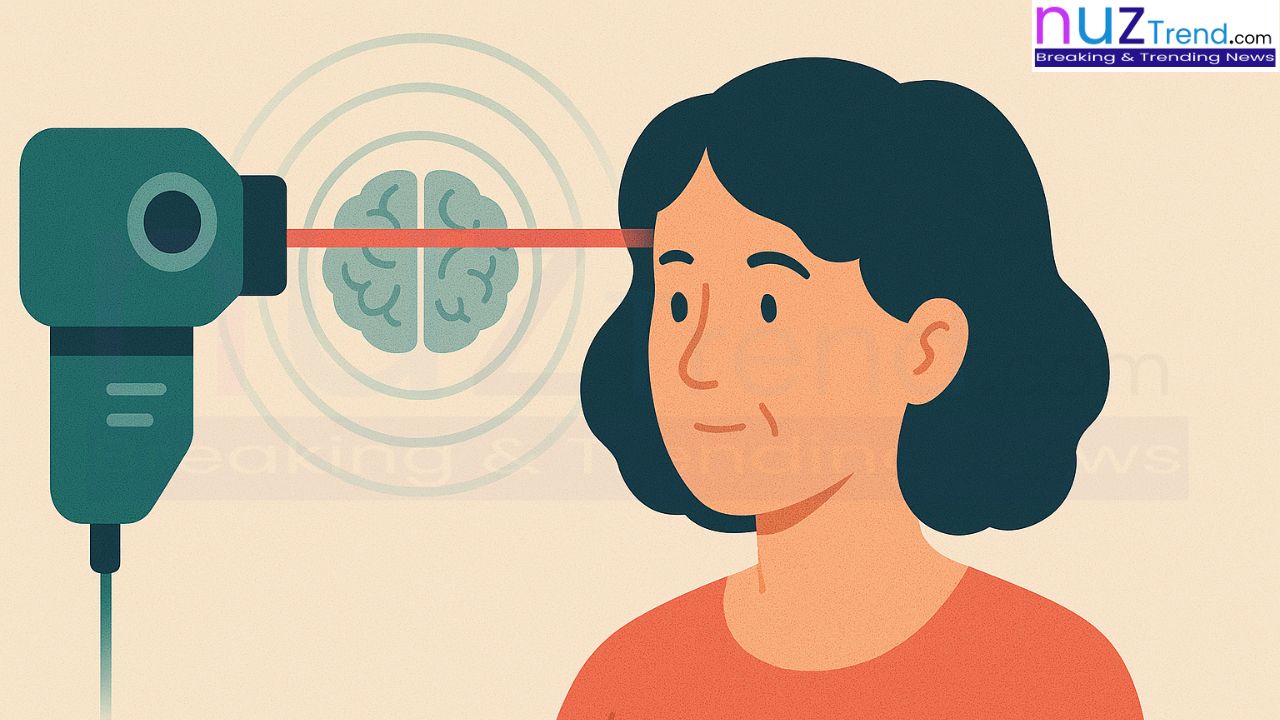
A new laser-based test developed in 2025 can detect signs of dementia years before symptoms appear. The test takes only five minutes and may revolutionize early diagnosis in healthcare.

Date: 04-Apr-2025
Intel and TSMC have reached a preliminary agreement to form a joint venture, with TSMC acquiring a 20% stake to jointly operate Intel’s fabrication plants. The move marks a new chapter in global chip manufacturing.