
Mon. 23 Mar 2026
🌫️ 2°C in Columbus
Date: 22-apr-2025 | By: Nuztrend Team
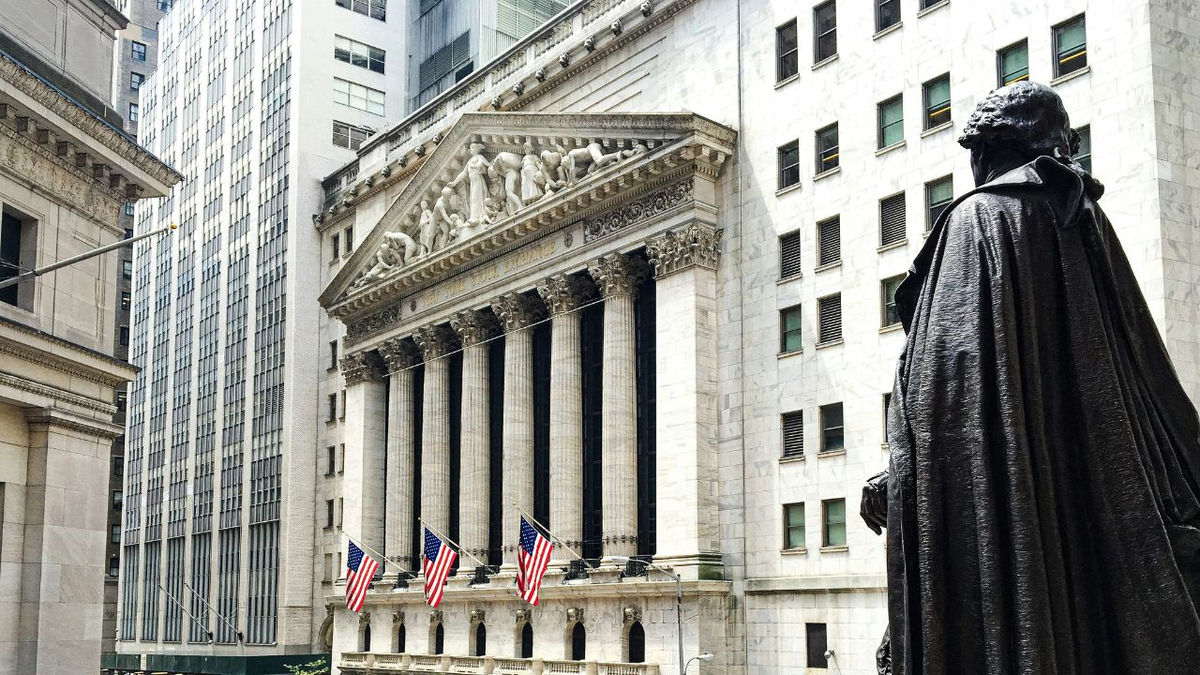
Photo by AXP Photography on Unsplash
Wall Street took a steep dive on Monday after former President Donald Trump launched a fresh round of criticism against Federal Reserve Chair Jerome Powell. The Dow Jones, S&P 500, and Nasdaq all closed with losses exceeding 3%, marking one of the most volatile trading days of 2025 so far.
Trump’s comments, which labeled Powell as a “major loser,” came during a press conference where he urged the Fed to slash interest rates immediately. This renewed attack on the central bank raised fresh doubts about the Fed’s independence, rattling global investors already on edge from inflation concerns and policy uncertainty.
Trump’s remarks have sparked concerns among economists and analysts who fear that political interference could disrupt the Fed’s efforts to stabilize the economy. The former president’s demand for aggressive rate cuts contradicts the Fed's cautious stance aimed at managing inflation without triggering a recession.
“When political pressure overrides data-driven decisions, it erodes credibility,” noted Austan Goolsbee, president of the Chicago Fed, in a separate interview. “Markets crave stability and independence from short-term political motives.”
As stocks dipped and the dollar weakened, investors flocked to traditional safe havens. Gold prices soared to an all-time high, and Treasury yields slid, indicating a broad risk-off sentiment across global markets.
The market reaction underscores how vulnerable investor confidence remains in 2025, especially with looming elections and heightened geopolitical tensions. The Fed’s next policy statement, scheduled for later this month, will likely be closely scrutinized for any shift in tone or approach.
While Trump’s verbal attacks aren’t new, their impact on financial markets this time around highlights how fragile economic sentiment remains. If tensions between political leaders and the central bank continue to escalate, market turbulence may become the new norm.
Until then, investors are bracing for more volatility—and watching the Fed’s every move.


No comments yet! Be the first one to comment.

Date: 22-Apr-2025
U.S. corporations are locking in longer-term currency hedges to protect against market swings caused by global trade uncertainty and Trump's tariff policies.
Date: 22-Apr-2025
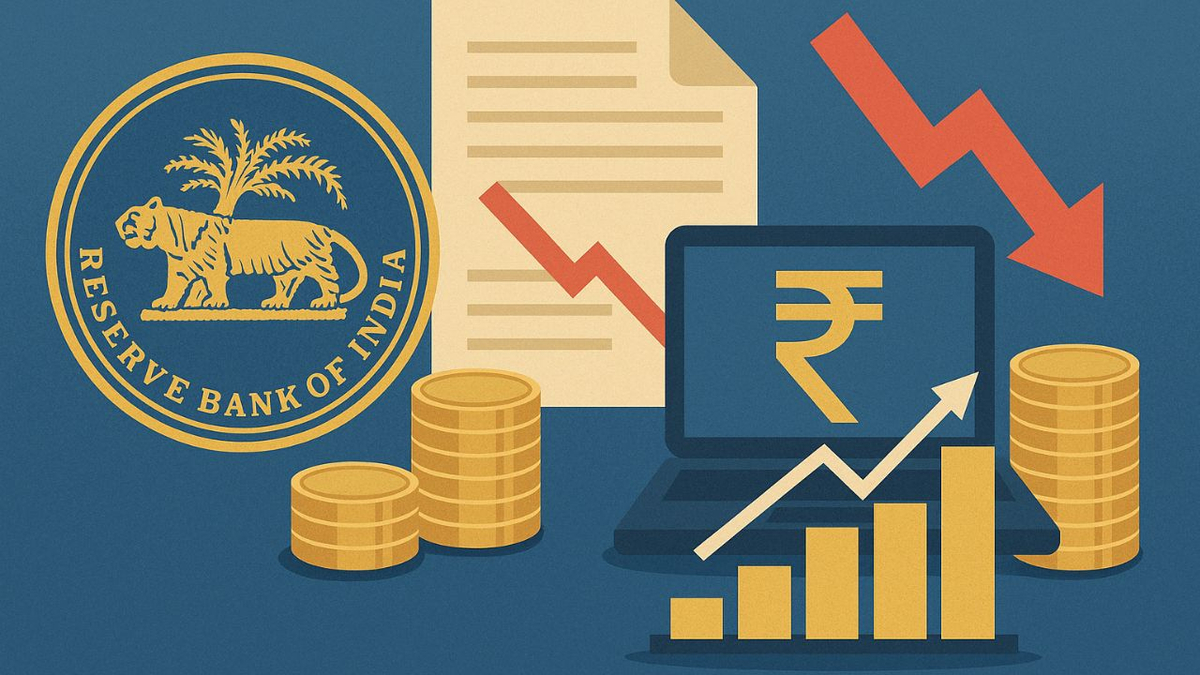
The Reserve Bank of India eases liquidity norms by reducing the buffer rate on digitally linked deposits, potentially injecting ₹2.5–3 trillion into the banking system and boosting credit growth by up to 1.6%.