Mon. 23 Mar 2026
🌫️ 2°C in Columbus
Date: 22-apr-2025 | By: Nuztrend Team

Amid increasing trade uncertainty under President Donald Trump’s economic policies, U.S. multinational corporations are lengthening their currency hedge durations to guard against unpredictable fluctuations in foreign exchange markets. The shift comes as global companies seek more financial stability in the face of escalating tariff tensions and shifting international trade alignments.
The Trump administration’s aggressive trade stance — including the imposition of up to 245% tariffs on Chinese goods and a 10% universal tariff on all imports — has caused sharp movements in currency markets. While a 90-day pause has temporarily eased some pressure, many executives view the broader uncertainty as a long-term risk to financial planning.
“These policies have changed the calculus,” said Laura Kim, CFO of a New York-based tech manufacturer. “We’re extending our hedge windows to protect our bottom line over the next 12 to 24 months, not just quarter to quarter.”
Currency hedging involves using financial instruments such as forward contracts, options, and swaps to offset the potential impact of foreign exchange movements on a company’s revenues and expenses. Traditionally, hedging programs covered 3–6 months, but now many firms are stretching to 12 months or longer.
Industries with significant overseas exposure — including tech, pharmaceuticals, automotive, and manufacturing — are among the most aggressive in locking in forward contracts and longer-dated derivatives.
Besides currency risk, tariff-driven disruptions to global supply chains are also prompting companies to reevaluate sourcing strategies. Businesses with manufacturing partners or customers in Asia and Europe are particularly vulnerable to exchange rate shocks, especially as retaliatory tariffs from China and other regions loom.
“We’re seeing volatility across multiple currencies — from the yuan to the euro — and our clients want predictability in their cost structures,” said Erik Munoz, a senior forex strategist at a leading investment bank. “Longer hedging cycles offer that buffer.”
With trade negotiations still in flux and monetary policies tightening in various regions, analysts expect continued currency instability in the months ahead. That makes strategic hedging a key tool for CFOs seeking to minimize financial uncertainty and ensure resilient cash flow planning.
As the global trade landscape remains unsettled, U.S. multinationals are prioritizing protection over speculation — and hedging deeper into the future to weather the storm.
Source: Reuters


No comments yet! Be the first one to comment.

Date: 21-Apr-2025
India is working to finalize a trade agreement with the U.S. by autumn 2025, amid tariff concerns and high-level bilateral meetings in Washington and New Delhi.
Date: 22-Apr-2025
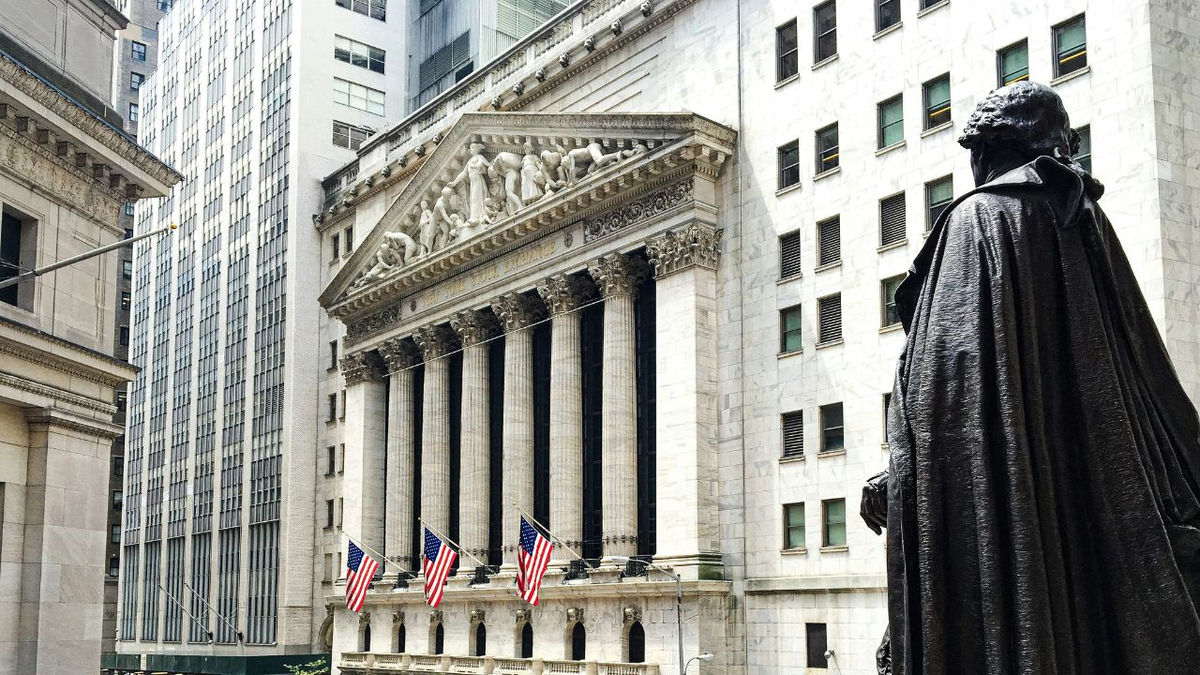
US stocks and the dollar sharply declined after Trump’s fiery remarks about Fed Chair Jerome Powell, fueling market fears and investor uncertainty.