
Why Norwegians Are Skipping Lawn Mowing This May — And Loving It
Date: 08-may-2025 | By: Nuztrend Team
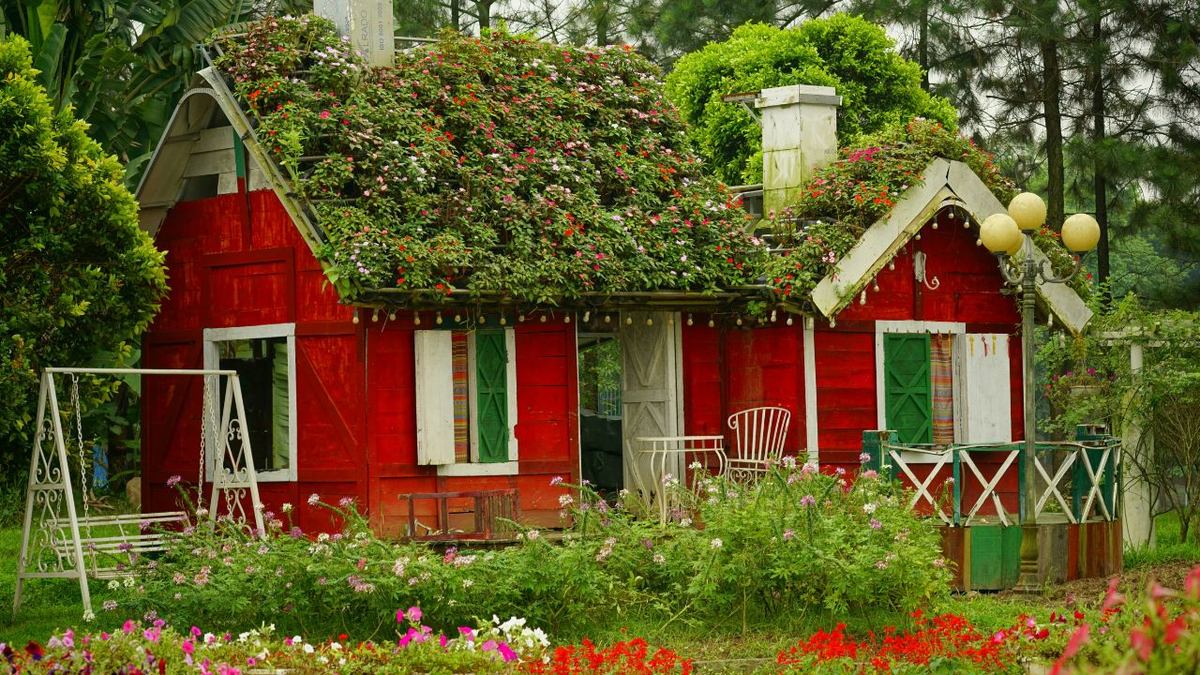
Photo By Duy Le Duc on Unsplash
Across Norway this spring, a quiet yet powerful trend is taking root—residents are putting away their lawnmowers and letting nature take the lead. From suburban yards to the heart of downtown Oslo, lawns are being left to grow wild with dandelions, clover, and native weeds flourishing in the warming air. It’s not just about skipping a chore—it’s about saving the planet, one unmowed lawn at a time.
“Don’t Cut Your Grass in May”: A Growing Call
The call to action, amplified by Norway’s leading newspaper Aftenposten and environmental groups like WWF, is simple: let your grass grow. As spring temperatures soar beyond seasonal norms—up to 4°C warmer than average in April—flowers and insects are arriving earlier. That’s especially good news for pollinators like bees and butterflies that rely on blooming wild plants to feed and thrive.
“It’s a matter of ecological responsibility,” wrote Aftenposten in an unusually relaxed editorial, urging readers to see their wild yards as a contribution to biodiversity. “Bumblebees and butterflies need flowers to land on, not closely clipped lawns.”
Why Letting Your Lawn Grow Matters
- Provides essential food sources for pollinating insects during their most active season.
- Promotes natural growth of native wildflowers like clover, dandelions, and buttercups.
- Supports urban biodiversity, even in densely populated neighborhoods.
- Reduces noise pollution and energy use from lawn maintenance.
In Oslo’s Vika neighborhood, for instance, well-kept gardens are now sprinkled with golden blooms and buzzing with insect life. Municipal grounds around public buildings are also being left untouched, signaling a broader cultural shift toward embracing natural growth cycles.
Climate Change and Early Blooms
This new approach isn’t just about aesthetics or laziness—it’s rooted in science. Meteorologists report that southern Norway experienced temperatures 2–4°C higher than average this spring. The result? Cherry blossoms appeared weeks ahead of schedule, apple growers in Hardanger are bracing for an early harvest, and lilacs are blooming before mid-May.
Also Read


“We’re seeing seasonal changes that affect everything from insects to agriculture,” said a spokesperson from the Norwegian Meteorological Institute. “A longer growing season gives more opportunities for pollinators, but it also increases vulnerability to late frost.”
Garden Guilt Is Out, Mindful Relaxation Is In
If you’re in Norway and your neighbors' yards are filled with knee-high clover, don’t fret. You're witnessing a conscious effort to protect the ecosystem. As Aftenposten wisely suggested, “Instead of feeling guilty about an unmowed lawn, simply pull out a garden chair, sit in the sun and listen to the buzzing.”
While robot lawnmowers are still a popular fixture in many Norwegian households, more homeowners are realizing that pressing pause—even temporarily—has long-term ecological benefits. The consensus? Mowing can wait until June.
What Other Countries Can Learn
Norway’s “No Mow May” movement may be rooted in Nordic climate and culture, but the principles are universal. With pollinator populations declining globally, even a small patch of uncut lawn can serve as a haven for biodiversity. The message is clear: give nature a chance, and it might just reward you with a livelier, greener spring.


💬 Leave a Comment
📝 Recent Comments
No comments yet! Be the first one to comment.
🔄 Read More

⬅ Previous: India Briefs All-Party Leaders Following 'Operation Sindoor' Strikes on Pakistan Terror Sites
Date: 08-May-2025
India's government convenes an all-party meeting to discuss 'Operation Sindoor,' detailing precision strikes on terror targets in Pakistan and Pakistan-occupied Kashmir after the Pahalgam attack.
Next: Denmark Summons U.S. Ambassador Over Greenland Spying Allegations ➡
Date: 08-May-2025
Denmark has summoned the U.S. ambassador following reports of alleged American spying activities in Greenland, raising concerns over sovereignty, trust, and Arctic interests.