
Trump’s April 2 Reciprocal Tariff Plan – What It Means for U.S. Trade & Global Markets
Date: 17-mar-2025 | By: Nuztrend Team
Trump’s Reciprocal Tariff Plan Set for April 2 – A Turning Point in U.S. Trade Policy
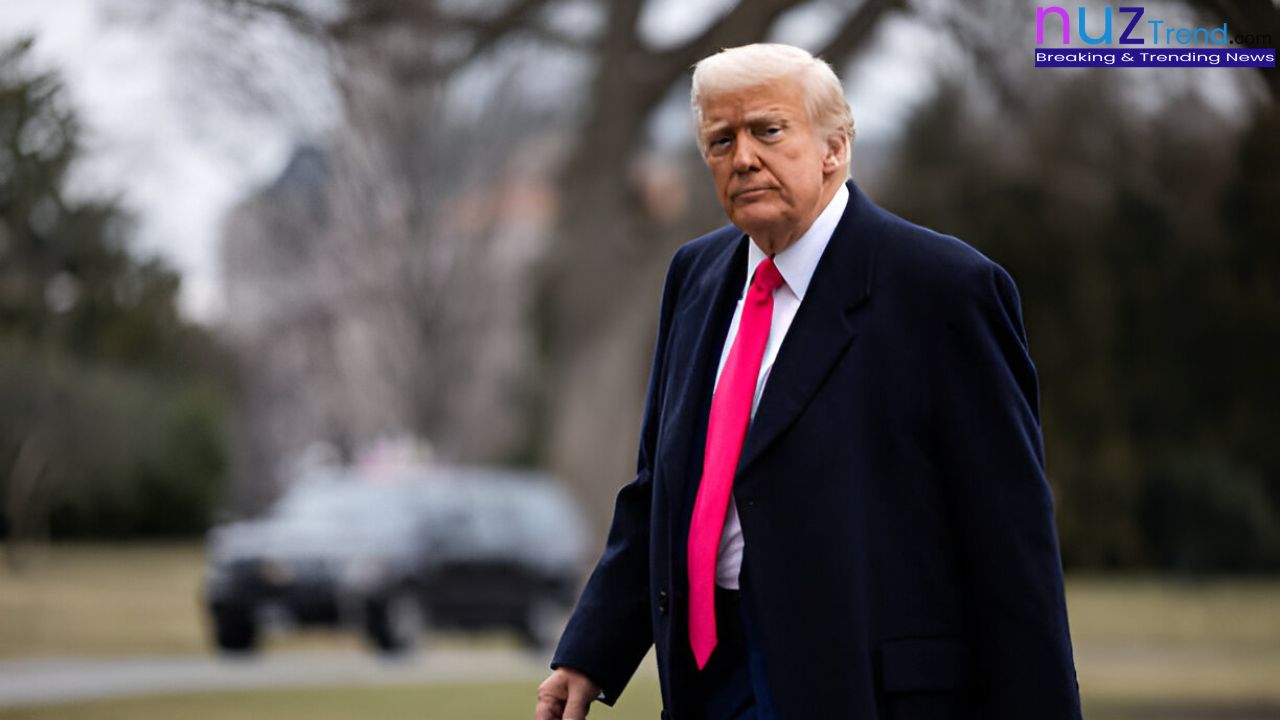
President Donald Trump has confirmed that his reciprocal tariff plan will take effect on April 2, 2025. He has called it a ‘liberating day for the U.S.’, aiming to address long-standing trade imbalances by imposing equivalent tariffs on nations that tax American goods.
What is the Reciprocal Tariff Plan?
The reciprocal tariff policy ensures that if a foreign country imposes higher tariffs on U.S. exports, the United States will apply the same percentage tariff on imports from that country. Trump argues that this measure is necessary to protect American businesses and create a fairer global trading system.
Key Features of the Tariff Plan
Scope of the Tariffs
The tariffs will primarily target nations imposing higher-than-average trade duties on U.S. products. This means countries that charge excessive tariffs on American imports will face equal retaliation from the U.S.
- U.S. tariffs will now match those imposed by foreign nations on American exports.
- Specific duties will be introduced on critical sectors such as automobiles, pharmaceuticals, and semiconductor chips.
- Countries with excessive trade barriers will face additional penalties.
Industries Affected
Several industries are expected to feel the impact of Trump’s tariff policy. The most affected sectors include:
- Automobile Industry – The U.S. will introduce a 25% tariff on imported cars.
- Technology Sector – Higher duties will be imposed on semiconductor chips imported from China and Taiwan.
- Pharmaceuticals – Trump has hinted at higher tariffs on foreign drug imports, impacting companies from India and Europe.
- Steel and Aluminum – Canada will face a 50% tariff on steel and aluminum exports to the U.S.
Global Reactions to the Reciprocal Tariff Plan
Canada's Response
The U.S. has imposed a 50% tariff on Canadian steel and aluminum exports, leading to tensions between the two nations. Canada is considering retaliatory measures in response.
European Union's Concerns
The EU is also expected to face tariffs, including a proposed 200% duty on European wines and champagne. European leaders have criticized the policy, warning of potential trade conflicts.
Also Read

Economic Experts on the Tariff Policy
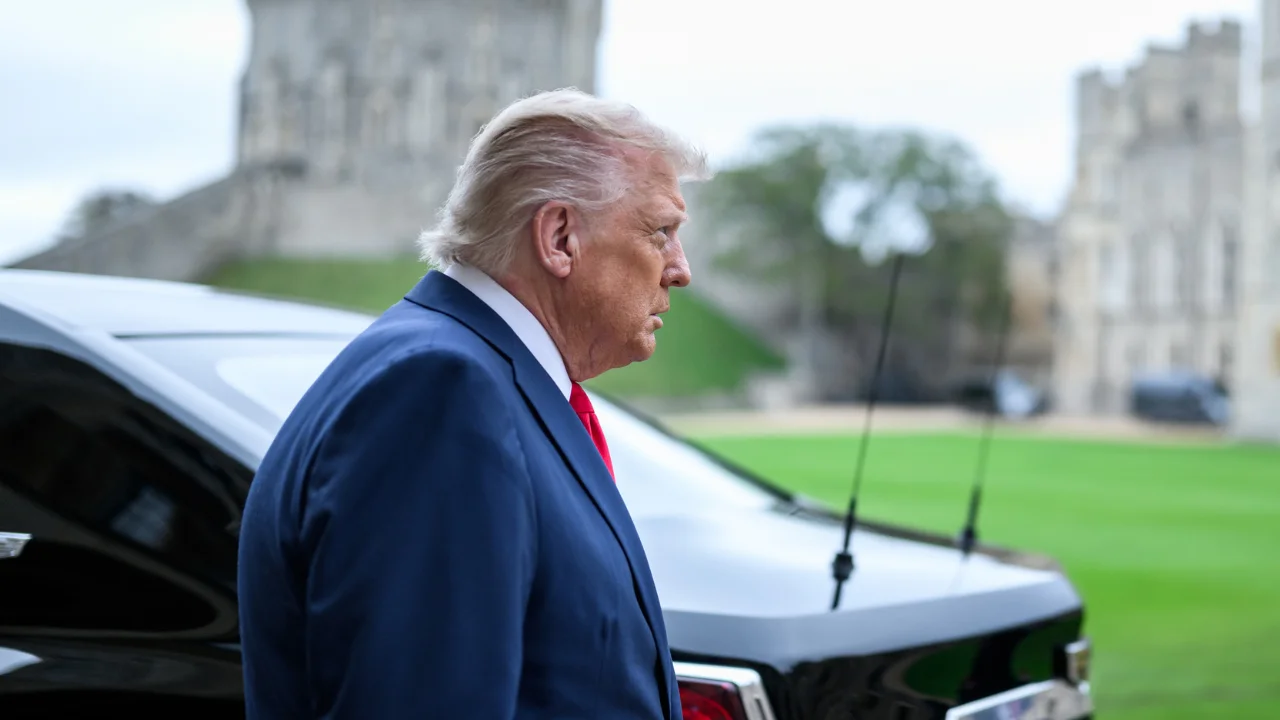
Economists and market analysts have mixed opinions on the policy. While some believe it will protect American industries, others fear that the move could escalate trade wars and create market instability.
- Some experts warn of global trade retaliation, which could increase costs for American consumers.
- Financial markets have already reacted with fluctuations due to trade uncertainties.
- U.S. businesses importing raw materials may face higher operational costs due to increased tariffs.
Political and Economic Implications
The reciprocal tariff plan is a key component of Trump's trade agenda as he prepares for the upcoming elections. It is aimed at strengthening the domestic economy by reducing the trade deficit.
Key Takeaways
- The U.S. will impose equal tariffs on countries that charge high duties on American goods.
- Major sectors like automobiles, pharmaceuticals, and tech will be impacted.
- Countries like Canada and the EU are expected to retaliate.
- Financial markets are showing signs of volatility ahead of the April 2 deadline.
Final Thoughts
As the April 2 deadline approaches, the world is watching to see how the reciprocal tariff plan will shape global trade. While Trump sees this as a ‘liberating day for the U.S.’, it remains to be seen how businesses, trading partners, and consumers will react.
Stay tuned for further updates on U.S. trade policies and their global impact.


💬 Leave a Comment
📝 Recent Comments
No comments yet! Be the first one to comment.
🔄 Read More
⬅ Previous: Trump-Putin Call on Russia-Ukraine Peace Talks – Ceasefire Updates & Analysis
Date: 17-Mar-2025
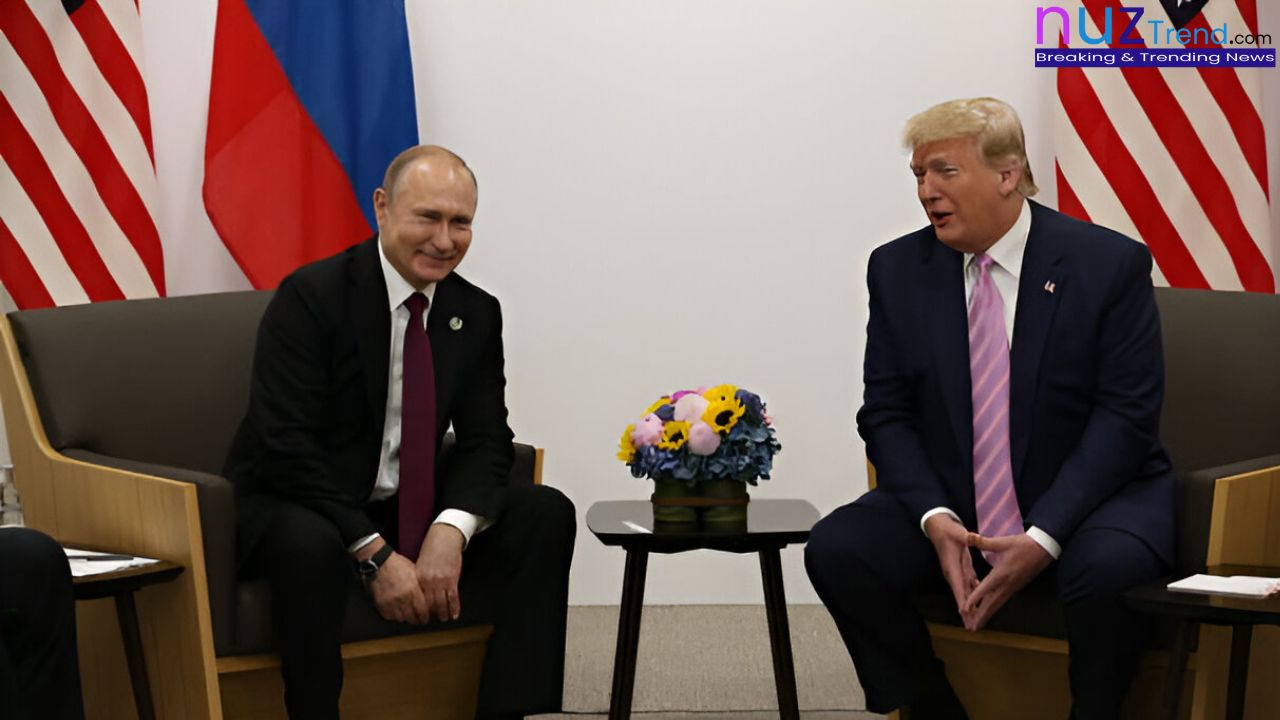
Donald Trump and Vladimir Putin are set to discuss a potential Russia-Ukraine ceasefire this week. Get the latest updates on their conversation, key negotiation points, and global reactions.
Next: SBI Report: India to Benefit Amid Global Tariff Uncertainty & U.S. Trade Policies ➡
Date: 17-Mar-2025
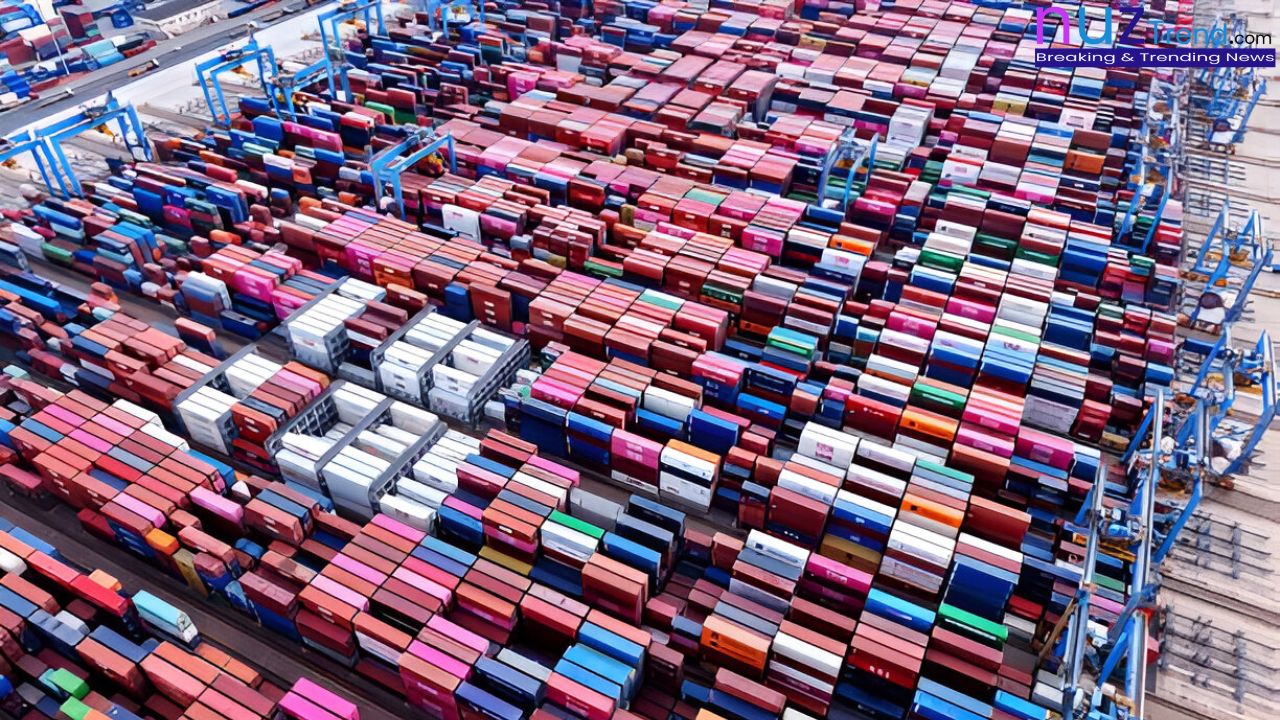
An SBI Research report highlights that India is well-positioned to navigate global trade shifts and U.S. reciprocal tariffs, thanks to export diversification and Free Trade Agreements.