
How U.S. Tariffs on Imports Are Shaking Global Trade in 2025
Date: 06-apr-2025 | By: Nuztrend Team

The United States has once again taken a dramatic turn in its trade policy under President Donald Trump, who announced a blanket 10% tariff on all imported goods entering the country. Additionally, select countries—primarily in Asia—will face reciprocal tariffs between 20% and 50% starting April 9, 2025.
Major Asian Economies Among the Worst Hit
China, South Korea, India, Taiwan, and Japan are among the nations facing the brunt of these new tariffs. The decision, which has been labeled by economists as “unprecedented in scope,” is expected to directly impact billions in trade value and strain diplomatic relations.
- India faces a 26% tariff, targeting major exports like pharmaceuticals and textiles.
- China is slapped with a 35% duty on electronics and steel exports.
- Japan and South Korea see rates exceeding 40% on automobiles and machinery.
- Taiwan, a key chip exporter, is hit with levies of up to 50%.
Global Market Instability and Rising Costs
Stock markets across Asia and Europe reacted with sharp declines. Experts warn that the U.S. move could trigger a chain of retaliatory actions from affected countries, further complicating global supply chains and raising costs for consumers worldwide.
In New Delhi, trade officials have expressed concerns that India's GDP growth—projected at 6.7% for FY 2025-26—may drop by at least 30 basis points. The government is now evaluating countermeasures, including targeted duties on select American goods and new trade alliances within Asia and Africa.
International Backlash and WTO Alarm
World Trade Organization (WTO) members have raised objections, stating that such blanket tariffs undermine the foundational rules of global commerce. Trade analysts believe that prolonged enforcement could isolate the U.S. from key markets and lead to long-term damage to its international credibility.
Also Read
What Comes Next?
As the April 9 enforcement date approaches, businesses across sectors are rushing to mitigate losses. Multinational corporations are evaluating alternative manufacturing hubs and suppliers to reduce dependency on U.S. trade routes.
While the Trump administration justifies the move as a step toward reducing the trade deficit and boosting domestic production, the global response suggests that the strategy might do more harm than good—both at home and abroad.
Conclusion
The U.S. tariffs in 2025 have become a central talking point in global economic circles. With economic uncertainty mounting, all eyes are on how nations respond and whether diplomacy or further disruption will shape the future of international trade.


💬 Leave a Comment
📝 Recent Comments
No comments yet! Be the first one to comment.
🔄 Read More

⬅ Previous: Denmark Defends Greenland’s Autonomy Amid Renewed U.S. Interest
Date: 05-Apr-2025
Danish PM Mette Frederiksen reaffirms Greenland’s autonomy after reports of U.S. interest in acquiring the island. Greenland’s leadership emphasizes that the island’s future will be decided by its own people.
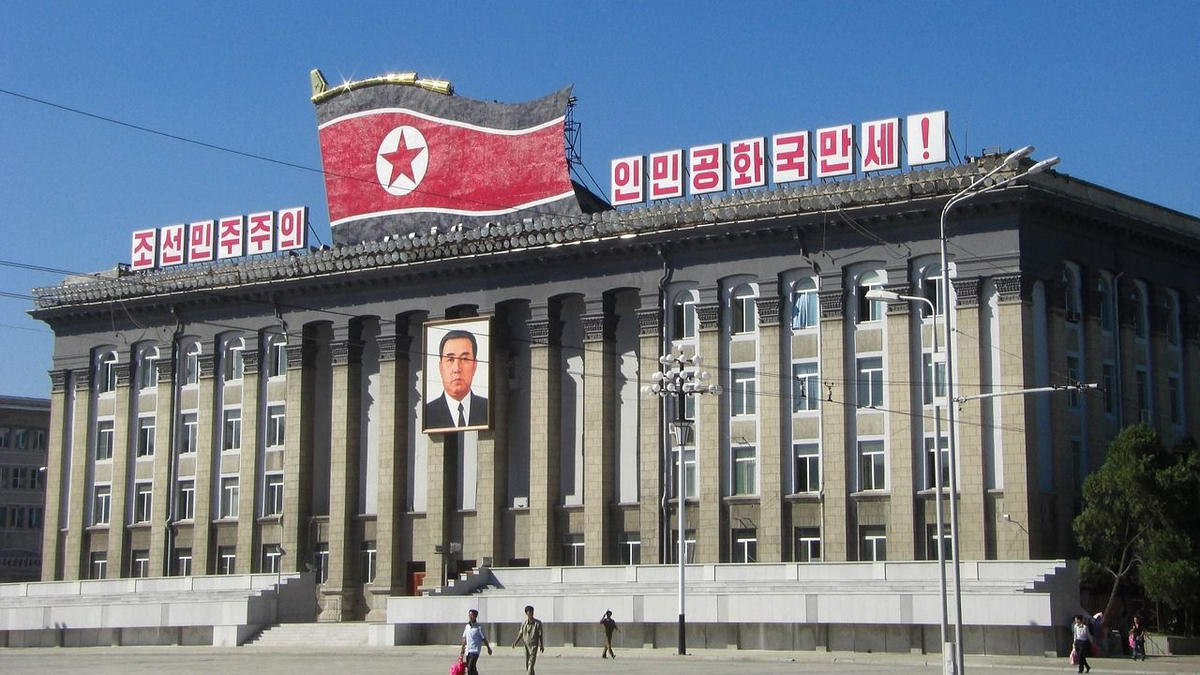
Next: North Korea Reopens Borders with First Pyongyang Marathon Since 2019 ➡
Date: 06-Apr-2025
After six years, North Korea hosts the Pyongyang International Marathon, signaling a cautious reopening of borders post-pandemic. Around 200 foreign runners joined the iconic race.