
How Animals Communicate in Ways Humans Can’t Understand: Exploring Hidden Animal Languages
Date: 22-may-2025 | By: Nuztrend Team

Animals have developed a remarkable variety of communication methods that go far beyond what humans can naturally perceive. From ultrasonic calls inaudible to the human ear to chemical signals imperceptible without specialized equipment, the animal kingdom speaks a language of its own. As scientists uncover more about these unique modes of communication, we gain deeper insight into the complexity of animal behavior and social interaction—reminding us how much remains unknown about life on Earth.
Ultrasonic and Infrasound Communication
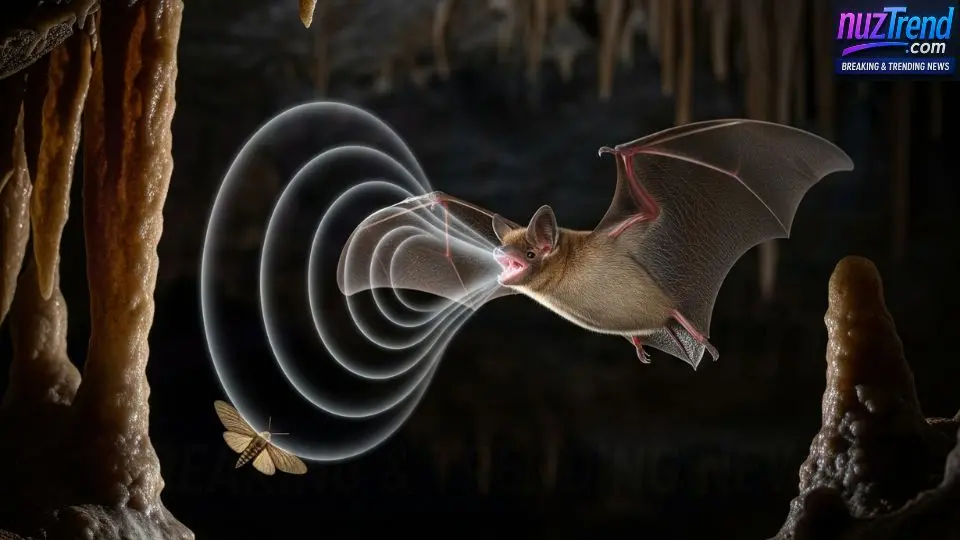
Many animals rely on sound frequencies that humans cannot hear. For example, bats use ultrasonic echolocation to navigate and hunt in total darkness, sending out high-pitched clicks and interpreting the echoes to map their surroundings. Similarly, elephants communicate with each other using infrasound—sounds below the threshold of human hearing—that can travel several kilometers underground or through dense forest.
Chemical Signals: The Language of Scents
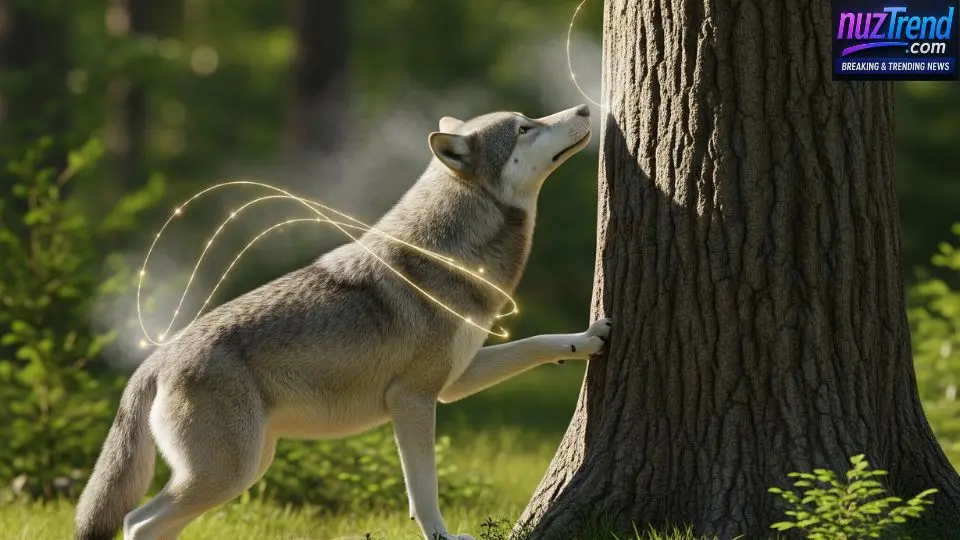
Beyond sound, many species communicate through pheromones and chemical signals that convey information about territory, mating readiness, or danger. Ants leave chemical trails to guide colony members to food sources, while many mammals use scent marking to establish dominance or attract mates. These invisible messages create an intricate chemical network humans can only detect with advanced technology.
Visual and Bioluminescent Signals
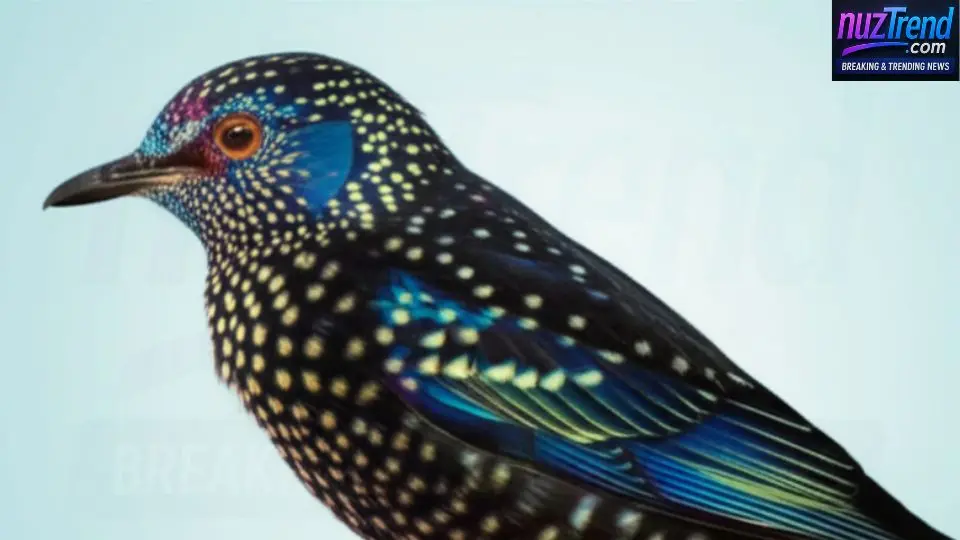
Some animals use visual cues that are beyond typical human perception. For instance, certain species of birds and insects see ultraviolet patterns on feathers or wings that are invisible to the naked eye but essential for attracting mates or signaling danger. Bioluminescence in deep-sea creatures is another fascinating form of communication, using light to convey messages in the pitch-black ocean depths.
Why Understanding Animal Communication Matters

Decoding these hidden languages helps researchers understand animal behavior, social structures, and even environmental changes. Improved knowledge of animal communication can also inform conservation efforts by revealing stress signals or habitat disruption before visible signs appear. As technology advances, we edge closer to fully comprehending the rich, complex languages that wildlife use every day.
Conclusion
The ways animals communicate beyond human senses are diverse and astonishing. From ultrasonic echoes to chemical trails and ultraviolet signals, these hidden languages open a new window into understanding life’s complexity. As science continues to explore these modes of interaction, we can expect to uncover even more mind-blowing secrets of animal communication in the years to come.


💬 Leave a Comment
📝 Recent Comments
No comments yet! Be the first one to comment.
🔄 Read More

⬅ Previous: Beyond Planets: The Disturbing Reality Lurking at the Solar System’s Edge in the Oort Cloud
Date: 16-May-2025
Scientists uncover unsettling truths about the solar system’s boundary inside the heliopause and the mysterious Oort Cloud, challenging everything we thought we knew about our cosmic neighborhood.

Next: The Untold History of the Black Samurai in Feudal Japan: A Remarkable Tale of Valor and Legacy ➡
Date: 27-May-2025
Discover the fascinating story of Yasuke, the Black Samurai in Feudal Japan, whose extraordinary journey defied cultural barriers and left a lasting legacy in Japanese history.