
The Untold History of the Black Samurai in Feudal Japan: A Remarkable Tale of Valor and Legacy
Date: 27-may-2025 | By: Nuztrend Team

The samurai have long been emblematic of Japanese history, representing honor, loyalty, and martial skill. While the image of the samurai is typically associated with ethnic Japanese warriors, few know about Yasuke — the Black Samurai who carved his place in feudal Japan's turbulent era. His story is one of courage, cultural exchange, and breaking racial barriers in the 16th century.
Who Was Yasuke?
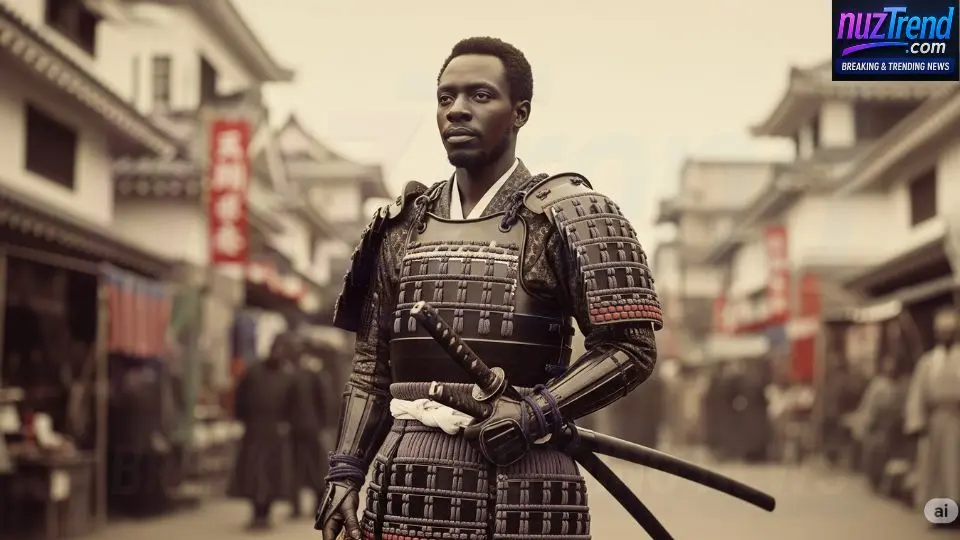
Yasuke was an African man believed to have originated from Mozambique or another part of East Africa. He arrived in Japan in 1579 as a servant or bodyguard to an Italian Jesuit missionary named Alessandro Valignano. At a time when Japan was largely isolated, Yasuke's dark skin and imposing stature made him a curiosity among the Japanese.
Arrival in Japan and First Impressions
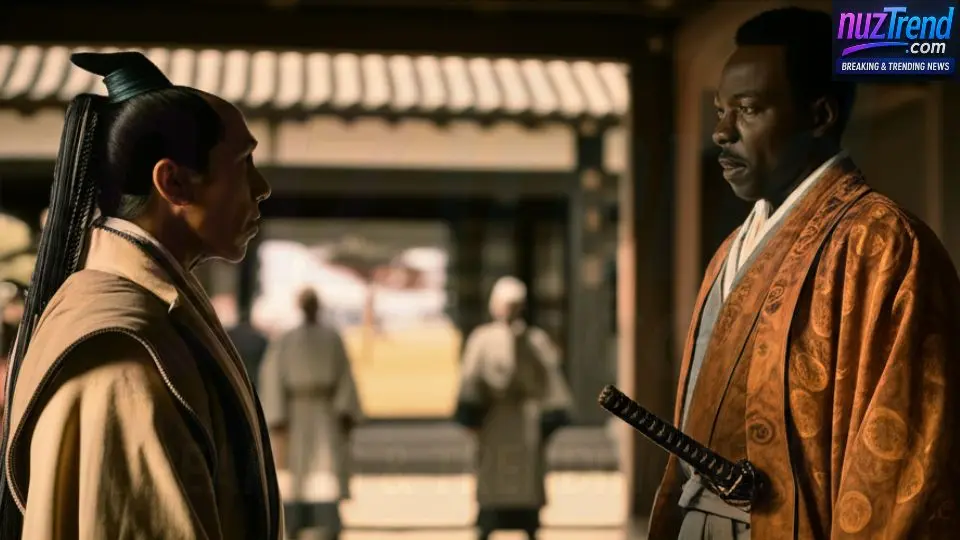
When Yasuke arrived, the Japanese had never seen a person of African descent. Historical records describe how his skin was so dark that people initially thought he had dyed his skin. His height, reportedly over 6 feet, and physical strength made a strong impression on the local daimyo (feudal lord) Oda Nobunaga, who was known for his progressive views and military ambitions.
Yasuke’s Rise to Samurai Status
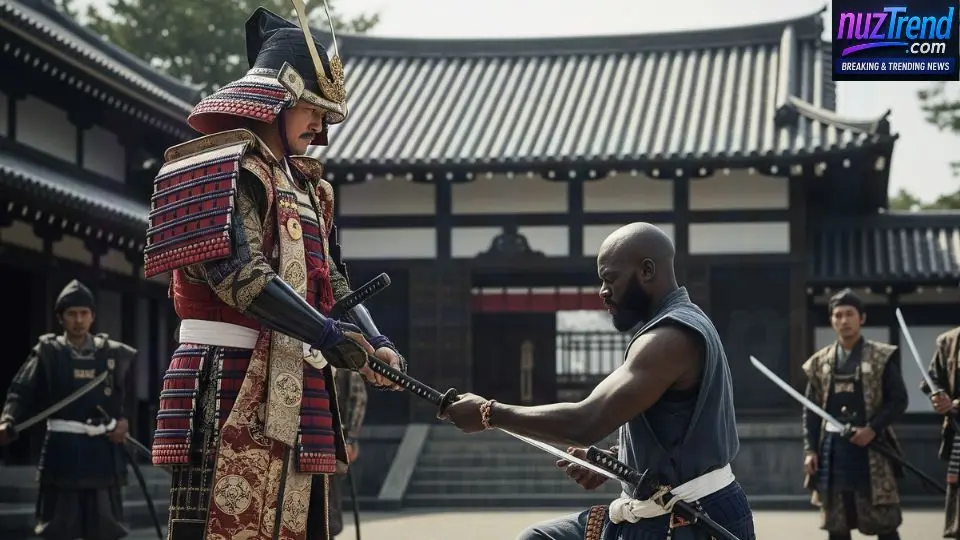
Oda Nobunaga was fascinated by Yasuke's presence and abilities. Recognizing his loyalty and valor, Nobunaga made Yasuke a samurai — a rare honor for a foreigner and almost unheard of for a Black man in Japan at that time. Yasuke was given a short sword, a symbol of his samurai status, and served as Nobunaga's personal retainer and warrior.
Military Involvement and Legacy
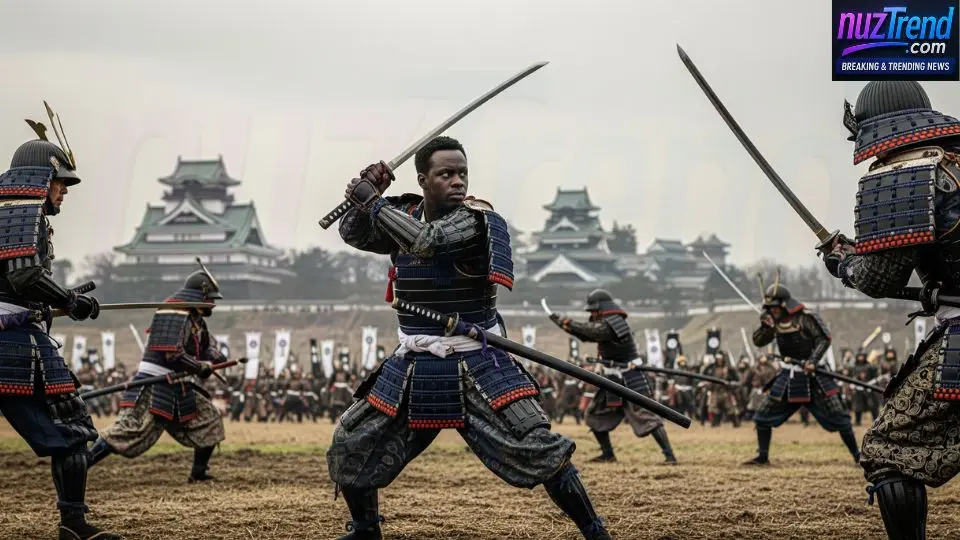
Yasuke fought alongside Nobunaga in several battles, showcasing not only his fighting skills but also earning the respect of other samurai. His presence challenged social norms and expanded the concept of what a samurai could be. However, after Nobunaga’s forced suicide in 1582 during the Incident at Honnō-ji, Yasuke's fate became unclear. Some records suggest he was spared and returned to the Jesuits, while others believe he disappeared into history.
The Cultural Impact of Yasuke’s Story
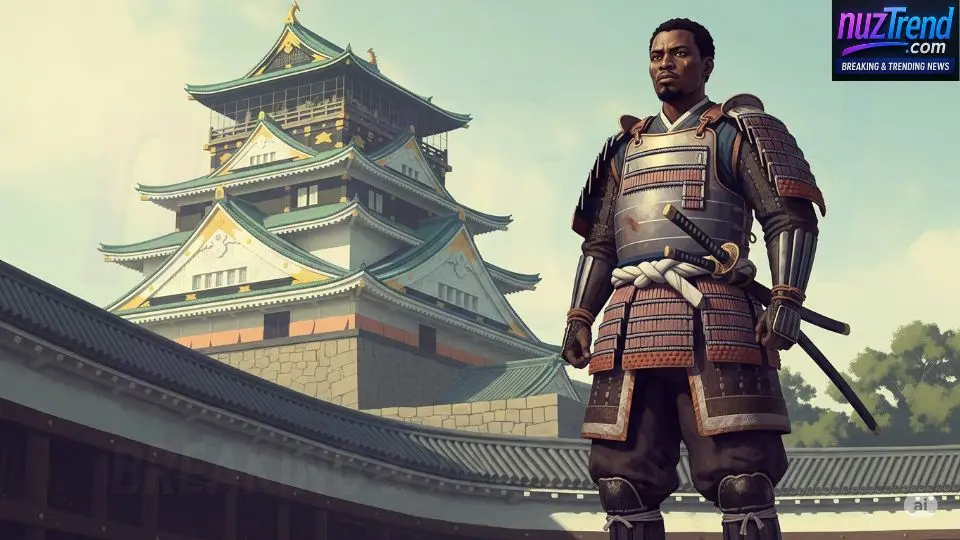
Yasuke's story has recently gained international attention, inspiring books, documentaries, and even anime. His legacy serves as a powerful symbol of cultural diversity and inclusion, illustrating that bravery and honor transcend race and nationality.
Yasuke in Modern Media
- Books exploring his life and times
- Documentaries detailing historical research
- Anime and films celebrating his legend
Conclusion
The tale of Yasuke, the Black Samurai, is an extraordinary chapter in Japanese history that breaks stereotypes and highlights a remarkable fusion of cultures during feudal times. His legacy continues to inspire those who believe in the power of courage, acceptance, and the breaking down of barriers.


💬 Leave a Comment
📝 Recent Comments
No comments yet! Be the first one to comment.
🔄 Read More

⬅ Previous: How Animals Communicate in Ways Humans Can’t Understand: Exploring Hidden Animal Languages
Date: 22-May-2025
Discover the fascinating ways animals communicate beyond human perception. Learn about the hidden languages of wildlife, from ultrasonic sounds to chemical signals, and how scientists are decoding these mysterious interactions.

Next: Why World Otter Day Matters in 2025: Protecting the Playful Guardians of Our Rivers ➡
Date: 28-May-2025
World Otter Day 2025, observed on May 28, highlights the urgent need to protect otters and their habitats. Discover how this global event drives awareness, conservation action, and education.