Sun. 22 Mar 2026
🌫️ 13°C in Columbus
Date: 28-jul-2025 | By: Nuztrend Team
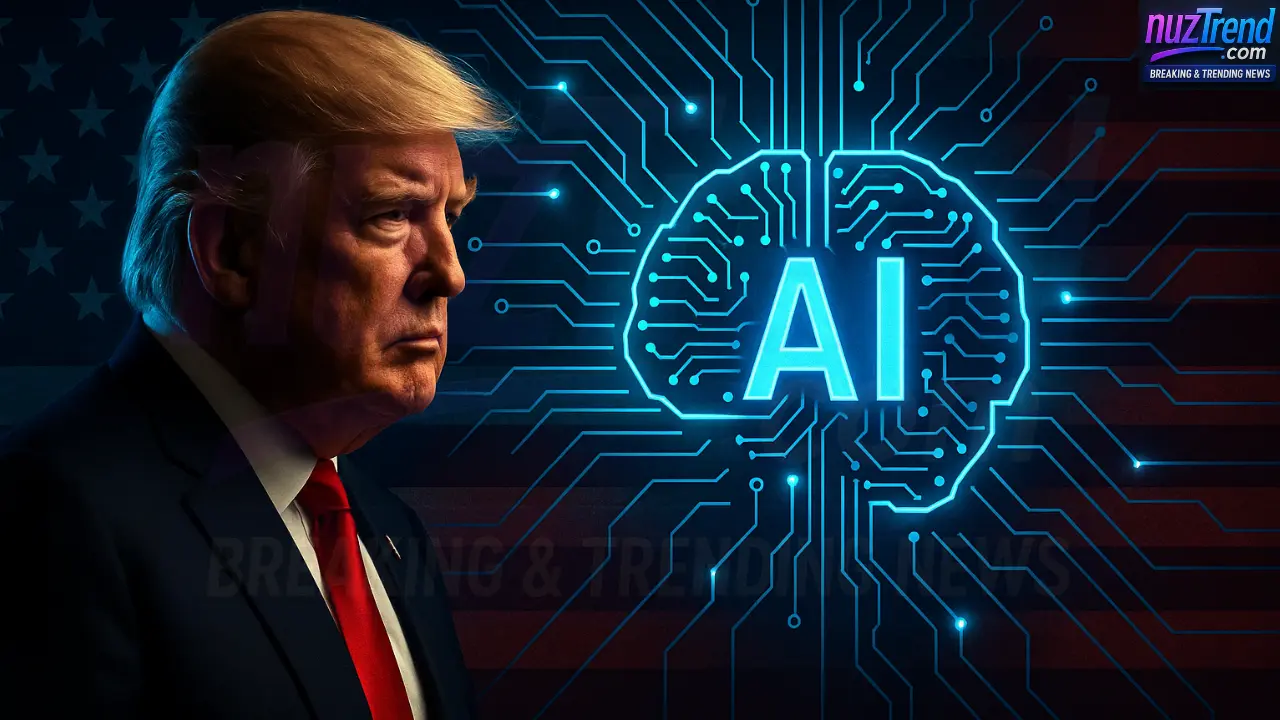
President Trump has unveiled a sweeping artificial intelligence initiative, emphasizing private sector innovation and massive investments. The strategy aims to position the United States as the global leader in AI, directly challenging China’s centralized and state-controlled approach.
“America will lead this new era of AI with freedom, creativity, and investment,” Trump said during a recent press conference. The plan includes billions of dollars in tax incentives and infrastructure support for startups and established tech giants alike.
While the administration touts its ‘freedom-based’ approach as a catalyst for growth, experts are voicing concerns about the lack of regulatory oversight. Analysts fear that overly relaxed policies could lead to ethical dilemmas, privacy violations, and unchecked monopolistic behavior in the AI sector.
“This AI race feels like a modern arms race — fast, unregulated, and potentially dangerous,” said a policy analyst at the Brookings Institution.
Observers have compared the U.S.–China AI rivalry to the Cold War space race, where technological supremacy was as much about national pride as it was about security. The current battle for AI dominance has similar undertones, with each country vying to shape the global rules of innovation and data control.
China has responded by accelerating its own AI investments and pushing for tighter international regulations to balance the influence of deregulated Western AI systems. European nations, meanwhile, are advocating for a “middle ground” — a blend of innovation and strong oversight.
The outcome of this AI race could reshape global technology standards for decades. The U.S. strategy, while bold, carries risks if safety and ethics take a backseat to rapid commercialization. Analysts warn that without a solid framework, the freedom-first approach could backfire, leading to public distrust and security issues.


No comments yet! Be the first one to comment.
Date: 18-Jul-2025
Intel has confirmed over 5,000 job cuts in the U.S. under new CEO Lip-Bu Tan’s aggressive cost-cutting strategy. This major move reflects growing pressure in the semiconductor sector.
Date: 29-Jul-2025
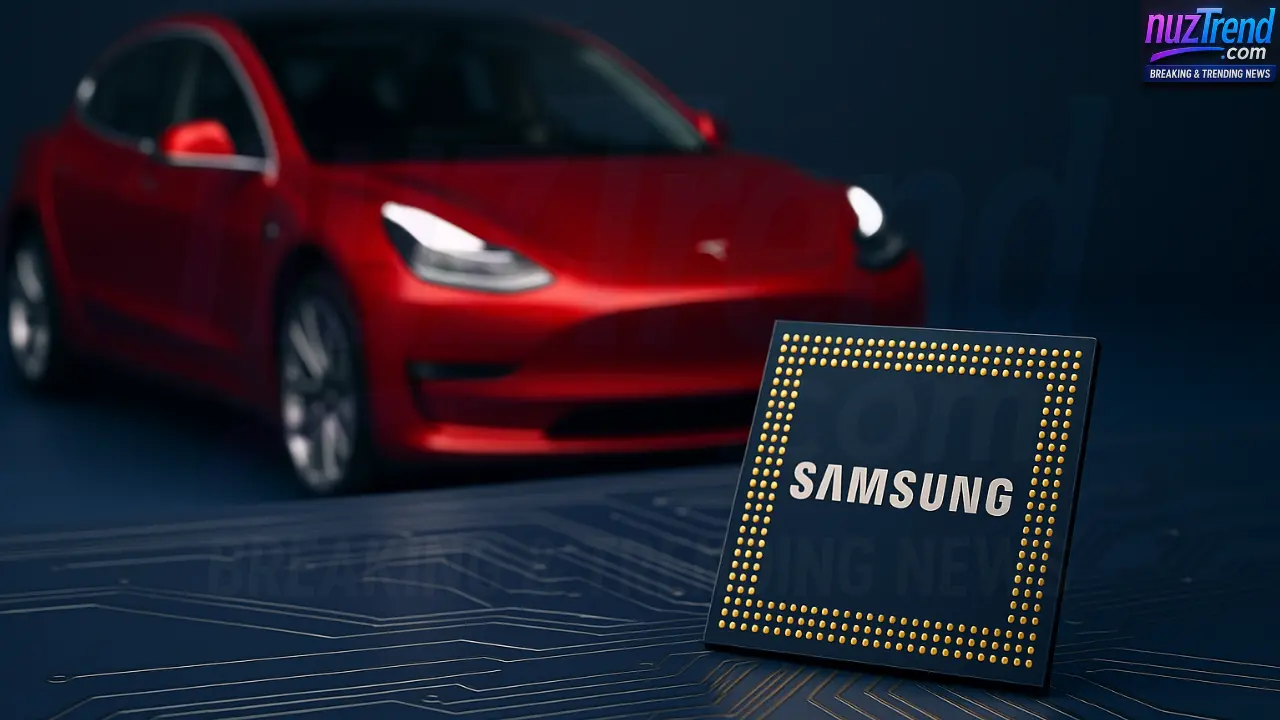
Samsung has secured a $16.5 billion chip-manufacturing deal with Tesla, strengthening its position in the global semiconductor market, while Intel faces setbacks and U.S.–EU trade reforms reshape the chip-making landscape.