Sun. 22 Mar 2026
☁️ 12°C in Columbus
Date: 29-jul-2025 | By: Nuztrend Team
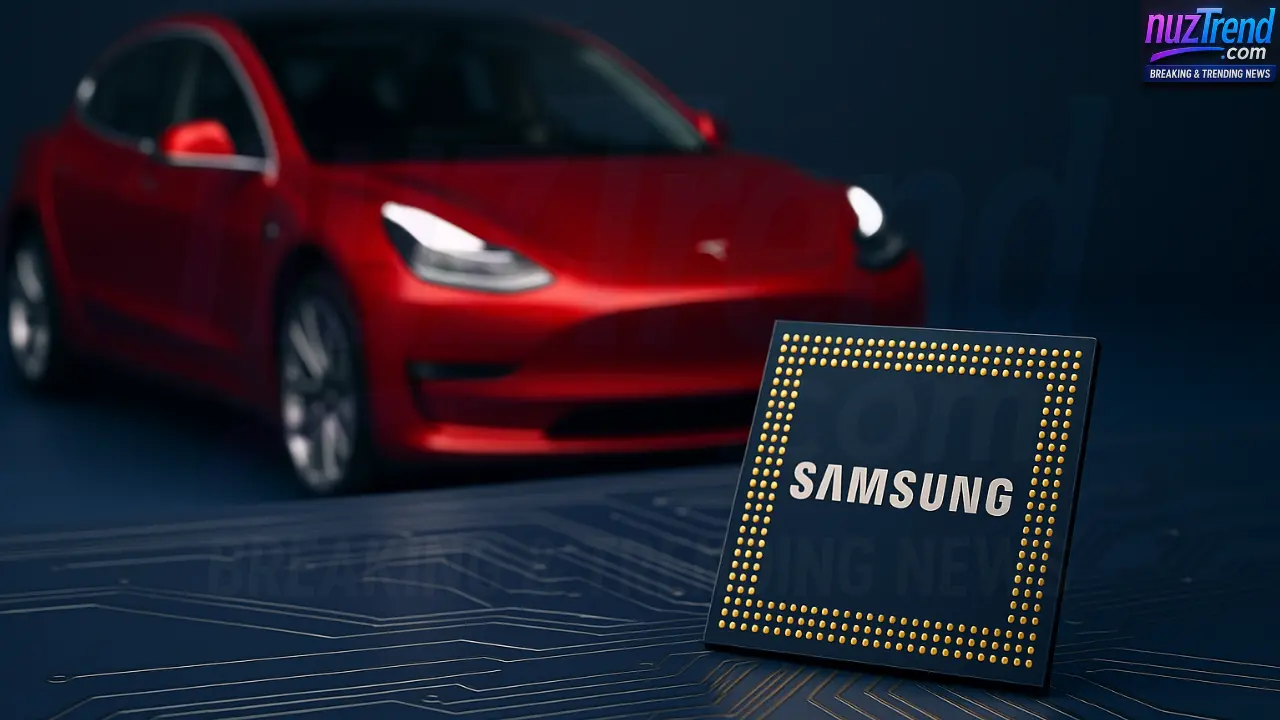
In a major move that could redefine the future of electric vehicles and advanced chip manufacturing, Samsung has finalized a $16.5 billion chip-manufacturing deal with Tesla. The collaboration is expected to enhance Tesla’s hardware performance while cementing Samsung’s ambitions to dominate the semiconductor foundry market.
The deal comes at a time when global demand for advanced chips is surging, driven by electric vehicles, artificial intelligence, and next-generation consumer electronics.
While Samsung is gaining ground, Intel shares have plummeted by more than 8 percent. This decline has triggered the company to reevaluate and potentially downscale its foundry investments. Analysts suggest that Intel’s slower adaptation to emerging chip technologies is putting it at a disadvantage compared to Asian manufacturers like Samsung and TSMC.
Competition between top semiconductor manufacturers is intensifying. With Tesla’s long-term production needs and Samsung’s advanced fabrication technologies, the partnership could reshape supply chains for electric vehicle makers worldwide.
In a parallel development, a new U.S.–EU trade agreement has been signed to enable tariff-free transfers of chip-making equipment. This policy is expected to benefit major suppliers such as ASML, ensuring faster and more cost-effective technology sharing across borders.
According to industry insiders, this agreement will not only strengthen Western alliances in semiconductor supply chains but also challenge the dominance of Asia-based chip hubs.
The convergence of strategic partnerships and international trade reforms is shaping a new semiconductor landscape. Samsung’s deal with Tesla, combined with favorable trade policies, signals a stronger push toward localized production, efficiency, and advanced research in chip-making technologies.


No comments yet! Be the first one to comment.
Date: 28-Jul-2025
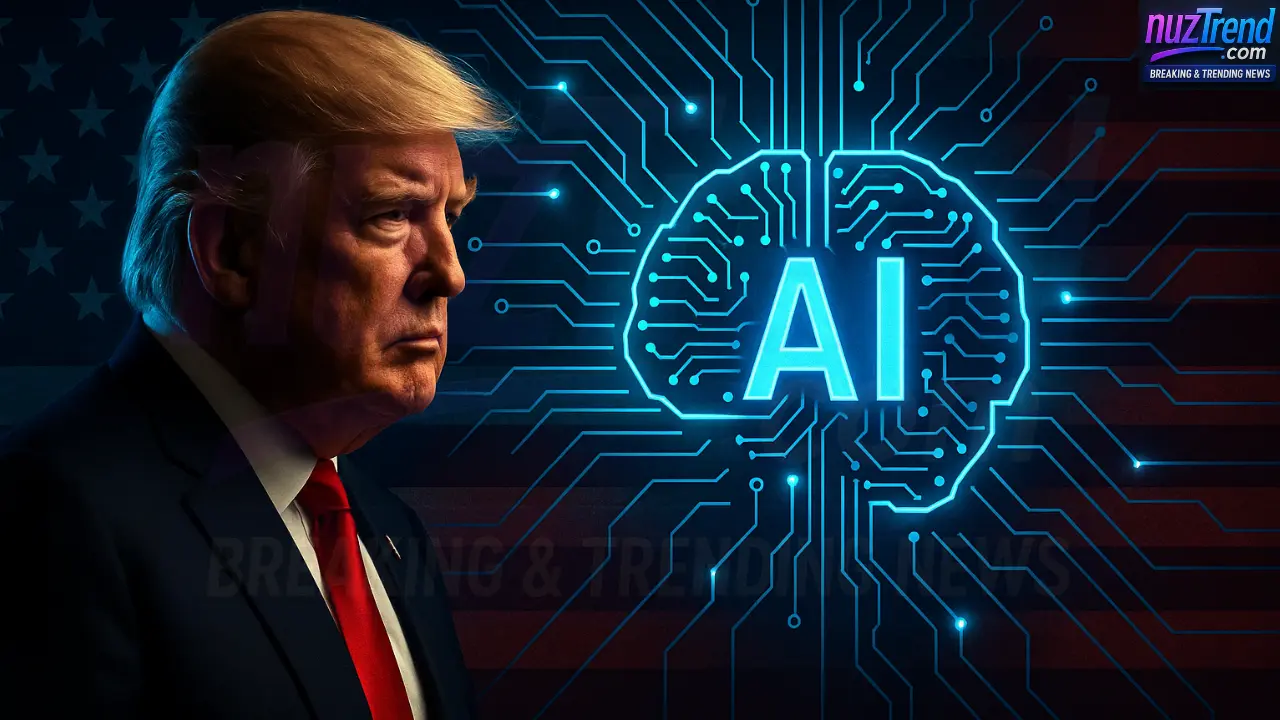
President Trump is driving an aggressive AI investment strategy, presenting it as a “freedom-based” alternative to China’s state-controlled model. Critics warn that deregulation may undermine long-term coherence and safety.
Date: 01-Aug-2025
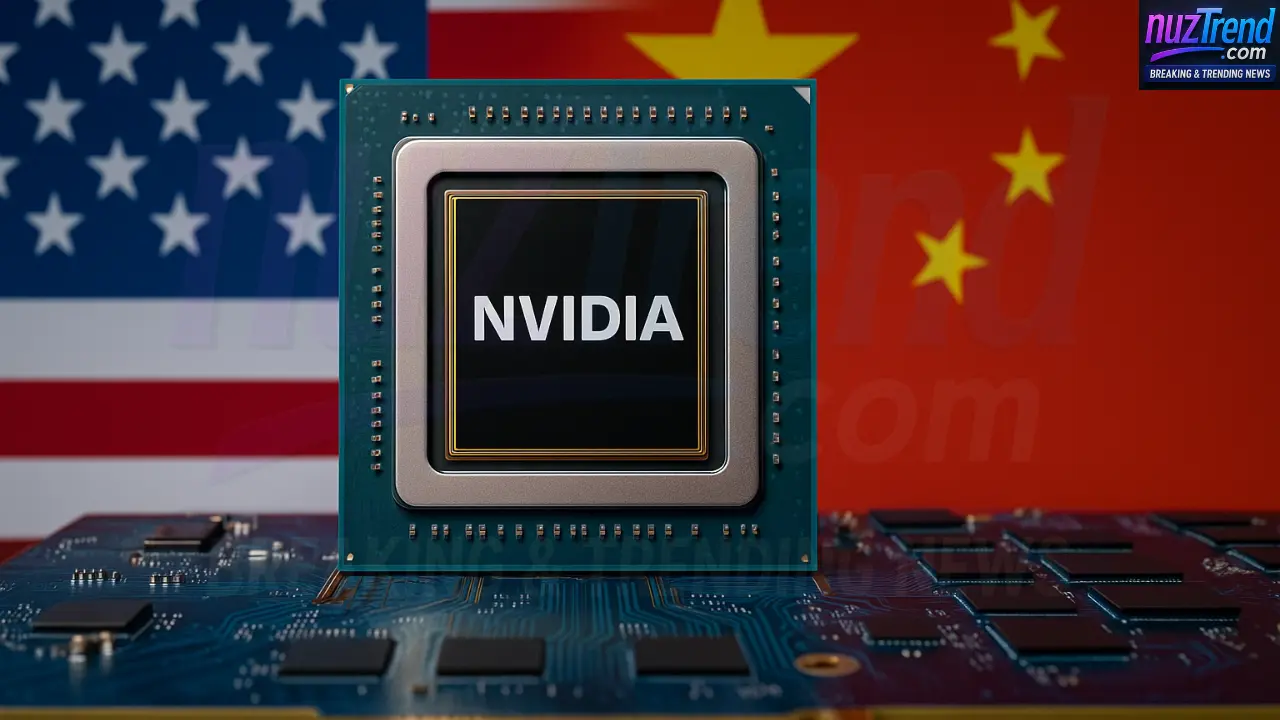
In a strategic reversal, the U.S. has authorized Nvidia to resume AI GPU exports to China, sparking intense debate over national security and America’s technological edge.