Sun. 22 Mar 2026
☁️ 14°C in Columbus
Date: 01-aug-2025 | By: Nuztrend Team
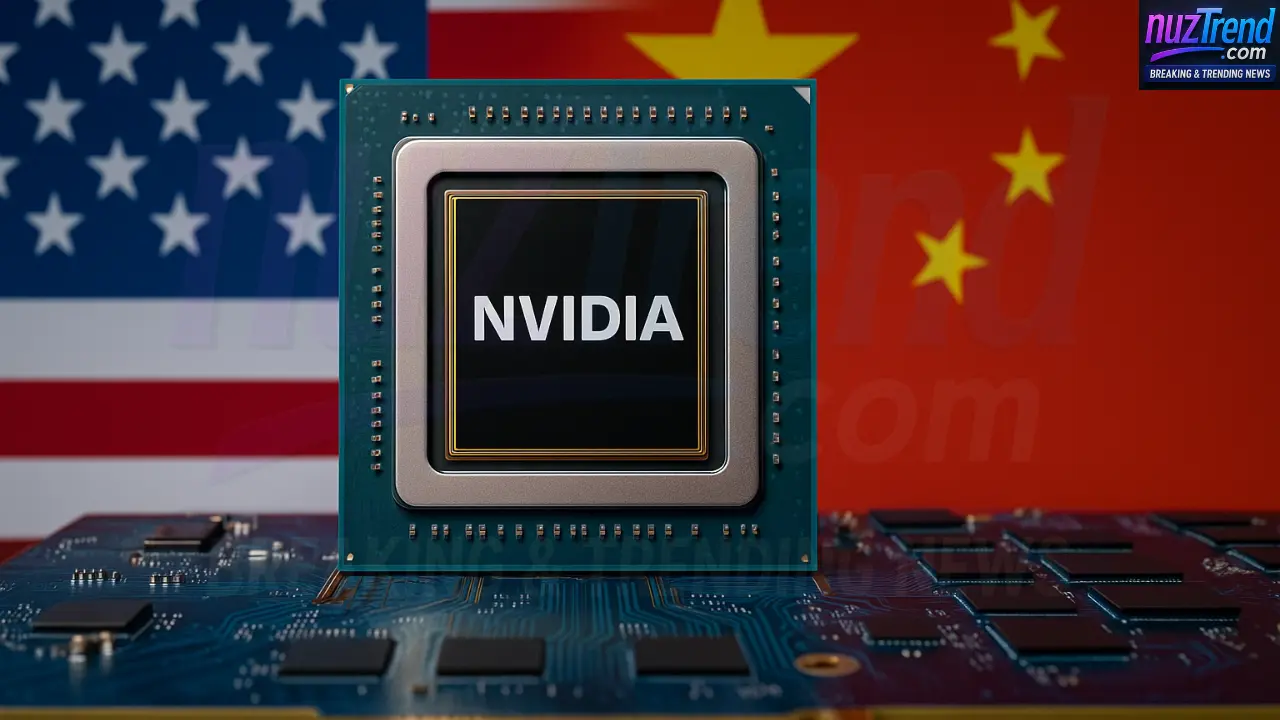
In a significant policy shift, the United States has officially reversed its ban on high-performance GPU exports to China, granting Nvidia permission to ship its H20 chips to Chinese customers. The decision, disclosed late Thursday, marks a pivotal development in the ongoing tug-of-war between innovation and national security concerns in the AI age.
The original ban, implemented under escalating U.S.–China tech tensions, aimed to limit China's access to advanced chips that could bolster military or surveillance capabilities. However, according to officials familiar with the matter, the Biden administration reconsidered the blanket restrictions after extensive lobbying from American chipmakers and ongoing diplomatic negotiations.
Nvidia’s H20 GPUs, a modified version designed to comply with earlier export controls, are now greenlit for sale in China. The move is expected to restore hundreds of millions in revenue for the company and may offer temporary relief to Chinese AI developers starved for advanced hardware.
While the decision may benefit American firms financially, it has reignited political controversy in Washington. Lawmakers on both sides of the aisle are voicing concerns over how this export clearance could undermine U.S. leverage in the global AI arms race.
China, meanwhile, has cautiously welcomed the move. State-backed tech media described it as “a pragmatic correction” but also warned that the country would continue investing in domestic alternatives to Western chips.
This export decision comes as both nations race to secure dominance in artificial intelligence, with chips like Nvidia’s H20 forming the backbone of data training models and generative AI systems. In the short term, Chinese firms may regain some momentum. But analysts suggest the U.S. still holds a crucial advantage due to its control over software frameworks and chip design IP.
Industry watchers say the return of U.S.-made GPUs to the Chinese market will:
However, this may just be a pause in an ongoing tech war—one that could escalate again with the next geopolitical flashpoint or legislative wave.
While the immediate effects may boost cross-border commerce, tech insiders remain cautious. The Biden administration has left the door open for new restrictions, especially if China is seen misusing the approved hardware.
In the meantime, Nvidia’s re-entry into China marks a rare moment of relief for the global chip market—and a telling indicator of how economic realities continue to shape national security decisions in the AI era.


No comments yet! Be the first one to comment.
Date: 29-Jul-2025
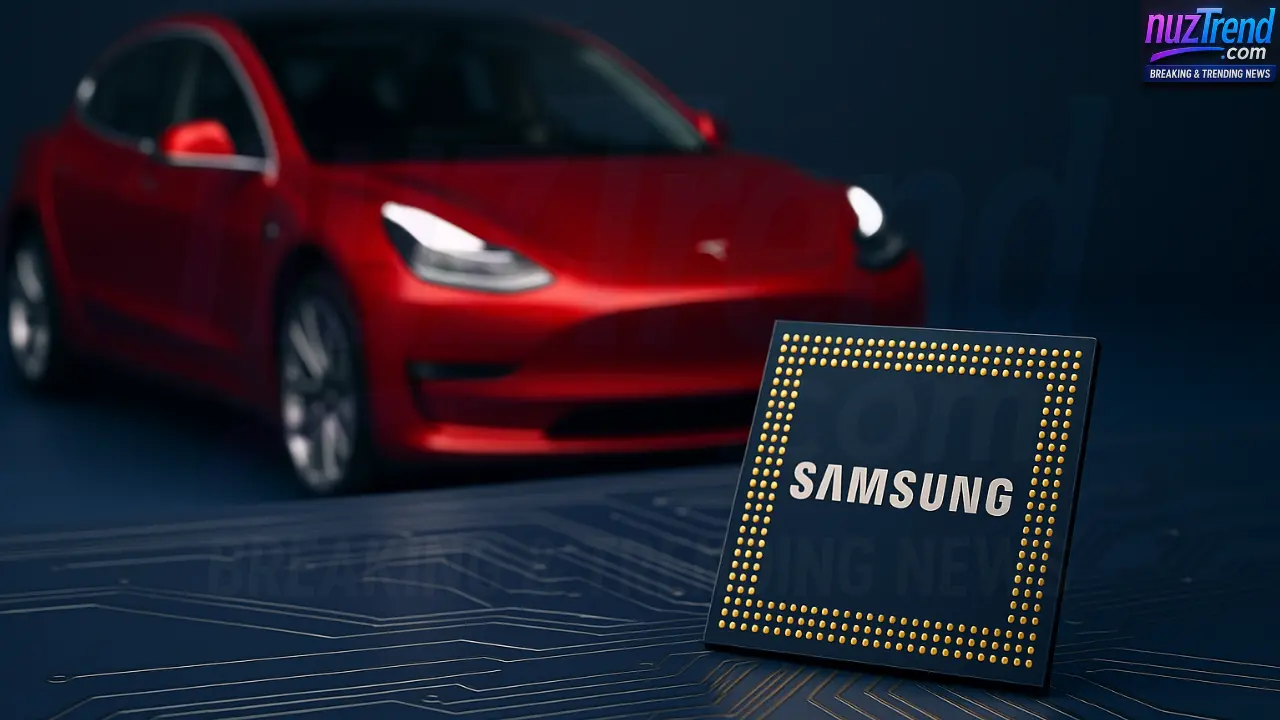
Samsung has secured a $16.5 billion chip-manufacturing deal with Tesla, strengthening its position in the global semiconductor market, while Intel faces setbacks and U.S.–EU trade reforms reshape the chip-making landscape.
Date: 12-Aug-2025
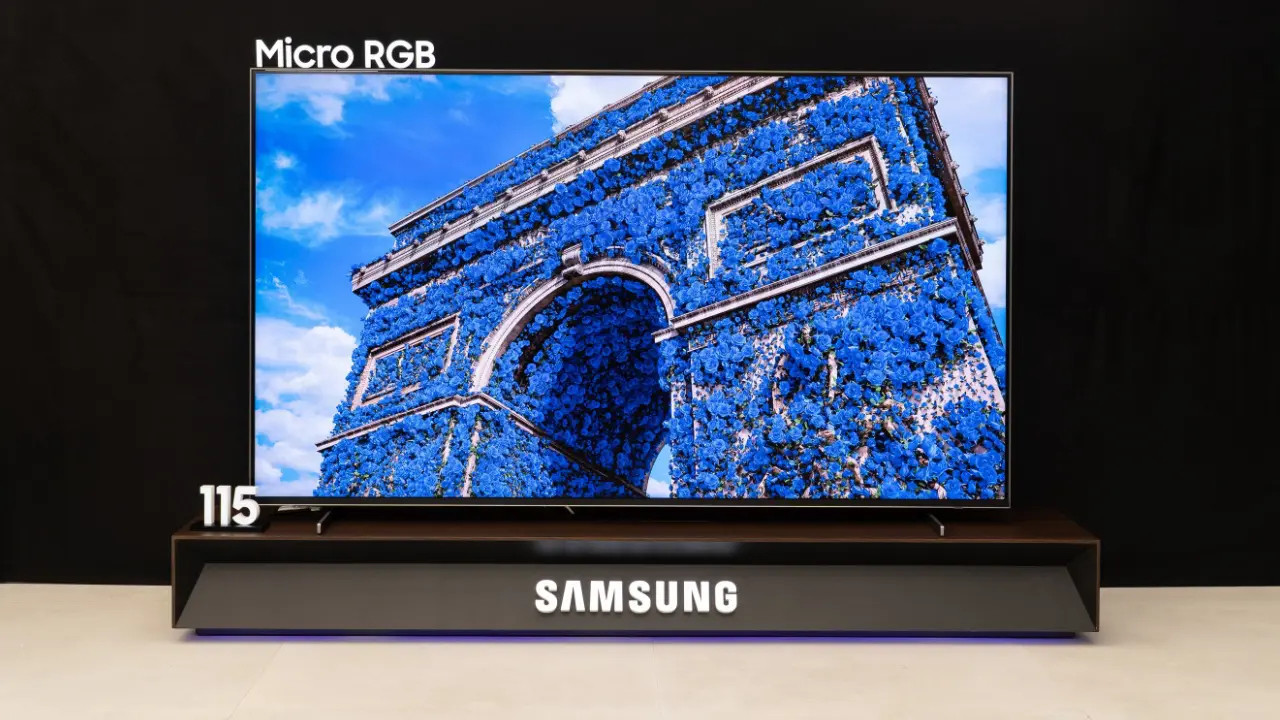
Samsung launches the world’s first Micro RGB display technology, revolutionizing premium TVs with microscopic LEDs for unmatched color accuracy, brightness, and durability.